
RGB+CCT LED lighting
- Home /
- Learning Center /
- RGB+CCT LED lighting
UniColor COB Series



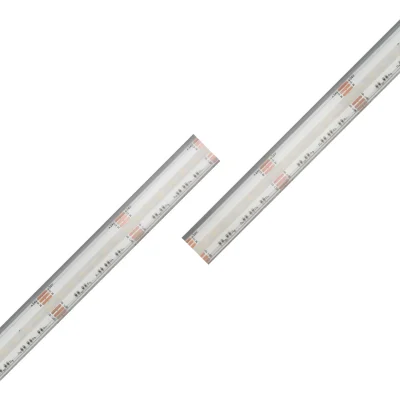

RGB+CCT LED Lighting: Professional Guide to Specification and Implementation
RGB+CCT LED lighting represents a significant evolution in dynamic lighting control, combining full-spectrum color-changing capabilities with independent tunable white functionality in a single integrated system. While color-changing RGB lighting and tunable white CCT systems have existed independently for years, RGB+CCT LED lighting merges both technologies, creating new possibilities for commercial and architectural applications. Yet this added complexity introduces specification challenges, control integration requirements, and technical considerations that professionals must navigate carefully. For architects, lighting designers, contractors, and project managers, understanding RGB+CCT LED lighting beyond product specifications is essential for delivering installations that provide the intended color range, achieve smooth transitions, integrate reliably with control systems, and justify their premium costs through meaningful functional advantages.
What Is RGB+CCT LED Lighting?
RGB+CCT LED lighting combines two distinct LED technologies within a single fixture or module: RGB (Red, Green, Blue) color-changing LEDs and CCT (Correlated Color Temperature) tunable white LEDs. This five-channel system provides independent control over saturated colors and white light quality, addressing limitations inherent in traditional RGB-only systems.
Traditional RGB LED systems create white light by mixing red, green, and blue at specific intensities. While this approach produces colored light effectively, RGB-generated white light exhibits several limitations including lower efficacy (typically 30-50 lumens per watt), poor color rendering (CRI often 60-75), inconsistent color temperature across dimming range, and reduced maximum brightness compared to dedicated white LEDs.
CCT tunable white systems use separate warm white (typically 2700K-3000K) and cool white (typically 5000K-6500K) LED channels. By independently controlling these channels, the system produces any color temperature within the range while maintaining high efficacy (100-130+ lumens per watt), excellent color rendering (CRI 80-95+), and consistent performance across dimming range.
RGB+CCT LED lighting integrates both technologies, typically using five LED channels: dedicated red LEDs, dedicated green LEDs, dedicated blue LEDs, warm white LED channel (2700K-3000K), and cool white LED channel (5000K-6500K). This architecture enables operational modes including high-quality tunable white using only the CCT channels (2700K-6500K or custom range), saturated colors using RGB channels for accent or decorative effects, pastel colors mixing RGB with white channels for subtle tints, and dynamic color-changing sequences or scenes.
The physical implementation varies by fixture type. LED strips may interleave RGB and white LED packages along the flexible circuit board. Downlights and track fixtures position RGB and white LED arrays within the same housing. All implementations require five-channel control capability addressing each LED type independently.
Why RGB+CCT LED Lighting Matters for Professional Projects
RGB+CCT LED lighting delivers capabilities that justify its complexity and cost premium in specific professional applications where both color flexibility and high-quality white light are required.
Operational flexibility represents the primary value proposition. A single RGB+CCT LED lighting installation serves multiple functions that would otherwise require separate systems. During normal operations, the system provides high-quality tunable white matching circadian rhythms or activity requirements. For special events or seasonal changes, the same fixtures create colored accent or decorative effects.
Consider a hotel ballroom requiring neutral white (4000K) for corporate meetings, warm white (2700K) for wedding receptions, and branded colors for themed events. A single RGB+CCT LED lighting system addresses all scenarios without compromising white light quality.
White light quality distinguishes RGB+CCT from RGB-only systems. The dedicated white LED channels provide efficacy, color rendering, and brightness matching conventional tunable white systems. When operating in white mode, RGB+CCT fixtures deliver the same performance as dedicated CCT systems.
This matters particularly in hospitality, retail, and workplace applications where white light quality directly impacts occupant comfort and task performance, but occasional color effects enhance brand experience or special programming.
Color saturation and range exceed what RGB-generated pastels can achieve. The dedicated RGB channels produce fully saturated colors impossible with white-light-only systems. Simultaneously, mixing RGB with white channels creates subtle pastel tints and colored whites unavailable from either RGB or CCT independently.
Integration with building and entertainment systems leverages the system’s full dynamic range. RGB+CCT LED lighting interfaces with building automation for scheduled color temperature adjustment, hospitality management systems for event-specific programming, entertainment control protocols (DMX, Art-Net), and daylight harvesting systems.
Applications and Use Cases for RGB+CCT LED Lighting
RGB+CCT LED lighting serves professional applications where both high-quality white light and color flexibility justify the additional system complexity and cost.
Hospitality environments represent the most compelling RGB+CCT LED lighting application. Hotels require adaptable lighting supporting diverse event types across ballrooms, meeting spaces, lobbies, restaurants and bars, and guest corridors. RGB+CCT systems provide neutral white for business functions, warm white for social events, branded colors reinforcing identity, and seasonal theming—all from integrated fixtures.
Retail flagship stores and experiential retail environments use RGB+CCT LED lighting for merchandise display requiring high CRI white, seasonal store theming with colored accents, window displays attracting attention, and brand events. The white channels ensure accurate merchandise color while RGB capability supports marketing programming.
Corporate environments including reception areas, conference centers, employee amenities, and branded spaces employ RGB+CCT LED lighting for corporate color expression, circadian tunable white supporting wellbeing, special event transformation, and brand experience reinforcement.
Museums and galleries with permanent and temporary exhibition spaces benefit from RGB+CCT LED lighting’s adaptability. Curators adjust white light color temperature matching exhibition periods while using colored light for emphasis or theatrical effects.
Educational institutions use RGB+CCT LED lighting in performance spaces, multipurpose rooms, commons areas, and feature architectural elements. The tunable white supports varied educational activities while color capability addresses performances and school spirit displays.
Healthcare environments increasingly specify RGB+CCT LED lighting for patient rooms supporting circadian rhythm with tunable white while providing calming color options and behavioral health facilities where color affects therapeutic environments.
Key Technical Considerations for RGB+CCT LED Lighting
Successful RGB+CCT LED lighting specification and implementation requires addressing technical factors beyond conventional lighting systems.
Channel architecture and driver requirements involve significantly more complex electrical design. RGB+CCT requires five independent channels with separate current control, drivers supporting five-channel output or multiple discrete drivers, sufficient wattage capacity for all channels at maximum simultaneous output, and thermal management for increased power density.
Many RGB+CCT installations underestimate driver requirements, discovering maximum white output drops significantly when RGB channels also draw power, or that intended color mixes exceed driver capacity.
Control protocols and integration determine system usability and functionality. RGB+CCT systems require controllers supporting five independent channels with color mixing algorithms, appropriate control protocols (DALI, DMX512, proprietary wireless), user interfaces enabling intuitive color and white light selection, and scene programming storing color combinations.
The control infrastructure often represents 30-50% of total RGB+CCT LED lighting system costs. Inadequate control specification creates capable fixtures with insufficient interface quality or programming flexibility.
Color mixing and calibration ensure consistent appearance across fixtures and installations. RGB+CCT color reproduction varies between fixtures based on LED binning variations, fixture-to-fixture color calibration, and aging effects changing color over time. Professional installations require initial calibration during commissioning, periodic recalibration maintaining consistency, and documentation of calibration settings.
Without proper calibration, RGB+CCT fixtures in the same space exhibit visible color mismatches undermining the system’s visual quality.
Thermal management becomes more complex with five LED channels generating heat simultaneously. RGB+CCT fixtures require heat sinks accommodating maximum combined thermal load from all channels, thermal design preventing channel-to-channel thermal interference, and monitoring preventing overtemperature conditions.
White light quality specifications ensure the system delivers acceptable performance in primary white light mode. Despite having dedicated white channels, RGB+CCT systems require explicit specifications including minimum efficacy in white mode (typically 100+ lumens per watt), color rendering index (CRI 80 minimum, 90+ for premium applications), color temperature range and binning tolerance, and dimming performance.
Power consumption and efficiency considerations affect operational costs. RGB+CCT LED lighting consumes more power than equivalent single-color systems due to additional LED channels and control electronics.
Common Mistakes in RGB+CCT LED Lighting Projects
Understanding frequent specification and implementation errors prevents disappointing project outcomes.
Inadequate needs assessment leads to specifying RGB+CCT where simpler, less expensive solutions suffice. If colored light serves only occasional decorative purposes, separate RGB accent fixtures may prove more economical. If white light quality is paramount with minimal color requirements, dedicated CCT systems deliver better white performance at lower cost.
Underestimating control system requirements creates capable fixtures without usable interfaces. RGB+CCT demands sophisticated control supporting color selection, scene programming, and user interfaces appropriate to operators’ technical capabilities.
Ignoring color calibration produces visibly inconsistent installations. Without calibration, RGB+CCT fixtures from different production lots exhibit color mismatches that undermine visual quality.
Insufficient thermal management limits system performance and longevity. RGB+CCT thermal loads exceed single-channel systems, particularly when multiple channels operate simultaneously.
Poor integration planning creates isolated RGB+CCT systems unable to realize their potential. RGB+CCT value increases through integration with building automation, event scheduling, or entertainment systems.
Selecting RGB+CCT LED Lighting for Professional Projects
Systematic evaluation ensures RGB+CCT LED lighting appropriately addresses project requirements.
Define functional requirements explicitly including white light specifications (color temperature range, CRI, efficacy), RGB capabilities (color gamut, saturation, effects), operational modes, control requirements, and dimming performance specifications.
Evaluate if RGB+CCT is appropriate by confirming the need for both high-quality white light AND regular color-changing functionality.
Assess control system needs comprehensively including user technical sophistication, programming requirements, integration needs, and interfaces.
Budget for the complete system including fixtures, controllers, user interfaces, commissioning and calibration, training, and documentation.
Verify technical specifications including driver capacity for all channels simultaneously, thermal performance at maximum combined output, color calibration capabilities, and lumen maintenance and warranty terms.
Request demonstrations and mockups showing actual color mixing and white light quality, control system interface and usability, calibration procedures, and dimming performance.
Plan commissioning and support including calibration procedures, operator training program, documentation of settings, and ongoing technical support arrangements.
Conclusion
RGB+CCT LED lighting represents a sophisticated technology merging color-changing and tunable white capabilities within integrated systems. When properly specified for applications genuinely benefiting from both capabilities—hospitality, high-end retail, corporate experience spaces, and adaptable venues—RGB+CCT delivers operational flexibility and lighting quality justifying its complexity and premium costs.
However, RGB+CCT success demands comprehensive specification addressing white light quality, color performance, thermal management, control system sophistication, and calibration requirements. Projects must honestly assess whether dual functionality justifies additional complexity, allocate sufficient resources to control systems and commissioning, plan proper thermal design and driver capacity, and implement calibration maintaining color consistency.
When RGB+CCT LED lighting serves genuine operational requirements with appropriate technical specification and implementation, it provides unmatched flexibility transforming spaces through lighting. When specified without clear use cases or adequate technical rigor, it delivers expensive complexity without proportional value. The distinction lies entirely in matching technology capabilities to actual project needs through systematic specification and professional implementation.