
LED driver dimmer
- Home /
- Learning Center /
- LED driver dimmer
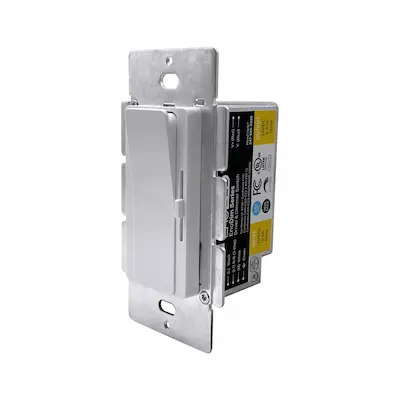
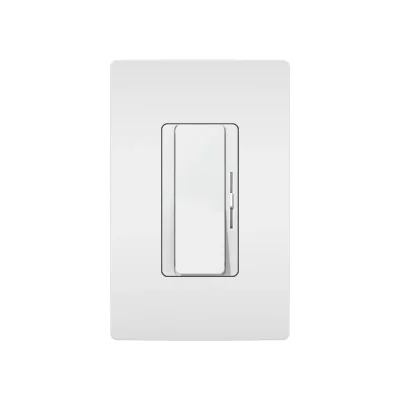
EnoDim – Driver & Dimmer Switch Series
LED Driver Dimmer: The Complete Guide to Dimmable LED Lighting Systems
Dimming capability transforms LED lighting from purely functional illumination into a versatile tool for creating ambiance, saving energy, and enhancing comfort. However, achieving smooth, flicker-free LED dimming requires understanding the relationship between LED drivers and dimmers. Unlike traditional incandescent bulbs that dim easily with any standard dimmer, LED systems require specifically designed LED driver dimmer combinations to function properly. This comprehensive guide explains everything you need to know about LED driver dimmers to create the perfect lighting environment.
Understanding LED Driver Dimmers
An LED driver dimmer system consists of two critical components working together: the LED driver that regulates power to the LEDs, and the dimmer that controls the driver’s output level. Both components must be compatible and designed to work together for successful dimming.
Traditional incandescent bulbs dim simply by reducing voltage, which decreases the filament temperature and light output. LEDs don’t work this way. They require precise current regulation regardless of brightness level, making the dimming process more complex. The LED driver must be specifically designed to accept dimming signals and adjust its output accordingly while maintaining stable current to the LEDs.
When properly matched, LED driver dimmer combinations provide smooth brightness adjustment from full output down to very low levels, often as low as 1-5% of maximum brightness. However, incompatible combinations result in frustrating problems including flickering, buzzing, limited dimming range, or complete failure to dim
Types of LED Dimming Technologies
Phase-Cut Dimming (TRIAC): Phase-cut dimming is the most common residential dimming method because it works with standard household wiring without additional control wires. This technology literally “cuts” portions of the AC waveform to reduce power delivery. Trailing-edge dimmers generally perform better with LED loads, producing less buzzing and smoother dimming at low levels. Phase-cut dimming works well for residential applications but has limitations including potential electromagnetic interference.
0-10V Dimming: The 0-10V dimming protocol uses a separate low-voltage control wire to communicate dimming levels. A 10V signal means full brightness, while 0V means minimum brightness (typically 10% rather than completely off). This method provides smooth, reliable dimming and is common in commercial applications. It requires running an additional control wire alongside power wiring.
PWM (Pulse Width Modulation) Dimming: PWM dimming rapidly switches LEDs on and off at frequencies too fast for human eyes to detect. By varying the ratio of on-time to off-time, perceived brightness changes. PWM offers excellent color consistency across dimming levels and precise control, making it popular for RGB color-changing systems.
DALI (Digital Addressable Lighting Interface): DALI is an advanced digital protocol allowing individual control of multiple fixtures on the same circuit. It’s common in commercial and architectural lighting where sophisticated control is essential. DALI systems can control, monitor, and program individual fixtures, create lighting scenes, and integrate with building management systems.
DMX (Digital Multiplex): DMX is the professional standard for entertainment and stage lighting, controlling up to 512 channels per universe. It offers precise control and synchronization of multiple fixtures, making it essential for architectural lighting and applications requiring coordinated lighting effects
Choosing Compatible LED Drivers and Dimmers
Compatibility between your LED driver and dimmer is absolutely critical for proper function.
Verify Dimming Capability: Not all LED drivers support dimming. Non-dimmable drivers will not respond to dimmer signals and may be damaged if connected to dimmers. Always verify that your LED driver explicitly states dimming capability and specifies which dimming protocols it supports.
Match Dimming Protocols: Your dimmer and driver must use the same dimming protocol. A phase-cut dimmer won’t work with a 0-10V driver. Check specifications carefully to ensure protocol compatibility.
Check Load Requirements: Dimmers have minimum and maximum load requirements. If your LED load is too small, the dimmer may not function properly, causing flickering or failure to dim. Calculate your total LED wattage and select a dimmer rated appropriately, typically with 20% overhead capacity.
Consult Compatibility Lists: Reputable dimmer manufacturers publish compatibility lists showing which LED drivers work reliably with their dimmers. Similarly, LED driver manufacturers often list compatible dimmers. Consulting these resources before purchasing prevents costly compatibility problems
Installation Considerations
For phase-cut dimming, standard two-wire installation connects the dimmer in series with the hot wire leading to your LED driver. For 0-10V systems, you’ll run both power wiring and separate low-voltage control wiring. The control wiring connects from the dimmer’s control terminals to the driver’s dimming input terminals.
When controlling multiple LED drivers from a single dimmer, ensure the total load remains within the dimmer’s capacity. For 0-10V systems, verify that the number of drivers doesn’t exceed the dimmer’s fan-out capability.
Install dimmers in accessible locations for convenient control. Consider smart dimmers offering remote control via smartphone apps, voice assistants, or integration with home automation systems for enhanced convenience
Troubleshooting Common LED Dimming Problems
Flickering at Low Levels: Flickering at low brightness often indicates incompatibility between the dimmer and driver, or the LED load is below the dimmer’s minimum requirement. Try adjusting the dimmer’s minimum brightness setting if available. If flickering persists, you may need a different dimmer model or additional LED load.
Limited Dimming Range: If lights won’t dim below 30-40%, the dimmer may not be designed for the low loads that LEDs present. LED-specific dimmers handle the low wattage better than older dimmers designed for incandescent loads. For 0-10V systems, verify the control signal reaches 0V for maximum dimming.
Buzzing or Humming: Audible noise from dimmers or drivers usually results from vibrating internal components. This is more common with phase-cut dimming, especially leading-edge dimmers. Switching to trailing-edge dimmers often eliminates buzzing. Higher-quality drivers with better component selection minimize vibration.
Complete Failure to Dim: If lights work at full brightness but don’t respond to dimmer adjustment, verify that both the driver and dimmer support the same dimming protocol. Check all wiring connections, especially control wiring for 0-10V systems
Benefits of Dimmable LED Systems
Energy Savings: Dimming LEDs to 50% brightness typically saves 40-50% energy. In commercial settings with extensive LED installations, dimming can substantially reduce electricity costs.
Extended LED Lifespan: Operating LEDs at reduced brightness lowers operating temperature and electrical stress, significantly extending lifespan. LEDs dimmed to 50% can last twice as long as those run at full brightness continuously.
Improved Comfort and Ambiance: Adjustable lighting enhances comfort throughout the day. Bright light energizes during morning hours, while dimmed lighting creates relaxing atmospheres for evening entertainment or dining.
Reduced Eye Strain: Excessive brightness causes eye fatigue, especially during evening hours. Dimming capability allows users to adjust lighting to comfortable levels, reducing strain during extended computer work or reading.
Circadian Rhythm Support: Combined with tunable white technology, dimming supports healthy circadian rhythms by mimicking natural daylight patterns
Smart LED Dimming Solutions
Smart dimmers connect to home WiFi networks, allowing control via smartphone apps from anywhere. Voice control through Amazon Alexa, Google Assistant, or Apple HomeKit enables hands-free operation. Schedule lighting to turn on, off, or dim automatically based on time of day. Integration with other smart home devices enables sophisticated automation—lights can dim automatically when starting a movie or adjust based on natural daylight levels.
Energy monitoring features track electricity consumption, providing insights into usage and potential savings
Selecting the Right LED Driver Dimmer
Residential Applications: Homes typically use phase-cut dimming with LED-compatible TRIAC dimmers. Look for dimmers with adjustable minimum brightness settings and smooth operation across the full dimming range. Smart dimmers add convenience through smartphone control and voice commands.
Commercial and Office Environments: Commercial installations often use 0-10V or DALI dimming for reliability and the ability to control large numbers of fixtures. Integration with daylight harvesting systems and occupancy sensors maximizes energy savings.
Hospitality and Retail: Restaurants, hotels, and retail spaces require precise dimming control to create appropriate atmospheres. DALI or DMX systems provide the flexibility to create and recall lighting scenes instantly.
Entertainment and Architectural Lighting: Stage lighting and architectural accent lighting typically use DMX control for precise synchronization. RGB and RGBW LED systems with DMX control create virtually unlimited color and intensity combinations
Frequently Asked Questions
What’s the difference between a dimmable and non-dimmable LED driver? Dimmable LED drivers include circuitry designed to accept dimming signals and adjust output accordingly while maintaining stable current to LEDs. Non-dimmable drivers operate at fixed output and may be damaged or malfunction if connected to dimmers.
Can I use any dimmer with dimmable LED drivers? No, the dimmer must be compatible with your specific LED driver’s dimming protocol. Phase-cut dimmers don’t work with 0-10V drivers, and vice versa. Always verify compatibility before purchasing.
Why do my LED lights flicker when dimmed? Flickering usually indicates incompatibility between the dimmer and driver, LED load below the dimmer’s minimum requirement, or poor-quality components. Try adjusting dimmer settings or replacing with compatible components.
What is 0-10V dimming? 0-10V dimming uses a separate low-voltage control wire where 10V signals full brightness and 0V signals minimum brightness. It provides smooth, reliable dimming and is common in commercial applications.
Can I dim LED strip lights? Yes, but you need a dimmable LED driver and compatible dimmer. Many LED strip installations use PWM dimmers or 0-10V dimming for smooth control. Verify your driver supports dimming before purchasing a dimmer.
How low can LED lights dim? Quality LED driver dimmer combinations can dim to 1-5% of maximum brightness. However, actual minimum brightness depends on the specific driver, dimmer, and LED compatibility. Most systems achieve at least 10% dimming.
Do dimmable LED drivers cost more than non-dimmable? Yes, dimmable drivers typically cost 20-50% more than equivalent non-dimmable models due to additional circuitry. However, the added functionality and energy savings justify the investment for most applications.
Can I retrofit existing lighting with dimmable LED systems? Yes, replacing existing drivers with dimmable versions and installing compatible dimmers enables dimming in most installations. For phase-cut dimming, no additional wiring is needed. 0-10V and DALI require control wire installation
Summary
LED driver dimmer systems provide essential control over LED lighting, enabling energy savings, extended lifespan, and enhanced ambiance. Understanding the relationship between LED drivers and dimmers is critical for successful implementation.
Several dimming technologies exist including phase-cut, 0-10V, PWM, DALI, and DMX, each suited to different applications. Compatibility between your LED driver and dimmer is absolutely essential—mismatched components cause flickering, buzzing, limited dimming range, or complete failure.
Proper installation following manufacturer guidelines ensures optimal performance. Common problems like flickering and limited dimming range usually stem from compatibility issues or incorrect settings. Most issues can be resolved through component replacement or adjustment.
The benefits of dimmable LED systems extend beyond convenience to include significant energy savings, extended LED lifespan, improved comfort, and support for healthy circadian rhythms. Modern smart dimming solutions add convenience through smartphone control, voice commands, and automation
Customer Testimonials