
Phase cut LED dimming
- Home /
- Learning Center /
- Phase cut LED dimming
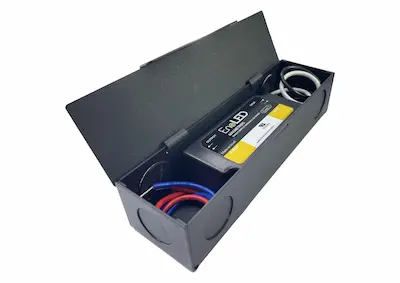
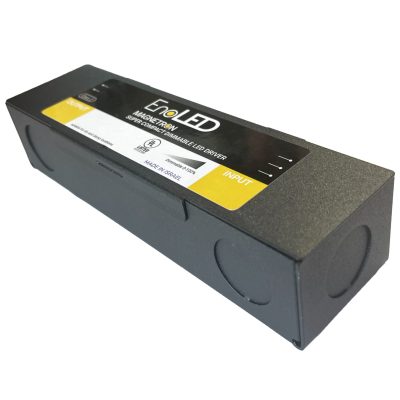
Phase Cut LED Dimming: Professional Guide to Specification and Implementation
Phase cut LED dimming remains the most common dimming approach in residential and light commercial applications due to its compatibility with existing two-wire electrical infrastructure, yet this familiarity masks significant technical complexities that frequently create performance issues in professional installations. While phase cut LED dimming enables retrofit projects without additional control wiring, achieving reliable performance requires understanding the interaction between dimmer electronics, LED driver design, and electrical load characteristics—interactions that often result in flickering, limited dimming range, audible noise, or complete incompatibility. For architects, lighting designers, contractors, and project managers, understanding phase cut LED dimming beyond marketing claims is essential for determining when this approach is appropriate, specifying compatible components, and avoiding compatibility issues.
What Is Phase Cut LED Dimming?
Phase cut LED dimming operates by literally “cutting” portions of the AC sine wave supplied to LED drivers, with the remaining waveform portion signaling the desired brightness level to the driver. This differs fundamentally from analog protocols like 0-10V that use separate control wiring, making phase cut LED dimming attractive for retrofit applications where existing two-wire electrical infrastructure must accommodate both power delivery and control signaling.
The technology exists in two distinct variants with different electrical characteristics. Leading-edge (forward phase) dimming cuts the beginning of each AC half-cycle, originally developed for resistive loads like incandescent lamps using TRIAC switches. This approach dominated residential dimming for decades due to simplicity and low cost.
Trailing-edge (reverse phase) dimming cuts the end of each AC half-cycle using more sophisticated MOSFET or IGBT transistor switches. This approach was developed specifically for electronic loads including LED drivers, addressing compatibility issues inherent in applying leading-edge technology to non-resistive loads.
The phase cut LED dimming system comprises several components. The phase cut dimmer intercepts line voltage and switches portions of the AC waveform on or off at precise timing corresponding to desired brightness. The dimmable LED driver must interpret the chopped AC waveform, extract dimming intent, regulate LED current accordingly, and maintain stable operation despite highly distorted input power.
This dimmer-driver interaction creates the primary source of phase cut LED dimming compatibility challenges. Unlike incandescent lamps that respond predictably to reduced power, LED drivers contain sophisticated electronics that may respond inconsistently to phase-cut waveforms depending on driver design, dimmer electronics, and total electrical load.
Why Phase Cut LED Dimming Matters for Professional Projects
hase cut LED dimming serves specific professional applications where its characteristics provide advantages despite inherent complexity and compatibility challenges.
Retrofit project compatibility represents the primary advantage. Existing buildings with two-wire electrical infrastructure to existing dimmers or switches can upgrade to LED lighting while retaining dimming capability without rewiring. This eliminates control wiring installation costs required for 0-10V or DALI systems, reduces project disruption in occupied spaces, maintains familiar wall dimmer locations, and enables phased lighting upgrades.
For renovation projects in historic buildings, high-end residential, or occupied commercial spaces, the ability to achieve dimming without opening walls and running new control wiring can determine project feasibility and budget viability.
Residential and light commercial project economics favor phase cut LED dimming where project budgets cannot justify advanced control wiring infrastructure. High-end residential projects, boutique retail and hospitality, small office installations, and residential-scale applications all benefit from familiar dimmer operation and eliminated control wiring costs.
Familiar operation and aesthetics matter in environments where occupants expect standard dimmer switches. Residential clients, hospitality guests, and small business occupants understand traditional dimmer operation without training. Wall-mounted phase cut dimmers match conventional switch aesthetics and provide intuitive tactile control.
Applications and Use Cases for Phase Cut LED Dimming
Phase cut LED dimming serves professional applications where retrofit constraints, budget limitations, or occupant expectations align with its capabilities.
High-end residential projects represent the primary professional application. Custom homes, luxury apartments, and residential renovations employ phase cut LED dimming for living spaces, bedrooms, dining areas, and home theaters. These applications prioritize familiar dimmer operation, acceptable performance in small fixture groups, and cost-effective implementation.
Residential specifications must address compatibility explicitly, as generic “LED-compatible” claims frequently prove inadequate.
Boutique hospitality installations including boutique hotels, bed-and-breakfasts, small restaurants and bars, and specialty retail employ phase cut LED dimming where intimate scale and residential aesthetics suit the technology’s characteristics. Small fixture counts per dimmer circuit and emphasis on atmosphere control align well with phase cut LED dimming capabilities when properly specified.
Historic building renovations and adaptive reuse projects leverage phase cut LED dimming’s two-wire compatibility when preservation requirements, physical constraints, or budget limitations preclude comprehensive rewiring. These projects balance lighting performance against preservation priorities and construction costs.
Light commercial office renovations, particularly in smaller spaces or buildings with limited electrical infrastructure, may specify phase cut LED dimming for conference rooms, private offices, and common areas where fixture counts per circuit remain moderate.
Key Technical Considerations for Phase Cut LED Dimming
Successful phase cut LED dimming specification requires addressing compatibility, load, and performance factors.
Leading-edge versus trailing-edge selection significantly affects compatibility. Leading-edge (TRIAC) phase cut LED dimming typically costs less and suits higher-wattage loads. However, it often exhibits compatibility challenges including increased electromagnetic interference, audible buzzing, and limited low-end dimming range.
Trailing-edge (reverse phase) dimming generally provides superior LED compatibility, produces less electromagnetic interference, operates more quietly, and often achieves deeper dimming. Professional specifications should default to trailing-edge phase cut LED dimming unless specific circumstances justify leading-edge selection.
Load requirements critically affect phase cut LED dimming performance. Phase cut dimmers specify minimum and maximum load ratings. If total LED load falls below minimum (typically 25-60W), the dimmer may not operate properly, causing flickering or failure to dim. If load exceeds maximum (typically 150-600W), the dimmer overheats.
LED loads present particular challenges because LED wattage is much lower than incandescent loads for which most dimmers were designed. Professional specifications must calculate total LED wattage per dimmer circuit and verify it falls within dimmer ratings with appropriate margin.
Driver compatibility verification represents the single most important phase cut LED dimming specification requirement. “Dimmable” LED drivers and “LED-compatible” dimmers do not universally work together. Compatibility depends on specific driver electronics, dimmer design, total load, and wiring characteristics. Manufacturers publish compatibility matrices showing tested combinations. Professional specifications must reference verified compatible driver-dimmer pairings or require pre-installation testing.
Dimming performance expectations require realistic specification. Minimum achievable brightness typically ranges from 10-30% of maximum output—rarely achieving the 1-5% possible with 0-10V or DALI systems. Dimming smoothness may exhibit slight stepping rather than perfectly linear response. Color temperature shift may occur at very low brightness levels.
Wiring considerations affect phase cut LED dimming reliability. Wiring length from dimmer to fixtures, wire gauge, connection quality, and fixture arrangement all influence performance. Mixing fixture types or drivers on single dimmer circuits often causes compatibility problems.
Common Mistakes in Phase Cut LED Dimming Projects
Understanding frequent specification and implementation errors enables proactive prevention.
Assuming universal compatibility represents the most common error. Specifying “dimmable LED drivers” and “LED-compatible dimmers” without verifying actual compatibility between specific models creates installations plagued by flickering, limited dimming range, buzzing, or complete failure to dim. Professional practice requires explicit compatibility verification through manufacturer documentation or physical testing.
Inadequate load calculation causes numerous phase cut LED dimming failures. Specifiers must calculate total LED wattage per dimmer circuit and verify it exceeds dimmer minimum while remaining below maximum—with safety margins for both limits.
Mixing driver types or fixture models on single dimmer circuits frequently creates compatibility issues even when each individual driver claims dimmer compatibility. Different driver designs may respond differently to identical phase-cut waveforms. Professional specifications should standardize on single driver model per dimmer circuit.
Overlooking leading-edge versus trailing-edge selection causes missed opportunities for improved performance. Many specifications default to leading-edge due to familiarity or cost sensitivity despite trailing-edge typically providing superior LED compatibility.
Insufficient testing and commissioning allows compatibility issues to remain undetected until occupancy. Phase cut LED dimming systems require testing including smooth operation across full dimming range, absence of visible flicker, no audible buzzing, and proper minimum and maximum brightness.
Selecting Phase Cut LED Dimming for Professional Projects
Systematic evaluation determines whether phase cut LED dimming appropriately serves project requirements.
Assess project suitability by evaluating whether two-wire retrofit constraints require this approach, fixture counts per circuit remain moderate, occupants will accept residential-grade dimming performance, budget cannot support control wiring infrastructure, and project scale suits the increased specification effort phase cut LED dimming requires.
If project requirements include deep dimming to very low levels, precise dimming control, building automation integration, or large fixture counts per zone, alternative dimming protocols likely provide superior results.
Specify trailing-edge (reverse phase) phase cut LED dimming as the default choice unless specific circumstances justify leading-edge selection. Verify LED driver compatibility explicitly through manufacturer compatibility matrices, physical mockup testing with actual components, and documentation requirements ensuring field installation uses verified combinations.
Calculate electrical loads carefully including total LED wattage per dimmer circuit, verification loads fall within dimmer minimum and maximum ratings with margin, and consideration of derating factors for long wire runs.
Define performance expectations realistically including minimum acceptable dim level (typically 10-30%), acceptable dimming smoothness, color consistency requirements, and maximum acceptable flicker or audible noise.
Plan commissioning procedures including testing each dimmer circuit across full range, verification of smooth operation without flicker, absence of audible buzzing, and documentation of any deviations requiring attention.
Provide fallback specifications identifying alternative approaches (0-10V, DALI, or non-dimmed) if phase cut LED dimming compatibility cannot be achieved, and procedures for addressing compatibility issues discovered during commissioning.
Conclusion
Phase cut LED dimming serves valuable professional applications where retrofit constraints, project economics, or occupant expectations align with its capabilities, particularly in residential-scale installations, boutique hospitality, and historic renovation projects. The technology’s ability to provide dimming over existing two-wire infrastructure eliminates control wiring costs that often determine project feasibility.
However, successful phase cut LED dimming implementation demands rigorous specification practices addressing compatibility verification between specific dimmer and driver models, appropriate electrical load calculation within dimmer ratings, realistic performance expectations acknowledging inherent limitations, and comprehensive commissioning confirming reliable operation. The common assumption that “dimmable” drivers and “LED-compatible” dimmers universally work together creates the majority of phase cut LED dimming project failures.
When phase cut LED dimming addresses genuine retrofit constraints with appropriate specification rigor, it delivers cost-effective dimming capability in applications where its limitations are acceptable. When specified based on familiarity without adequate compatibility verification or applied to applications better served by protocols designed specifically for LED control, it creates installations plagued by performance issues. The distinction lies entirely in matching technology capabilities to actual project requirements through informed specification and thorough testing.