
Architectural LED lighting
- Home /
- Learning Center /
- Architectural LED lighting
LED Tape Lights
MaxCut COB Series

UniBasic COB Series
UniPlus COB Series
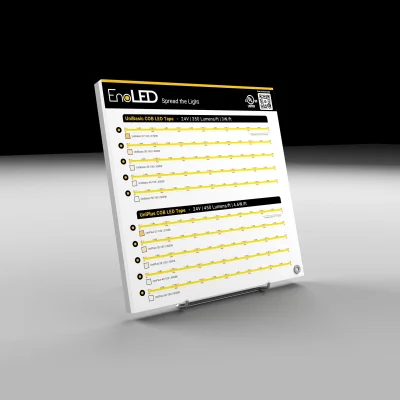
UniTape Distributors Display

Glow67 IP67 Series
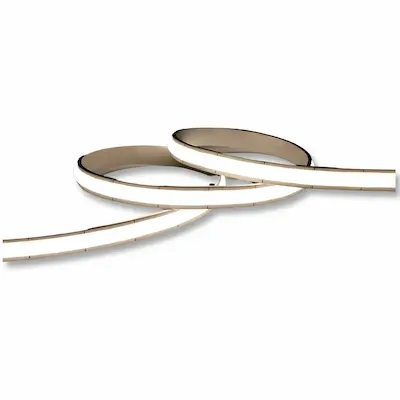
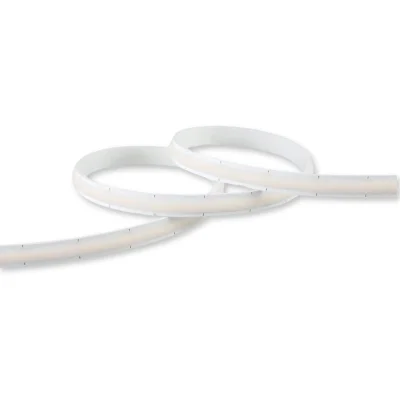
UniColor COB Series
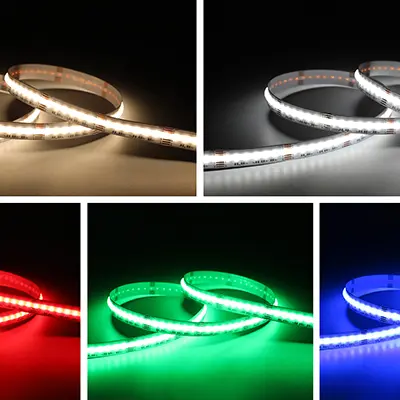


CCTPlus Tunable White
Architectural LED Lighting: Technical Guide for Design and Implementation
Architectural LED lighting has transformed how designers, architects, and lighting professionals approach the built environment. Unlike functional or task-oriented lighting systems, architectural LED lighting integrates with building design to enhance spatial qualities, highlight architectural features, and create experiential environments that serve both aesthetic and functional objectives. The evolution of LED technology has expanded design possibilities while introducing technical complexities that require careful consideration during specification and implementation.
For professionals working on commercial, institutional, and high-end residential projects, understanding the technical requirements, optical characteristics, and integration methods of architectural LED lighting is essential for delivering installations that meet design intent, maintain long-term performance, and satisfy increasingly stringent energy codes and sustainability requirements.
What Is Architectural LED Lighting?
Architectural LED lighting refers to lighting systems specifically designed to integrate with building architecture, emphasizing spatial qualities, material textures, and design elements rather than simply providing functional illumination. These systems serve dual purposes: delivering required light levels while contributing to the aesthetic and experiential qualities of the built environment.
The defining characteristic of architectural LED lighting is its integration approach. Rather than functioning as discrete, visible fixtures, architectural systems become part of the architecture itself through recessed installations, linear profiles integrated into millwork or ceiling systems, concealed cove lighting revealing architectural volumes, grazing and wall-washing techniques emphasizing textures and materials, and accent lighting highlighting artwork, displays, or architectural features.
Architectural LED lighting encompasses several distinct system types. Linear LED systems installed in continuous runs create clean, minimalist lines integrated with architectural elements. Flexibility in length, mounting methods, and optical distributions makes linear LED systems fundamental to contemporary architectural lighting design.
Cove and indirect lighting systems conceal LED sources while distributing light upward or downward to reveal ceiling planes, create ambient illumination, or emphasize vertical surfaces. The concealed source eliminates glare while the indirect distribution creates comfortable, diffuse lighting.
Grazing and wall-washing applications use precisely positioned LED fixtures to emphasize wall textures, artwork, or architectural features. Grazing fixtures positioned close to surfaces create dramatic shadows revealing texture and depth. Wall-washing systems provide uniform illumination across vertical surfaces.
Accent and focal lighting directs attention to specific elements including artwork, merchandise, architectural details, or landscape features. Adjustable LED fixtures with narrow beam spreads provide precise control over light placement and intensity.
Why Architectural LED Lighting Matters for Professional Projects
The role of architectural LED lighting extends beyond aesthetics to encompass energy performance, operational efficiency, and the creation of environments that support occupant wellbeing and project objectives.
Design flexibility represents the most significant advantage architectural LED lighting brings to professional projects. The compact form factor of LED sources enables integration into architectural details impossible with traditional lamps. Linear systems measuring 1-2 inches in width fit within millwork reveals, ceiling slots, and handrail details. Custom lengths accommodate exact architectural dimensions without visible gaps or overlaps. Tunable white capabilities allow color temperature adjustment from warm (2700K) to cool (5000K), supporting circadian rhythms and enabling different atmospheres throughout the day.
Energy efficiency in architectural applications matters particularly because these systems often operate extended hours to maintain building presence and security. LED efficacy of 100-140 lumens per watt, combined with precise optical control that eliminates wasted light, dramatically reduces energy consumption compared to halogen, fluorescent, or HID alternatives.
Maintenance accessibility challenges in architectural installations—cove lighting above high ceilings, facade illumination on building exteriors, or linear systems integrated within finished millwork—make the 50,000-100,000 hour lifespan of architectural LED lighting particularly valuable. This longevity translates to 11-23 years of operation at 12 hours daily, dramatically reducing labor costs and operational disruptions.
Precise optical control achievable with LED technology enables architectural lighting effects previously requiring complex and inefficient optical systems. Narrow beam spreads for precise accent lighting, asymmetric distributions for uniform wall-washing, linear optics creating continuous lines of light without scalloping, and adjustable fixtures allowing beam direction changes after installation all expand design possibilities.
Integration with control systems transforms architectural LED lighting from static to dynamic, enabling scenes that adapt to time of day, occupancy patterns, or programmed events. Facade lighting transitions from vibrant evening presentation to subdued overnight security lighting. Hospitality spaces shift from energetic daytime to intimate evening atmospheres.
Applications and Use Cases for Architectural LED Lighting
Architectural LED lighting serves diverse project types, each presenting unique requirements and design opportunities.
Corporate and commercial interiors utilize architectural LED lighting to reinforce brand identity and create distinctive environments. Reception areas employ dramatic cove lighting, wall-washing, and accent lighting establishing brand presence. Conference rooms benefit from tunable white linear systems providing bright lighting for presentations and warm illumination for discussions. Open office environments use indirect architectural lighting reducing glare on computer screens.
Hospitality projects depend heavily on architectural LED lighting to create memorable guest experiences. Hotel lobbies combine cove lighting, wall-washing, and accent lighting creating layered environments that transition from energetic arrival to relaxed evening ambiance. Guest rooms integrate linear LED systems within headwalls and millwork providing functional task lighting and ambient illumination. Restaurants and bars use architectural LED lighting to establish atmosphere and highlight architectural features.
Retail environments employ architectural LED lighting strategically to influence customer behavior and merchandise presentation. Perimeter wall-washing makes spaces feel larger and draws customers through the store. Cove lighting provides comfortable ambient illumination while accent lighting highlights featured merchandise. Color rendering becomes critical, with CRI 90-95 ensuring accurate color perception of apparel, cosmetics, and luxury goods.
Museum and gallery installations require architectural LED lighting balancing conservation requirements with visitor experience. Low-UV LED output protects light-sensitive artwork. Precise beam control eliminates spill light onto adjacent pieces. Tunable white capabilities allow curators to adjust color temperature matching artwork periods or conservation requirements.
Exterior architectural lighting transforms buildings into nighttime landmarks while addressing energy efficiency and light pollution concerns. Linear LED systems integrated into building facades create dramatic reveals and emphasize architectural geometry. Wall-grazing fixtures highlight material textures from stone and brick to metal panels.
Residential architectural lighting in high-end homes integrates LED technology within custom millwork and architectural details. Kitchen designs incorporate linear LED systems within upper cabinets and island details. Living spaces use cove lighting, wall-washing, and accent lighting creating layered environments supporting entertaining and relaxation.
Key Technical Considerations for Architectural LED Lighting
Successful architectural LED lighting implementation requires attention to technical factors directly impacting visual results and long-term performance.
Linear system selection involves evaluating beam angle and distribution, center beam candlepower for calculating spacing in cove applications, published photometric data enabling accurate modeling, connection methods affecting installation labor and reliability, and driver location options impacting installation flexibility and serviceability.
Color consistency across architectural LED installations requires specification discipline ensuring uniform appearance. ANSI color bins define acceptable variation ranges, with tighter bins ensuring visually imperceptible variation. Specifying products from single production lots for visible continuous runs eliminates potential color shifts.
Dimming performance in architectural applications often demands smoother, deeper dimming than general lighting systems. High-end hospitality and residential projects require dimming to 1-5% of maximum output without flicker or color shift. This performance demands quality drivers specifically designed for low-level dimming and compatibility verification between drivers and dimming systems.
Thermal management directly impacts LED lifespan and lumen maintenance in architectural installations where fixtures often install in thermally challenging locations. Linear systems recessed in millwork or ceiling slots with limited air circulation require adequate heat sinking. Ambient temperature derating information from manufacturers indicates output and lifespan impact in elevated temperature conditions.
Power supply location and capacity planning affects installation logistics and long-term reliability. Remote drivers install in accessible locations simplifying future replacement but require home-run wiring. Driver capacity must include adequate overhead—specifying drivers rated 20-30% above connected load ensures efficient operation and extended lifespan.
Optical considerations determine whether architectural lighting achieves design intent. Wall-washing uniformity depends on fixture spacing relative to wall distance and beam spread. Grazing applications require precise positioning—typically 6-12 inches from the surface—to create desired shadow patterns. Cove lighting height, width, and reflector geometry significantly impact light distribution and efficiency.
Color rendering requirements vary by application. General architectural applications function well with CRI 80-85. Hospitality, residential, and retail environments benefit from CRI 90+ ensuring flattering skin tones and accurate material color perception. Art galleries and museums may require CRI 95+ with high R9 values.
Common Mistakes in Architectural LED Lighting Projects
Understanding frequent errors in architectural LED lighting enables proactive mitigation and superior outcomes.
Insufficient mockup and testing causes the most significant project issues. Architectural lighting effects cannot be fully predicted from catalog data alone. Physical mockups installed in representative conditions reveal actual appearance, uniformity, and potential issues before full installation. Testing dimming performance through the full range verifies smooth operation.
Inadequate driver accessibility planning creates long-term serviceability challenges. Drivers eventually fail—typically before LED sources—requiring replacement. Professional specifications locate drivers in accessible ceiling plenums, electrical closets, or removable panels enabling straightforward replacement without damaging finished architecture.
Ignoring voltage drop in long linear LED runs or extensive low-voltage systems causes dimming at run ends and non-uniform appearance. Calculations accounting for wire gauge, run length, and current draw determine maximum circuit lengths before power injection becomes necessary.
Inadequate thermal analysis leads to premature lumen depreciation or failure in challenging installation conditions. Requesting thermal testing data showing performance at expected ambient temperatures and installing heat-dissipating backing materials prevents thermal issues.
Overlooking control integration during design forces compromises during installation. Defining control architecture, protocols (0-10V, DALI, DMX), zone requirements, and user interfaces during design prevents costly field changes.
Selecting Architectural LED Lighting for Your Project
Systematic evaluation ensures selection of appropriate architectural LED lighting systems meeting project requirements.
Define design intent clearly including desired visual effects, atmosphere and mood objectives, integration approach with architecture, required illumination levels, and control requirements for dimming or scene programming.
Evaluate system characteristics including published photometric data enabling accurate modeling, color temperature and rendering appropriate to the application, dimming performance meeting project requirements, connection methods and installation requirements, driver options and accessibility for future service, and finish options coordinating with architectural materials.
Verify manufacturer capabilities including technical support for design assistance, custom capabilities for non-standard configurations, quality certifications demonstrating testing and reliability, warranty terms (minimum 5 years for professional architectural applications), and documented case studies in similar project types.
Assess installation requirements including mounting methods compatible with architectural details, wiring and power supply needs, required access for installation and future service, and compatibility with specified control systems.
Calculate lifecycle economics including initial equipment and installation costs, energy consumption over projected lifespan, maintenance costs based on rated lifespan and accessibility, and contribution to sustainable building certifications.
Conclusion
Architectural LED lighting represents a fundamental tool for creating built environments that transcend pure functionality to deliver memorable spaces supporting occupant wellbeing, operational efficiency, and design excellence. The technical capabilities of LED technology have expanded design possibilities while introducing complexities requiring careful specification and implementation.
Success in architectural LED lighting projects depends on treating these systems as integrated architectural elements rather than afterthought illumination. Thorough design intent definition, physical mockups validating appearance and performance, careful attention to thermal management and driver accessibility, sophisticated control integration, and comprehensive commissioning all contribute to installations meeting aesthetic objectives while delivering reliable long-term performance.