
Flexible LED strips
- Home /
- Learning Center /
- Flexible LED strips
LED Tape Lights
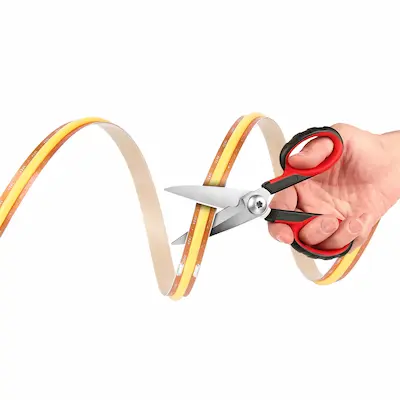
MaxCut COB Series
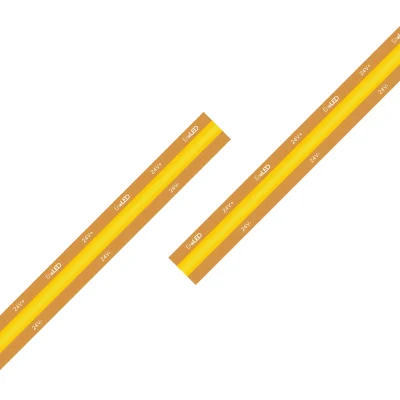
UniBasic COB Series
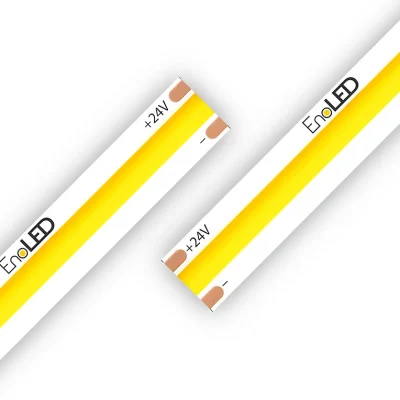
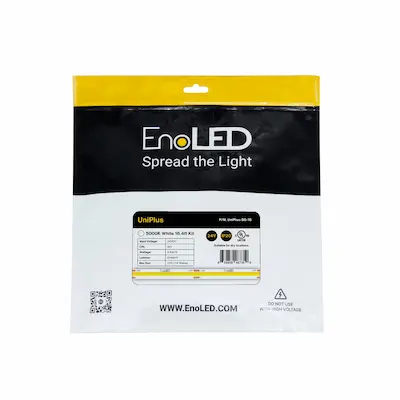
UniPlus COB Series
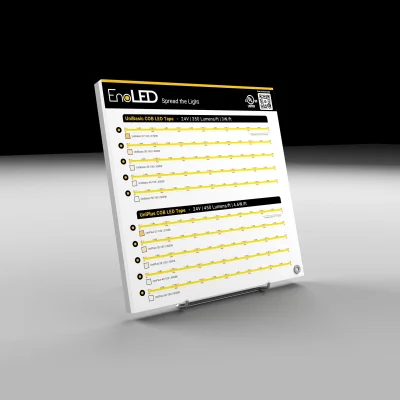
UniTape Distributors Display

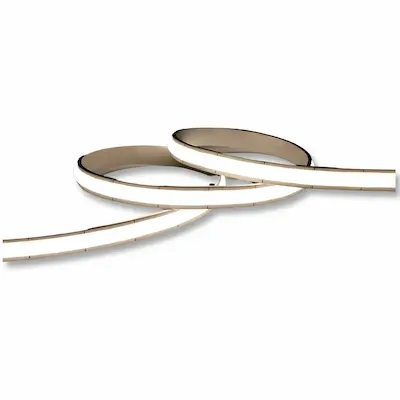
Glow67 IP67 Series
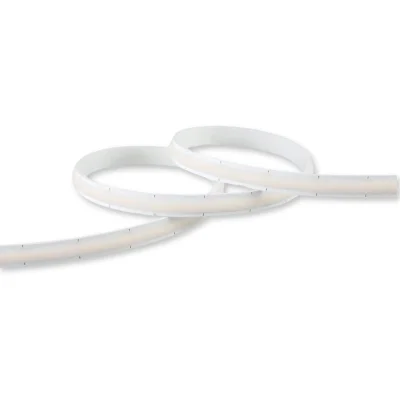
UniColor COB Series
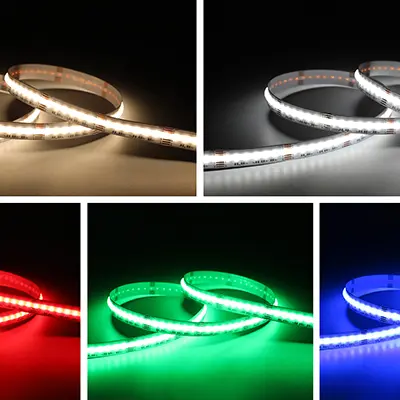
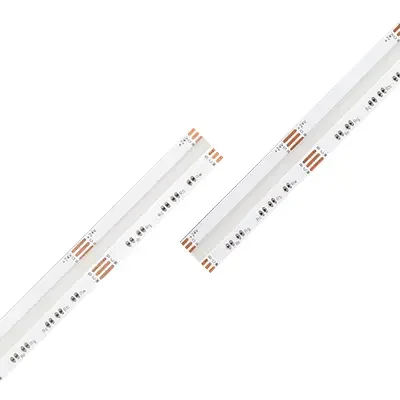

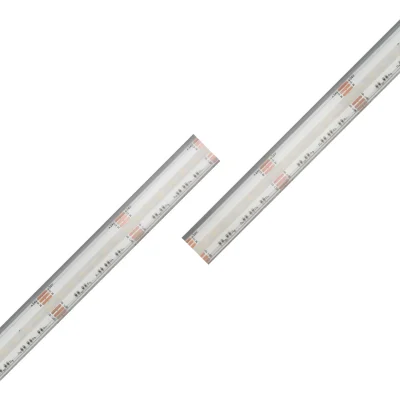

CCTPlus Tunable White
Flexible LED Strips: Professional Guide to Specification and Implementation
Flexible LED strips have fundamentally changed how lighting professionals approach linear illumination in commercial and architectural applications, yet their widespread availability has created a false impression of simplicity. While these adaptable lighting solutions enable design possibilities ranging from continuous cove lighting to complex curved installations, achieving professional-grade results requires far more than selecting products and mounting them to surfaces. For architects, lighting designers, contractors, and project managers, understanding flexible LED strips beyond marketing specifications is essential for delivering installations that maintain photometric consistency, operate reliably throughout their rated lifespan, and avoid the voltage drop, thermal management, and color uniformity issues that plague poorly specified projects.
What Are Flexible LED Strips?
lexible LED strips consist of surface-mounted LED packages installed on a thin, flexible printed circuit board typically measuring 8-12mm in width and supplied in rolls of 5-10 meters. The circuit board substrate—usually fiberglass or polyimide—provides mechanical flexibility while maintaining electrical conductivity through copper traces running the strip length.
The electrical architecture follows a series-parallel configuration critical to understanding flexible LED strip behavior. Groups of LEDs connect in series to form segments, with these segments then connected in parallel along the strip length. This arrangement enables field cutting at designated intervals while ensuring remaining segments continue functioning properly.
The flexibility that defines these products comes from the thin substrate material and component layout. Flexible LED strips typically bend to minimum radii of 25-50mm perpendicular to the strip length, though bending parallel to the length must be avoided to prevent circuit damage.
Flexible LED strips are manufactured in numerous configurations addressing different application requirements. LED density ranges from 30 LEDs per meter for basic ambient applications to 240+ LEDs per meter for demanding installations requiring uniform illumination at close viewing distances. Voltage options include 12V DC (most common for residential and light commercial), 24V DC (preferred for commercial applications due to reduced voltage drop), and specialized 48V or 120V AC systems.
Color configurations span single-color white LEDs at fixed color temperatures (2700K through 6500K), tunable white systems combining warm and cool LEDs for adjustable color temperature, RGB systems mixing red, green, and blue for color-changing effects, and RGBW or RGBWW adding dedicated white LEDs.
Environmental protection levels range from IP20 (bare circuit boards for dry interior locations) through IP65 (silicone coating for splash protection), IP67 (silicone extrusion for outdoor use), to IP68 (complete encapsulation for submersion applications).
Why Flexible LED Strips Matter for Professional Projects
Flexible LED strips enable architectural integration and installation approaches impossible with rigid linear fixtures or discrete point sources.
Design flexibility represents the primary value proposition. The continuous linear form creates uninterrupted lines of light essential for contemporary architectural aesthetics. Custom length cutting at designated intervals accommodates exact project dimensions without factory lead times. The flexibility allows conforming to curved surfaces, tight corners, and irregular architectural elements. Concealed installation within architectural reveals creates indirect lighting effects without visible hardware.
Installation efficiency translates directly to labor cost savings. Single continuous runs replace multiple discrete fixtures and associated mounting and electrical connections. Lightweight construction eliminates structural reinforcement requirements. Field cutting enables on-site adaptation to as-built conditions. Low-voltage DC systems simplify electrical installation compared to line-voltage systems.
Energy efficiency and operational costs benefit from LED technology advantages. Flexible LED strips typically consume 4-20 watts per meter, dramatically less than linear fluorescent or halogen alternatives. Rated lifespans of 30,000-50,000 hours reduce maintenance cycles. Quality power supplies achieve 85-92% efficiency.
Photometric performance when properly specified enables precise architectural lighting effects. High-density configurations (120+ LEDs/meter) produce continuous illumination without visible LED spotting. Controlled beam angles in profiled installations create distinct architectural reveals. Color rendering indices of 80-95+ ensure accurate material appearance.
Applications and Use Cases for Flexible LED Strips
Flexible LED strips serve numerous professional applications, each with specific technical requirements.
Architectural cove lighting remains the most prevalent commercial application. Flexible LED strips installed in ceiling or wall coves provide indirect ambient illumination. Professional cove installations require adequate cove depth and width for desired light distribution (typically 150-300mm depth), medium to high density LED strips (90-120+ LEDs/meter) preventing ceiling scalloping, 24V systems enabling longer runs, and aluminum profiles providing heat dissipation and mounting structure.
Under-cabinet and task lighting in commercial kitchens, bars, and workplace applications provides functional illumination. Requirements include sufficient output for task performance (400-600 lumens per meter), appropriate color temperature (3000K-4000K for food service, 4000K-5000K for workplaces), smooth dimming capability, and mounting methods concealing strip visibility.
Retail display lighting employs flexible LED strips for merchandise highlighting and shelf edge illumination. Specifications emphasize excellent color rendering (CRI 90-95+ minimum), high output (800-1200 lumens per meter), reliable dimming, and clean white light without color bias.
Hospitality installations utilize flexible LED strips for decorative effects and architectural emphasis including bar and millwork reveals, headboard backlighting, and bathroom mirrors. Requirements emphasize very smooth dimming to low levels (1-5% minimum), superior color consistency maintaining brand standards, and often RGBW capabilities for color-changing effects.
Signage and wayfinding applications employ flexible LED strips for channel letters and backlit signage. Requirements include 24/7 operational ratings, compact profiles, bright output, and UL recognition where required.
Key Technical Considerations for Flexible LED Strips
Successful flexible LED strip specification requires addressing technical factors frequently overlooked.
Voltage drop calculation and management represents the single most critical technical consideration. Flexible LED strips experience voltage drop along their length due to resistance in copper traces. This drop increases with strip length, higher wattage per meter, and lower voltage.
Voltage drop symptoms include visible dimming toward strip ends and color temperature shifts. Professional practice calculates maximum run length based on strip specifications, wire gauge and length from power supply, and acceptable voltage drop (typically 5-10% maximum). Runs exceeding calculated limits require power injection—connecting power at intermediate points.
For 12V flexible LED strips, power injection typically becomes necessary every 5-10 meters. For 24V strips, power injection typically occurs every 10-15 meters depending on wattage.
Thermal management directly impacts LED lifespan and lumen maintenance. Flexible LED strips generate heat proportional to wattage that must dissipate to prevent premature LED degradation. Surface temperature should not exceed manufacturer specifications (typically 80-90°C maximum).
Mounting flexible LED strips directly to drywall or wood provides poor heat dissipation. Professional installations employ aluminum channels or profiles providing excellent thermal conductivity, mounting structure, and often optical control through integrated diffusers.
Power supply selection and location affects system reliability and code compliance. Calculate total wattage for all flexible LED strip segments including 20-30% capacity overhead. Specify power supplies appropriate to installation environment. Locate power supplies for accessibility enabling service without damaging finished construction.
Color consistency and binning tolerances ensure uniform appearance. Professional specifications establish maximum acceptable variation through binning tolerances—typically 2-step, 3-step, or 4-step MacAdam ellipses. For projects requiring visual continuity, specify consistent production lots or tighter binning tolerances.
Cutting intervals and connection methods impact installation flexibility and reliability. Flexible LED strips cut only at designated points marked with scissor icons and copper pads—typically every 25-100mm. Soldered connections provide the most reliable joints for permanent installations. Solderless connectors enable easier installation but exhibit higher failure rates.
Common Mistakes in Flexible LED Strip Projects
Understanding frequent specification and installation errors enables proactive prevention.
Inadequate voltage drop calculation represents the most common technical error. Many specifiers assume flexible LED strips can run the entire 5-meter reel length without considering voltage drop. Always calculate maximum run length based on specific product electrical characteristics and implement power injection where needed.
Insufficient thermal management causes premature failure and rapid lumen depreciation. Mounting flexible LED strips to thermally insulating materials without heat dissipation paths leads to elevated operating temperatures. Specify aluminum channels or profiles for all commercial installations exceeding 7-8 watts per meter.
Poor cutting and connection practices damage flexible LED strips or create unreliable electrical joints. Cutting between designated cutting points severs LED circuits permanently. Improper soldering damages components. Train installers in proper techniques and require testing before concealing installations.
Neglecting color consistency specifications results in visible variation between strip sections. Specify acceptable binning tolerances upfront. Order sufficient quantities from single production lots for phased projects.
Inadequate power supply planning creates installation challenges. Undersized power supplies fail prematurely. Inaccessible power supply locations complicate servicing. Specify adequate capacity with 20-30% overhead and locate for accessibility.
Selecting Flexible LED Strips for Professional Projects
Systematic evaluation ensures appropriate flexible LED strip selection meeting project requirements.
Define photometric requirements explicitly including required lumens per meter, color temperature and rendering (CRI), beam angle or distribution characteristics, and acceptable uniformity specifications.
Evaluate installation parameters comprehensively including maximum run lengths and voltage drop constraints, thermal environment and available heat dissipation, mounting surface characteristics, environmental exposure determining required IP rating, and dimming protocols and control integration needs.
Specify quality indicators clearly including LED binning tolerances for color consistency, lumen maintenance ratings (L70 or L90), warranty duration (minimum 3-5 years for professional applications), certifications (UL, ETL, CE, DLC), and manufacturer reputation.
Request physical samples demonstrating actual illuminated appearance, samples from specific production lots for large orders, dimming performance with intended control systems, and color consistency between multiple samples.
Calculate total project costs including flexible LED strip material costs, power supplies and electrical infrastructure, aluminum profiles or mounting channels, installation labor, and anticipated service requirements.
Plan installation logistics addressing power supply locations and accessibility, wire routing and voltage drop management, cutting point alignment with architectural dimensions, connection methods and quality control procedures, and commissioning verification.
Conclusion
Flexible LED strips provide unparalleled design flexibility and installation efficiency in commercial and architectural lighting applications, but professional results require rigorous technical specification and installation practices. The apparent simplicity of these products masks complex interactions between voltage drop, thermal management, color consistency, and photometric performance.
Success demands systematic voltage drop calculation and power injection planning, adequate thermal management through appropriate mounting substrates, careful color binning specification and production lot control, proper cutting and connection techniques, and appropriate power supply selection and accessible placement.
When specified and installed with appropriate technical rigor, flexible LED strips deliver continuous, uniform illumination integrated seamlessly with architecture. The difference between success and disappointing installations lies entirely in professional knowledge application throughout specification, procurement, installation, and commissioning phases.