
LED controllers
- Home /
- Learning Center /
- LED controllers
Controls
EnoSync Smart LED Control System

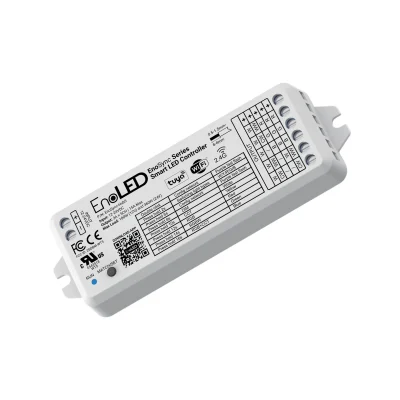
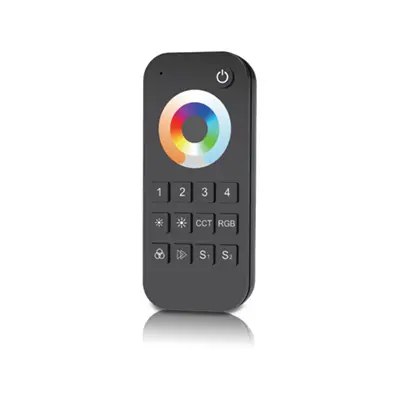
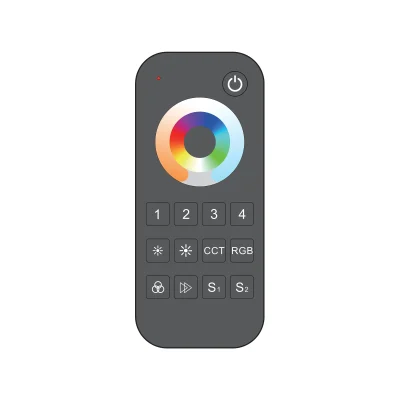


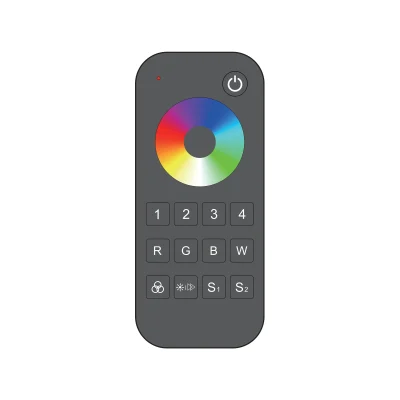


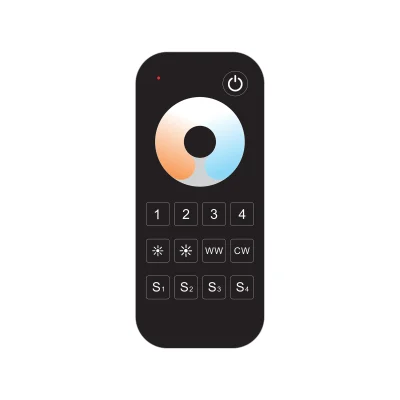


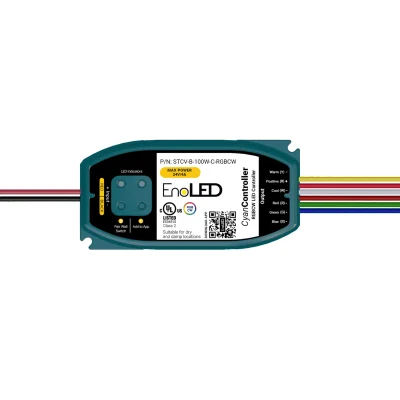
Cyan RGBCW / RGBW System


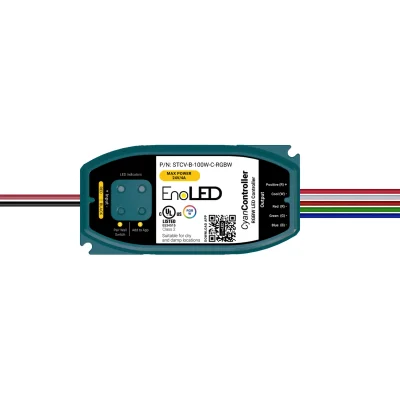

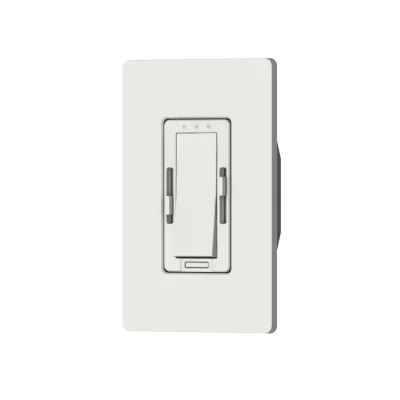
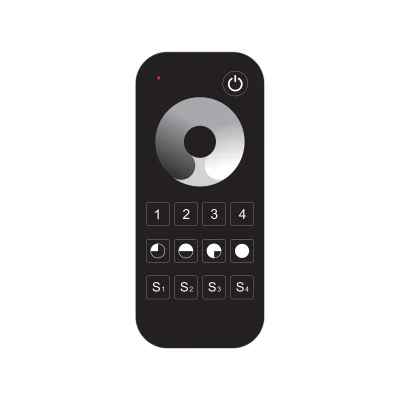
Cyan Tunable White System

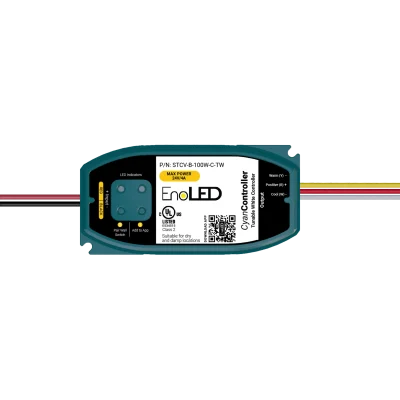
0-10V Tunable White Control

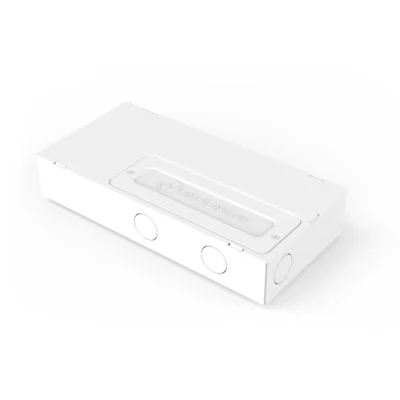

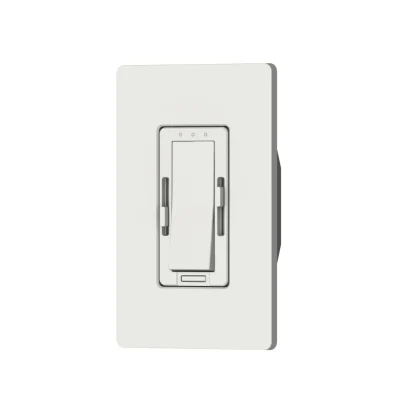
LED Controllers: Professional Guide to Specification and Integration
The sophistication of modern LED lighting systems extends far beyond simple on-off switching, yet many professional projects fail to realize the full potential of LED technology due to inadequate attention to control system specification. LED controllers represent the intelligence layer in contemporary lighting installations, enabling dimming, color tuning, dynamic effects, scheduling, and integration with building automation systems. For professionals in commercial and architectural lighting—architects, designers, contractors, and project managers—understanding LED controllers is essential for delivering installations that provide the operational flexibility, energy management capabilities, and user experience that clients expect from modern lighting investments. Inadequate controller specification or integration remains a frequent source of post-installation issues and missed opportunities for energy savings.
What Are LED Controllers?
LED controllers are electronic devices that manage and modulate the operation of LED lighting systems, providing capabilities ranging from basic dimming to sophisticated color tuning, dynamic programming, and building system integration. Unlike simple switches that merely interrupt power, LED controllers actively communicate with LED drivers or power supplies to adjust output characteristics including brightness levels, color temperature or RGB values, timing and scheduling, and coordination across multiple fixtures or zones.
LED controllers encompass a broad spectrum of devices based on complexity and application requirements. Basic controllers provide single-zone dimming or simple on-off control. Intermediate controllers manage multiple zones, support scene programming, and offer user interfaces including wall stations or mobile apps. Advanced controllers integrate with building automation systems, support addressable lighting protocols, and provide data collection capabilities.
The relationship between LED controllers and LED drivers is fundamental to understanding system architecture. LED drivers convert AC mains power to regulated DC suitable for LED operation. LED controllers send control signals to drivers instructing them to adjust output. The controller-driver communication occurs through various protocols including 0-10V analog signals, DALI digital addressable commands, DMX theatrical control data, phase-cut waveform modulation, or proprietary wireless protocols.
This separation of power conversion (driver) and control intelligence (controller) provides flexibility in system design, allows centralized control of distributed fixtures, enables sophisticated programming, and facilitates integration with building automation systems.
LED controllers may be standalone devices or integrated within other system components. Wall-mounted controllers combine user interface and control logic in single units. Central controllers serve as system hubs managing multiple zones from accessible locations. Networked controllers communicate over Ethernet or wireless networks enabling distributed intelligence and cloud connectivity.
Why LED Controllers Matter for Professional Projects
LED controllers enable capabilities that distinguish modern lighting installations from basic illumination systems, delivering value across energy management, occupant experience, operational flexibility, and building system integration.
Energy management represents one of the most quantifiable benefits LED controllers provide. Automated dimming strategies significantly reduce energy consumption beyond static LED installations. Daylight harvesting automatically dims fixtures as natural light becomes available, potentially reducing lighting energy by 30-50% in perimeter zones. Occupancy-based dimming or switching eliminates waste in unoccupied spaces, adding 20-30% savings. Task tuning adjusts ambient light levels based on actual needs. Scheduling ensures lights operate only when needed and at appropriate levels.
For a 50,000 square foot office building, sophisticated LED controller-enabled strategies might save 75,000-100,000 kWh annually compared to non-controlled LED systems.
Occupant comfort and satisfaction improve dramatically with lighting control. Research consistently demonstrates that occupants prefer and perform better in environments where they have lighting control. LED controllers enable personal adjustment supporting individual preferences, tunable white capabilities supporting circadian rhythms, scene programming creating appropriate atmospheres, and gradual transitions preventing abrupt lighting changes.
Code compliance and sustainability certifications increasingly mandate sophisticated control capabilities. ASHRAE 90.1, California Title 24, and local energy codes require automatic shutoff, multilevel switching, daylight responsive controls, and occupancy sensing. LEED and other green building certifications award points for lighting control strategies. LED controllers provide the foundation for meeting these requirements.
Operational flexibility allows spaces to adapt to changing uses without electrical modifications. Conference rooms transition from presentations to video conferences to collaborative sessions, each requiring different lighting. Retail environments adjust for seasonal merchandise or promotional events. Hospitality spaces create varied moods throughout the day.
Integration with building automation systems transforms lighting from isolated circuits to intelligent building components. LED controllers enable lighting to participate in demand response programs, coordinate with HVAC systems, respond to security system status, and provide data for building performance analysis.
Applications and Use Cases for LED Controllers
LED controllers serve diverse commercial and architectural applications, each with specific functional and performance requirements.
Corporate office environments utilize LED controllers for workstation dimming, conference room scenes supporting presentations and video conferences, daylight harvesting in perimeter zones, occupancy sensing in private offices, and centralized scheduling. Typical office implementations employ networked LED controllers supporting 0-10V or DALI communication with integration to building automation systems.
Hospitality projects depend on LED controllers creating guest experiences and operational efficiency. Guest rooms require scene control for different activities, automated energy saving when unoccupied, and individual guest adjustment. Public spaces employ sophisticated dimming and color tuning creating energetic daytime atmospheres transitioning to intimate evening environments.
Retail environments employ LED controllers strategically. Accent lighting highlights featured products, general ambient lighting provides comfortable shopping environments while managing energy, window display programming attracts attention, and façade lighting establishes nighttime presence.
Museums and galleries require LED controllers meeting conservation and curatorial requirements. Dimming protects light-sensitive artwork, programmable scenes support different exhibitions, automated scheduling ensures appropriate light exposure limits, and integration with security systems coordinates lighting with facility operation.
Architectural and entertainment applications leverage LED controllers for dynamic effects. Building facades employ color-changing sequences, interior architectural features use grazing and washing techniques, and theatrical and event spaces create dynamic environments.
Healthcare facilities implement LED controllers addressing clinical and patient needs. Patient rooms benefit from tunable white supporting circadian rhythms, nurse call integration adjusting lighting, and individual patient control. Corridors employ scheduling and dimming balancing safety and energy efficiency.
Key Technical Considerations for LED Controllers
Successful LED controller specification and integration requires attention to technical factors determining compatibility, performance, and long-term functionality.
Control protocol compatibility represents the most fundamental specification decision. The LED controller must support the communication protocol used by LED drivers. Common protocols include 0-10V analog dimming providing simple, reliable control, DALI digital addressable offering bidirectional communication, DMX theatrical standard supporting synchronized effects, phase-cut waveform modulation for residential-style compatibility, and proprietary wireless protocols.
Mixing protocols within a single installation requires gateways or translators adding complexity. Standardizing on a single protocol throughout simplifies specification and long-term support.
Capacity and scalability determine how many fixtures or zones the LED controller can manage. Entry-level controllers might support 1-4 zones. Mid-range systems handle 16-64 zones. Enterprise platforms manage thousands of fixtures across multiple buildings. Specify capacity with growth margin.
Networked versus standalone architecture affects installation flexibility and functionality. Standalone LED controllers operate independently without network connectivity. Networked controllers communicate over Ethernet, WiFi, or proprietary networks enabling centralized programming, coordinated operation, remote access, and building automation integration.
User interface options influence occupant adoption. Wall stations provide familiar switch-like control. Touchscreens offer visual programming interfaces. Mobile apps enable smartphone control. Voice integration works with common platforms. Web interfaces support facility management.
Integration capabilities determine compatibility with building systems. BACnet, Modbus, and other protocols enable building automation system integration. API availability supports custom application development. Cloud connectivity enables remote access and analytics.
Programming and commissioning complexity varies dramatically across LED controller types. Simple systems may require only basic configuration. Sophisticated platforms demand specialized software, trained technicians, and comprehensive commissioning documentation.
Power requirements and installation logistics affect electrical coordination. Some LED controllers operate on low voltage requiring separate power supplies. Others integrate directly with line voltage. Coordinate controller specifications with electrical design early.
Common Mistakes in LED Controller Projects
Understanding frequent errors enables proactive prevention.
Inadequate early planning of control requirements leads to systems failing to meet user needs. Define control zones, user interfaces, programming requirements, and integration needs during design development. Involve stakeholders including facility managers, IT departments, and end users.
Underestimating programming and commissioning effort results in rushed or incomplete system setup. Sophisticated LED controllers require significant commissioning time for zone configuration, scene programming, schedule setup, and integration testing.
Ignoring user training creates systems that occupants cannot operate effectively. Provide comprehensive training for facility staff, occupants using daily controls, and IT staff managing network connectivity.
Overlooking long-term support and update requirements creates obsolescence risks. Specify LED controllers with committed long-term manufacturer support, available firmware updates, replacement part availability, and technical support resources.
Inadequate cybersecurity consideration exposes networked systems to risks. Networked LED controllers require secure authentication, encrypted communication, network segmentation, and regular security updates.
Failing to coordinate with IT departments on networked systems creates installation delays. Involve IT staff in network planning, security requirements, and ongoing system management.
Selecting LED Controllers for Professional Projects
Systematic evaluation ensures appropriate LED controller selection.
Define functional requirements comprehensively including control zones and fixture groupings, dimming requirements, scheduling and automation needs, user interface preferences, integration requirements, and programming complexity.
Evaluate system capabilities including maximum zones supported, supported control protocols, network connectivity options, user interface choices, integration capabilities, programming tools, and expansion capabilities.
Assess manufacturer qualifications through industry reputation, technical support availability, training resources, long-term commitment, documentation quality, and successful installations in similar applications.
Consider total cost of ownership including initial equipment costs, installation labor, programming and commissioning effort, training requirements, ongoing maintenance, and energy savings enabled.
Verify compatibility explicitly through protocol verification with LED drivers, integration testing with building automation systems, user interface evaluation with stakeholders, and pilot installations.
Plan commissioning procedures including detailed programming specification, zone and scene configuration documentation, testing protocols, user training, and ongoing support arrangements.
Conclusion
LED controllers transform LED lighting from simple illumination into intelligent, responsive building systems delivering energy efficiency, occupant comfort, operational flexibility, and building integration capabilities. However, realizing these benefits requires understanding that LED controller selection and integration involve far more than purchasing control equipment.
Success with LED controllers demands early planning defining control requirements and system architecture, careful protocol selection ensuring driver compatibility, appropriate capacity specification accommodating current and future needs, thoughtful user interface design supporting different stakeholder groups, comprehensive commissioning validating functionality, and adequate training enabling effective ongoing operation.
The systematic approach outlined in this guide provides professionals with a framework for specifying and implementing LED controllers that deliver sophisticated control capabilities reliably throughout their operational lifespan while avoiding common specification and integration pitfalls.