
LED lighting solutions
- Home /
- Learning Center /
- LED lighting solutions
LED Tape Lights
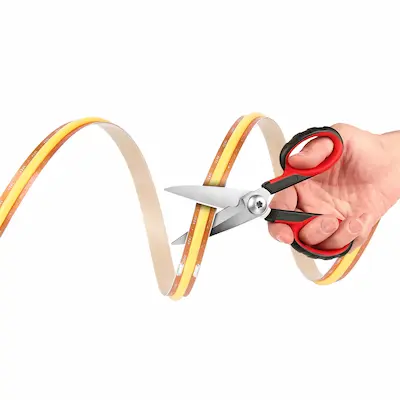
MaxCut COB Series
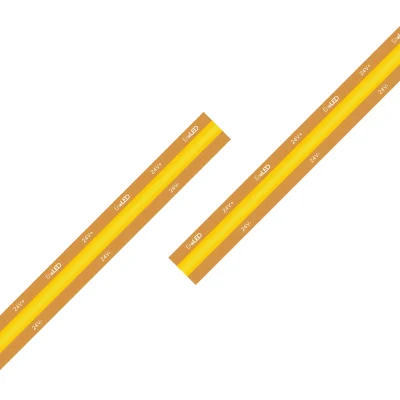
UniBasic COB Series
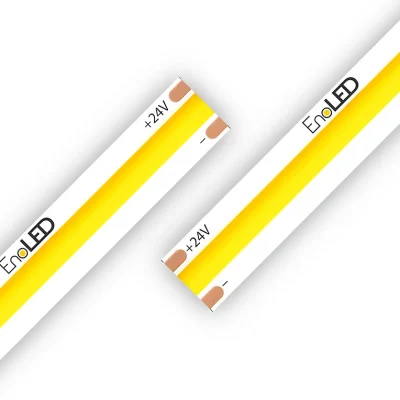
UniPlus COB Series
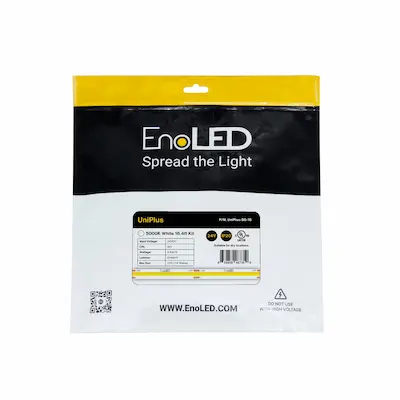
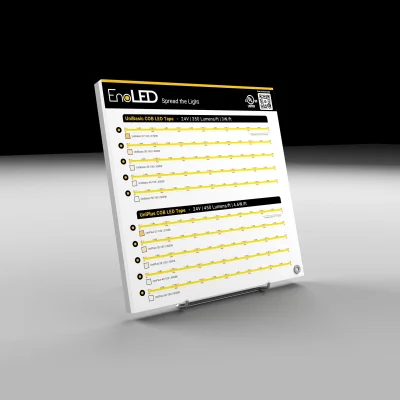
UniTape Distributors Display
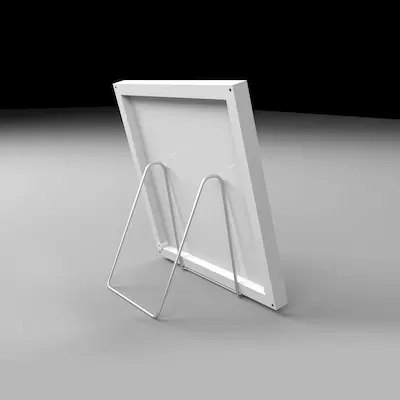
Glow67 IP67 Series
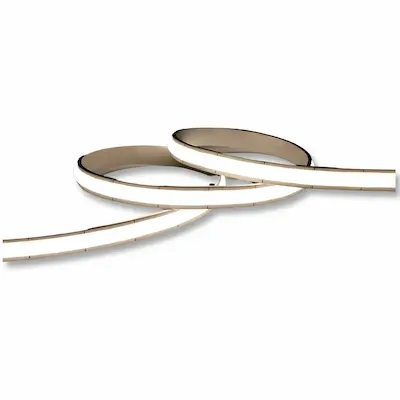
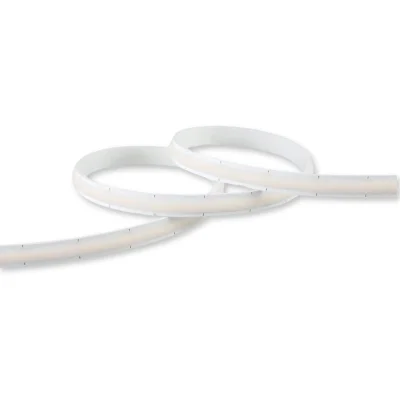
UniColor COB Series
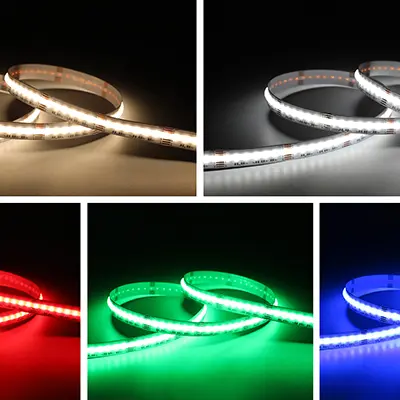
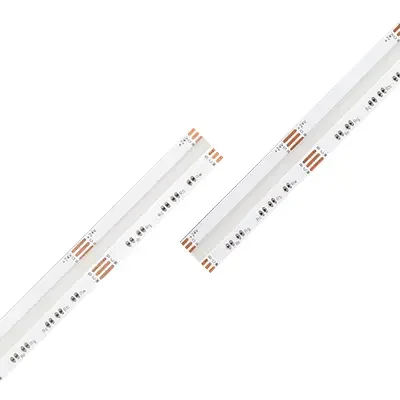

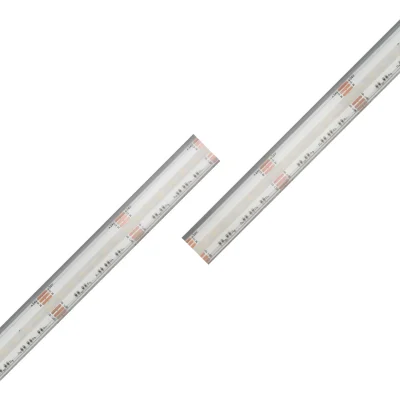

CCTPlus Tunable White
LED Lighting Solutions: A Comprehensive Guide for Commercial and Architectural Projects
The commercial and architectural lighting landscape has undergone a fundamental transformation over the past decade, driven primarily by LED technology advancements. LED lighting solutions now represent the industry standard for new construction and renovation projects, offering a combination of energy efficiency, design flexibility, and long-term performance that traditional technologies simply cannot match. However, the proliferation of LED products and systems has created complexity for professionals tasked with selecting, specifying, and implementing these solutions across diverse project types.
Understanding how to navigate the technical requirements, performance characteristics, and application considerations of LED lighting solutions is essential for architects, lighting designers, contractors, and project managers who need to deliver projects that meet strict performance criteria, budget constraints, and sustainability goals
What Are LED Lighting Solutions?
LED lighting solutions encompass complete systems designed to provide illumination for commercial, architectural, industrial, and institutional environments. Unlike simple product replacements, comprehensive LED lighting solutions integrate multiple components including LED fixtures, drivers, control systems, sensors, and dimming protocols to create functional lighting environments tailored to specific applications.
The term “solution” distinguishes these systems from individual LED products by emphasizing the integrated approach required for successful implementation. A complete LED lighting solution addresses power delivery through appropriate drivers and power supplies, control integration via dimming systems and sensors, thermal management ensuring proper heat dissipation and longevity, optical design delivering required light distribution and quality, and system compatibility with building management systems and existing infrastructure.
Modern LED lighting solutions range from simple retrofit applications replacing existing fluorescent or HID fixtures to sophisticated architectural installations featuring tunable white capabilities, addressable control, and dynamic programming. The flexibility of LED technology enables solutions scaled to virtually any application, from small office renovations to large-scale commercial developments
Why LED Lighting Solutions Matter for Professional Projects
The shift to LED lighting solutions represents more than just a technology upgrade. For professional projects, LED implementations directly impact energy budgets, operational costs, maintenance requirements, and occupant experience.
Energy efficiency remains the most quantifiable benefit. Quality LED lighting solutions typically consume 50-75% less energy than the fluorescent, halogen, or HID systems they replace. For commercial buildings operating lighting systems 12-16 hours daily, this translates to substantial utility cost reductions. A 100,000 square foot office building converting from fluorescent to LED solutions can often reduce lighting energy consumption by 200,000-300,000 kWh annually.
Operational lifespan fundamentally changes maintenance planning. LED lighting solutions with rated lifespans of 50,000-100,000 hours (approximately 11-23 years at 12 hours daily operation) dramatically reduce maintenance frequency and labor costs compared to traditional sources requiring replacement every 2-5 years. This extended lifespan is particularly valuable in applications with difficult access, such as high-bay industrial facilities, atriums, or exterior architectural installations.
Power quality and electrical infrastructure requirements differ significantly from legacy technologies. LED lighting solutions draw lower current, reducing electrical panel loading and potentially allowing more circuits per panel. This can simplify electrical design and reduce installation costs.
Integration capabilities with building automation systems enable sophisticated control strategies impossible with older technologies. Advanced LED lighting solutions support daylight harvesting, task tuning, circadian lighting programs, and granular zone control. These capabilities move lighting from a static building system to a dynamic, programmable element that adapts to changing space utilization and user requirements
Common Applications and Use Cases
LED lighting solutions serve virtually every commercial and architectural application, though implementation approaches vary significantly based on project requirements.
Office environments typically implement LED solutions focused on visual comfort, energy efficiency, and integration with daylight and occupancy controls. Troffer replacements, linear systems, and panel fixtures dominate these applications. Control integration with building automation systems enables scheduling, occupancy-based dimming, and daylight harvesting strategies that can reduce lighting energy consumption by an additional 30-50% beyond simple LED conversion.
Retail and hospitality applications prioritize color rendering, dimming performance, and accent lighting capabilities. LED solutions in these environments must deliver excellent CRI (90+) to accurately render merchandise and finishes while providing smooth dimming from full output to very low levels without flicker or color shift.
Industrial and warehouse facilities benefit from high-bay LED solutions offering superior efficacy (120-160 lumens per watt), instant-on operation eliminating warm-up delays, and improved light quality compared to metal halide systems. The lumen maintenance characteristics of LED technology ensure more consistent illumination levels throughout the maintenance cycle.
Exterior architectural and facade lighting leverages LED solutions’ compact form factors, color control capabilities, and environmental durability. Linear grazing fixtures, adjustable accent lights, and color-changing systems create dynamic exterior environments while maintaining the energy efficiency and longevity required for sustainable operations.
Healthcare facilities implement LED solutions addressing stringent requirements for color rendering in clinical areas, flicker-free operation for sensitive patients, infection control through materials selection, and reliable emergency backup integration. Specialized solutions for surgical suites, patient rooms, corridors, and diagnostic areas require careful specification to meet both clinical and operational requirements
Key Technical Considerations for LED Lighting Solutions
Successful LED lighting solution implementation requires attention to multiple technical factors that directly impact performance, longevity, and user satisfaction.
Driver quality and compatibility fundamentally determines system reliability and lifespan. The LED driver converts AC mains voltage to regulated DC power while protecting LEDs from electrical faults. Quality drivers achieve 85-92% efficiency and include overcurrent protection, thermal management, and surge protection. Driver failure represents the most common cause of LED system failure, making driver selection as critical as fixture selection. Dimming-capable drivers must match the intended dimming protocol—phase-cut, 0-10V, DALI, or DMX—with verified compatibility between drivers, dimmers, and control systems.
Thermal management directly impacts LED lifespan and lumen maintenance. LEDs generate less heat than traditional sources but remain sensitive to operating temperature. Fixture designs must provide adequate heat dissipation through aluminum heat sinks, thermal interface materials, and proper airflow. Operating junction temperatures should remain below 85°C for optimal lifespan. Fixtures inadequately designed for their installation conditions may experience accelerated lumen depreciation and premature failure.
Optical performance encompasses light distribution, glare control, and color quality. LED sources’ directional nature enables precise optical control but also demands proper lens and reflector design to achieve desired distribution patterns. Color Rendering Index (CRI) and R9 values indicate color quality, with most commercial applications requiring CRI of 80-90 and specialized applications like retail or healthcare demanding CRI 90-95 with high R9 values for accurate red rendering.
Dimming performance varies significantly among LED solutions. Smooth dimming to low levels (1-10% of maximum output) without flicker, buzzing, or color shift requires proper driver-dimmer compatibility and quality components. For commercial projects requiring reliable, smooth dimming, 0-10V or DALI protocols offer superior performance and broad compatibility.
Flicker characteristics affect visual comfort and have implications for video recording and photography. High-quality LED drivers maintain output frequency above perceptible levels (typically 200+ Hz) to eliminate visible flicker. Specification documents should include flicker performance requirements, particularly for healthcare, educational, and retail applications.
Control system integration requires early planning and clear specification. DALI, BACnet, and proprietary protocols each offer different capabilities and complexity levels. Control system architecture affects product selection, programming requirements, and long-term operational flexibility
Common Mistakes and How to Avoid Them
Professional projects encounter recurring challenges in LED lighting solution implementation that can be proactively addressed.
Inadequate driver-dimmer compatibility testing causes frequent post-installation issues. Assuming that “LED-compatible” dimmers work with all LED drivers leads to flickering, limited dimming range, or buzzing. Specify matched driver-dimmer combinations verified through manufacturer compatibility lists. Test actual products together before large-scale deployment.
Insufficient capacity planning for drivers results in overloaded systems and reduced lifespan. Operating drivers at or near maximum capacity generates excess heat and stress. Specify drivers rated for 20-30% more capacity than connected LED load. A 100W LED installation should use a driver rated for 120-130W minimum.
Ignoring thermal conditions in recessed or enclosed applications accelerates lumen depreciation and shortens lifespan. Verify fixtures carry appropriate ratings for the installation environment—IC-rated for insulated ceiling contact and rated for ambient operating temperatures matching the installation location.
Overlooking Color Rendering Index (CRI) and spectral quality leads to poor color perception despite adequate illumination levels. Specify minimum CRI values appropriate to the application—80 minimum for general commercial spaces, 90+ for retail and hospitality, 90+ with high R9 for healthcare and critical color applications.
Inadequate documentation and labeling complicates future maintenance and modifications. Require comprehensive documentation including as-built drawings, fixture schedules with specific model numbers, driver locations and specifications, and control system programming documentation
How to Choose the Right LED Lighting Solutions
Selecting appropriate LED lighting solutions for professional projects requires systematic evaluation across multiple criteria.
Begin with functional requirements defining illumination levels, distribution patterns, color temperature, and color rendering needed for the space and activities. IESNA guidelines provide recommended illumination levels for various applications.
Evaluate environmental conditions including ambient temperature range, moisture exposure, dust or particulate presence, and corrosion potential. These factors determine required IP ratings, housing materials, and thermal design.
Establish control requirements early in the design process. Simple on-off switching, continuous dimming, tunable white capabilities, and integration with building automation systems each require different technical approaches and affect product selection and installation complexity.
Analyze lifecycle costs rather than focusing solely on initial acquisition costs. Total cost of ownership includes initial equipment and installation costs, energy consumption over the system lifespan, maintenance costs, and potential utility rebates. LED solutions with higher initial costs often deliver superior lifecycle economics.
Verify compliance with applicable energy codes and standards. ASHRAE 90.1, California Title 24, and local energy codes establish minimum efficiency requirements and control mandates. Green building rating systems like LEED include additional criteria for lighting power density and controllability.
Request and evaluate photometric data, specification sheets, warranty terms, and third-party certifications. DLC listings verify minimum performance criteria and utility rebate eligibility. Warranty terms should include minimum five-year coverage on fixtures and drivers for commercial applications
Practical Implementation Strategies
Successful LED lighting solution deployment extends beyond product selection to encompass installation practices and commissioning procedures.
Develop detailed specification documents that clearly communicate requirements including specific model numbers or performance specifications, driver requirements and dimming protocols, control system architecture, and installation details and thermal considerations.
Conduct pre-installation coordination with electrical contractors to verify compatibility between specified products, existing or planned electrical infrastructure, control systems, and mounting conditions. This coordination prevents field changes and delays.
Implement commissioning procedures that verify proper installation and performance including measurement of illumination levels, testing of dimming and control functionality, verification of proper driver-fixture compatibility, and documentation of control system programming.
Provide training and documentation for facilities staff who will operate and maintain the systems. Clear documentation enables efficient long-term operation and should include recommended maintenance schedules, replacement part specifications, and troubleshooting guidance
Conclusion
LED lighting solutions have matured from emerging technology to industry standard, offering compelling benefits in energy efficiency, operational lifespan, and control capabilities. However, realizing these benefits in professional commercial and architectural projects requires thorough understanding of technical considerations, careful product selection, and proper implementation practices.
Success hinges on treating LED lighting as an integrated solution rather than a simple product replacement. Driver quality and compatibility, thermal management, optical performance, dimming capabilities, and control system integration all demand careful attention during specification and installation.
The systematic approach outlined in this guide—establishing functional requirements, evaluating environmental conditions, defining control strategies, analyzing lifecycle costs, and implementing proper commissioning—provides a framework for professional specification and deployment of LED lighting solutions that meet project goals for performance, efficiency, and reliability. As LED technology continues advancing, the fundamental principles of thoughtful specification and implementation remain constant for delivering systems that perform reliably throughout their extended operational lifespan