
Smart LED lighting control
- Home /
- Learning Center /
- Smart LED lighting control
Controls
EnoSync Smart LED Control System

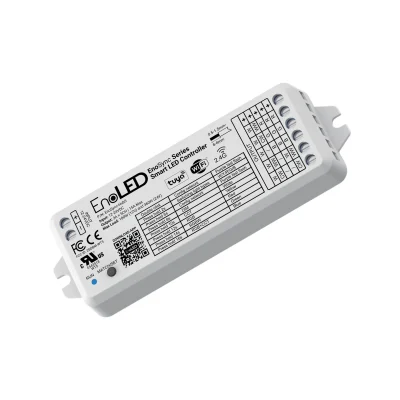
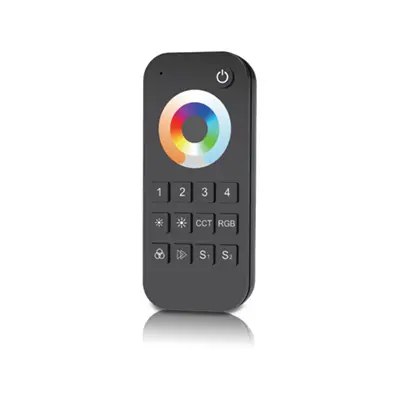
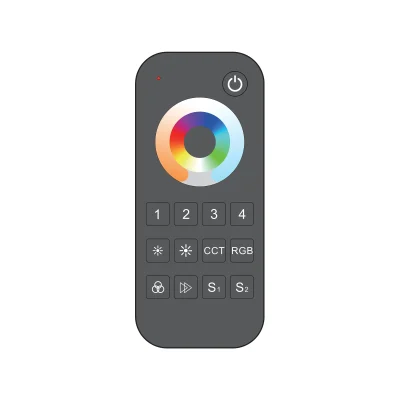


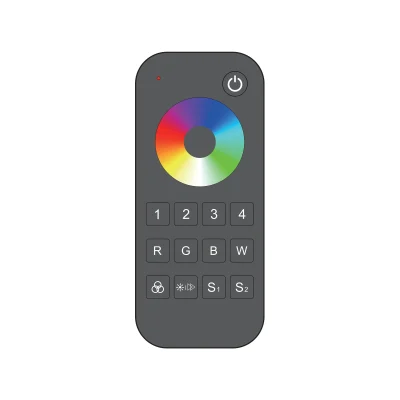


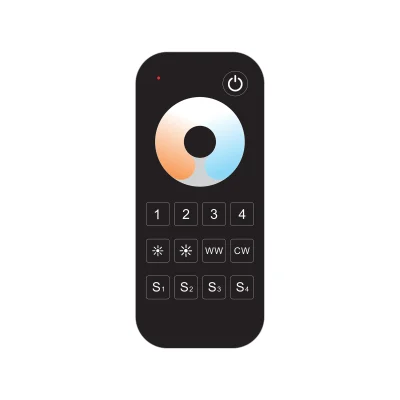


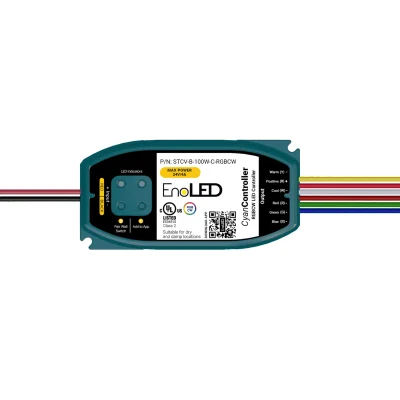
Cyan RGBCW / RGBW System


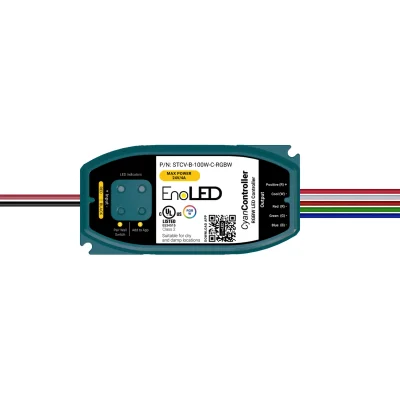

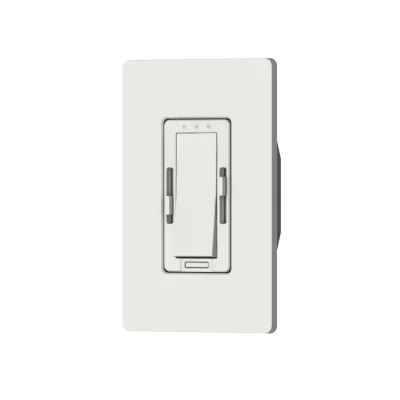
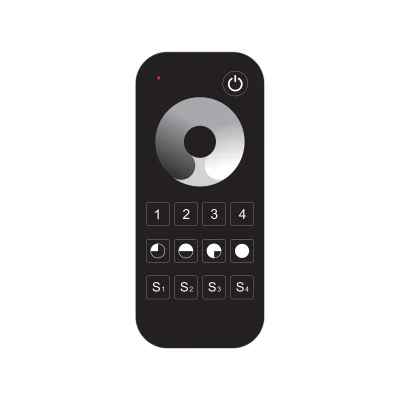
Cyan Tunable White System

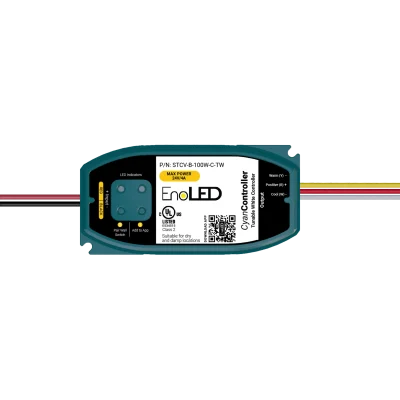
0-10V Tunable White Control


Smart LED Lighting Control: Professional Guide to Specification and Implementation
Smart LED lighting control has evolved from optional enhancement to essential infrastructure in contemporary commercial and architectural projects, yet the term “smart” encompasses such diverse technologies and capabilities that meaningful specification requires understanding distinct technical approaches and their operational implications. While marketing materials often present smart LED lighting control as uniformly intelligent and interconnected, professional implementations must navigate protocol compatibility, network architecture, cybersecurity requirements, and integration complexity that determine whether systems deliver promised functionality or become expensive liabilities. For architects, lighting designers, contractors, and project managers, understanding smart LED lighting control beyond vendor presentations is essential for specifying systems that provide genuine operational value, integrate reliably with building infrastructure, and justify their premium costs through measurable benefits.
What Is Smart LED Lighting Control?
Smart LED lighting control refers to lighting systems employing networked communication, intelligent logic, data collection, and often remote or automated operation to extend capabilities beyond simple on-off-dim control. Unlike conventional lighting controlled through dedicated wall switches or basic timers, smart LED lighting control systems leverage connectivity, programmability, and data to enable sophisticated operational strategies.
The defining characteristics distinguishing smart LED lighting control include network connectivity enabling fixtures or control devices to communicate over wired (Ethernet, DALI, KNX) or wireless (WiFi, Zigbee, Bluetooth) networks, programmable logic supporting scheduled operation, scene creation, and automation rules, data collection and analysis tracking occupancy patterns and energy consumption, remote operation through mobile apps or web interfaces, and integration capabilities connecting lighting with HVAC, security, and other building systems.
Smart LED lighting control encompasses multiple technical architectures. Cloud-based systems rely on internet connectivity with control logic residing in manufacturer cloud infrastructure, enabling remote access but creating dependency on internet connectivity. Edge-based systems process control logic locally within on-site controllers, operating independently of internet connectivity. Hybrid approaches combine local processing for core operations with cloud connectivity for remote access and analytics.
Communication protocols define how system components interact. Proprietary wireless protocols offer optimization for lighting but create vendor dependency. Zigbee provides open-standard wireless with multi-vendor compatibility. Bluetooth Mesh enables smartphone-based control without dedicated infrastructure. DALI offers robust wired protocol with broad industry support. IP-based systems use standard networking infrastructure.
The distributed intelligence in smart LED lighting control may reside in luminaires with integrated sensors, control devices like wall stations, centralized controllers or gateways, or combinations distributing intelligence across components. This architectural decision affects system cost, reliability, and operational characteristics.
Why Smart LED Lighting Control Is Important for Professional Projects
Smart LED lighting control delivers measurable value across energy management, operational efficiency, occupant experience, and building performance.
Energy management represents the most quantifiable benefit. Smart LED lighting control enables sophisticated strategies including adaptive scheduling adjusting lighting based on learned occupancy patterns, granular zone control responding to specific area usage, daylight harvesting integration with sensors, demand response participation reducing loads during peak electrical pricing periods, and energy analytics identifying consumption patterns.
Studies consistently demonstrate well-implemented smart LED lighting control systems reducing lighting energy consumption 30-60% beyond static LED installations, with ROI typically achieved within 3-7 years.
Operational efficiency improvements reduce facility management workload. Remote monitoring enables identifying failures before occupant complaints, predictive maintenance replaces components based on actual usage data, centralized management controls multiple buildings from single interfaces, automated commissioning reduces installation labor, and rapid reconfiguration adapts spaces without electrician callouts.
For facility management teams responsible for multiple buildings, smart LED lighting control can reduce lighting-related service calls by 40-60% while enabling faster response through precise fault location and diagnostic data.
Occupant experience enhancement supports productivity, comfort, and satisfaction. Personal control via smartphone apps, automated adjustment to preferred conditions, circadian rhythm support through tunable white light, and integration with other building systems all contribute to measurable occupant satisfaction improvements.
Data-driven building operations leverage information collected by smart LED lighting control systems. Occupancy data informs space utilization analysis, HVAC optimization, and real estate decisions. Energy consumption patterns support sustainability reporting. This operational intelligence increasingly justifies smart LED lighting control investment beyond direct energy savings.
Applications and Use Cases for Smart LED Lighting Control
Smart LED lighting control serves diverse professional applications where its capabilities address specific operational requirements.
Corporate office environments employ smart LED lighting control for workstation personal control, meeting room booking integration, desk and conference room sensors providing space utilization data, daylight harvesting in perimeter zones, and scheduled operation across large floor plates. Integration with building automation systems enables coordinated HVAC operation based on actual occupancy.
Retail environments utilize smart LED lighting control for merchandise presentation with scene control, scheduled operation adapting to traffic patterns, integration with security systems, customer analytics through sensor data, and centralized management across multiple locations.
Healthcare facilities implement smart LED lighting control for patient room personal control and circadian rhythm support, automated adjustment coordinating with nurse call systems, corridor scheduling balancing safety and efficiency, surgical and procedure room preset scenes, and infection control support.
Educational institutions deploy smart LED lighting control for classroom scene control supporting varied pedagogical approaches, occupancy-based operation in intermittently used spaces, integration with audiovisual and HVAC systems, and centralized scheduling across campus.
Hospitality projects employ smart LED lighting control for guest room personalization and energy saving when unoccupied, meeting and ballroom scene control, public space automated adjustment, integration with property management systems, and multi-property portfolio management.
Key Technical Considerations for Smart LED Lighting Control
Successful smart LED lighting control specification requires addressing architecture, protocol, integration, and security factors.
Network architecture decisions affect system reliability and operational independence. Fully cloud-dependent smart LED lighting control creates vulnerability to internet outages and cloud service disruptions. Professional specifications should require substantial local functionality enabling continued operation during connectivity loss.
Gateway or bridge requirements affect infrastructure and installation costs. Some smart LED lighting control systems require dedicated gateways translating between fixture protocols and building networks. Understanding these requirements during design prevents mid-project modifications.
Protocol selection and standardization impact long-term flexibility and vendor independence. Proprietary protocols create vendor lock-in, limiting future component replacement to single manufacturers. Open standards including DALI, BACnet, and Zigbee provide multi-vendor options. Professional specifications should prioritize open protocols or explicitly acknowledge vendor dependency trade-offs.
Integration capabilities determine whether smart LED lighting control operates as isolated system or integrated building component. Define integration requirements during design development including communication with building automation systems, coordination with HVAC, interface with access control, data export for analytics platforms, and API availability.
Cybersecurity requirements increasingly govern smart LED lighting control specifications. Professional implementations must address network segmentation isolating lighting from critical IT infrastructure, encrypted communications, secure authentication, regular security updates, and compliance with applicable standards. Engage IT security teams early in specification.
Commissioning and programming complexity affects installation costs. Smart LED lighting control requires substantially more commissioning than conventional lighting including network configuration, sensor calibration, scene programming, integration testing, and user training. Budget adequate time and qualified resources—typically 20-40% of hardware costs for complex systems.
Common Mistakes in Smart LED Lighting Control Projects
Understanding frequent specification and implementation errors enables proactive prevention.
Underestimating commissioning requirements leads to inadequately configured systems. Smart LED lighting control requires extensive programming, calibration, and testing. Budget adequate commissioning resources, and verify contractor capabilities in smart system implementation.
Overlooking cybersecurity requirements creates vulnerabilities and potential IT department conflicts. Engage IT security teams during design development, not during installation. Many corporate IT departments have specific requirements for networked devices.
Inadequate network infrastructure planning assumes existing networks accommodate smart LED lighting control without analysis. Wireless systems require adequate coverage and interference mitigation. Wired systems require network ports and bandwidth. Verify network requirements during design.
Vendor lock-in acceptance without evaluation occurs when specifiers fail to recognize long-term implications of proprietary systems. Understand what happens when manufacturers discontinue products or cease operations. Specify systems with documented exit strategies.
Insufficient user training creates capable systems that occupants and facility staff cannot operate effectively. Develop comprehensive training programs for facility management, and provide intuitive interfaces for occupants.
Selecting Smart LED Lighting Control for Professional Projects
Systematic evaluation ensures appropriate smart LED lighting control selection.
Define functional requirements explicitly including specific energy management strategies, level of occupant control appropriate to space types, integration needs with other building systems, remote access requirements, data collection expectations, and scalability for future expansion.
Verify the project justifies smart LED lighting control investment through quantified energy savings analysis, operational efficiency improvements, occupant experience enhancements valued by client, and data analytics providing decision-making value.
Evaluate technical architecture including local versus cloud operation balance, network infrastructure requirements and availability, protocol selection and standardization strategy, cybersecurity requirements and compliance, and commissioning complexity and available expertise.
Assess vendor qualifications including market presence and financial stability, technical support availability, documented similar project experience, cybersecurity practices and certifications, and long-term product roadmap.
Calculate total cost of ownership comprehensively including hardware and licensing costs, network infrastructure investments, installation and commissioning labor, training and documentation, ongoing subscription or support fees, and projected energy savings.
Plan for commissioning and operations including detailed commissioning specifications, training programs for facility staff and occupants, documentation requirements including as-built configurations, and ongoing support arrangements.
Conclusion
Smart LED lighting control delivers measurable value in professional commercial and architectural projects through energy management, operational efficiency, occupant experience enhancement, and data-driven facility operations. However, realizing these benefits requires systematic specification addressing network architecture, protocol selection, integration requirements, cybersecurity, and commissioning complexity.
Professional smart LED lighting control specification demands defining functional requirements quantifying value proposition, evaluating technical architecture appropriate to project needs, selecting open protocols minimizing vendor lock-in where possible, addressing cybersecurity requirements meeting IT standards, and budgeting adequate commissioning resources.
When smart LED lighting control systems address genuine operational requirements with rigorous specification and professional implementation, they provide sophisticated control capabilities, measurable energy savings, and operational intelligence justifying investment. When specified based on marketing appeal without adequate technical evaluation, they create expensive complexity without proportional value. The distinction lies entirely in matching smart capabilities to actual project needs through informed specification and thorough execution.