
LED Strip Lights
- Home /
- Learning Center /
- LED Strip Lights
LED Tape Lights
MaxCut COB Series
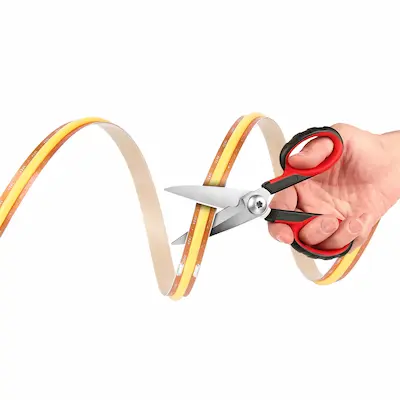
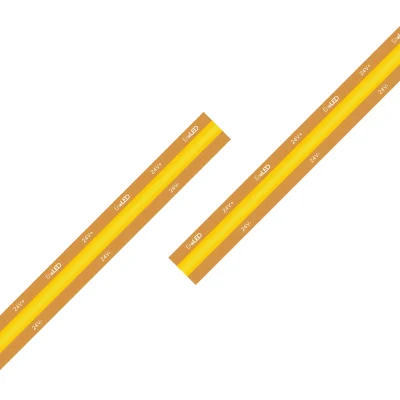
UniBasic COB Series
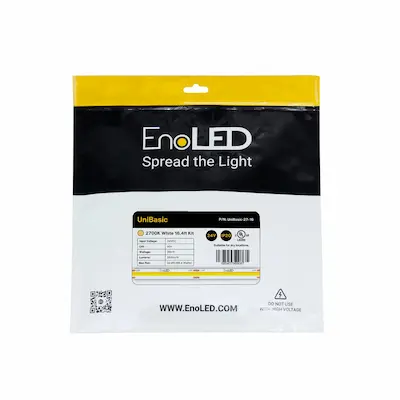
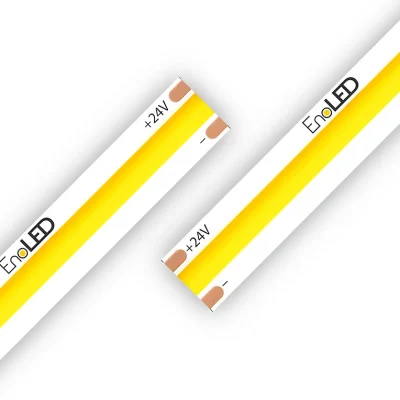
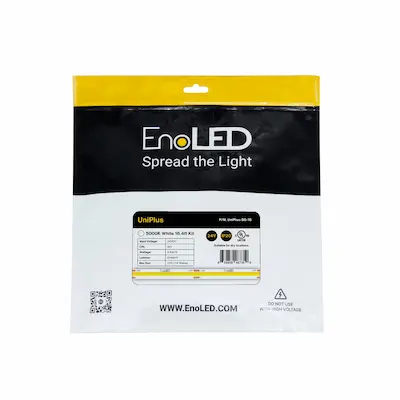
UniPlus COB Series
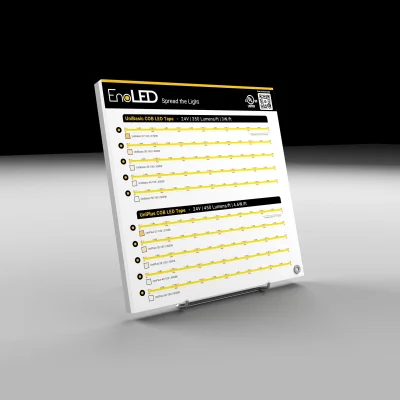
UniTape Distributors Display
Glow67 IP67 Series
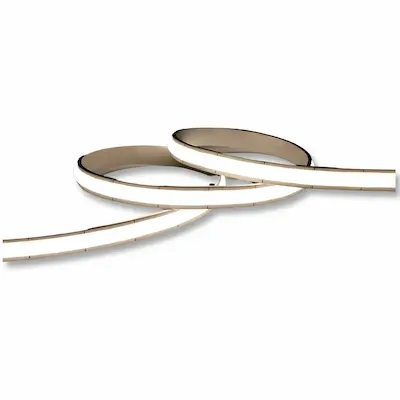
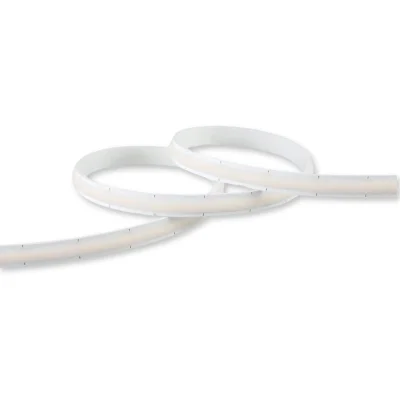
UniColor COB Series
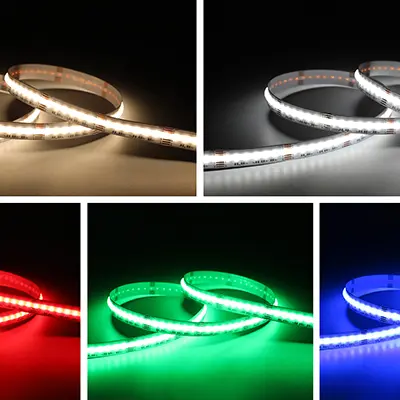
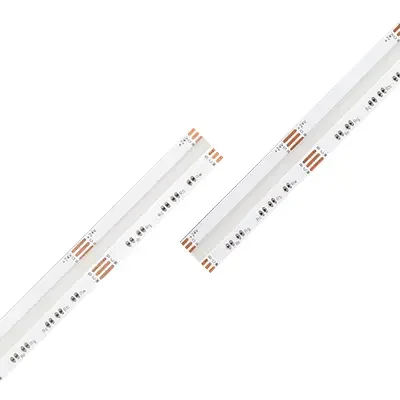

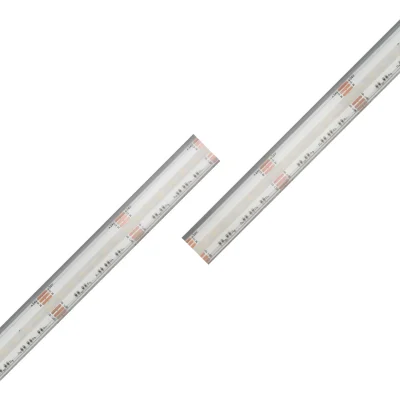

CCTPlus Tunable White
LED Strip Lights: The Ultimate Guide to Flexible Lighting Solutions
LED strip lights have revolutionized interior and exterior lighting, offering unprecedented flexibility, energy efficiency, and creative possibilities. These versatile lighting solutions have transformed from specialized commercial products into mainstream fixtures found in homes, businesses, and vehicles worldwide. Understanding their capabilities and applications will help you make the most of this transformative technology.
What Are LED Strip Lights?
LED strip lights, also known as LED tape lights or ribbon lights, consist of small light-emitting diodes mounted on a flexible circuit board. This circuit board typically includes an adhesive backing for easy installation on virtually any surface. The flexible design allows these lights to bend around corners, fit into tight spaces, and conform to curved surfaces where traditional lighting fixtures simply cannot go.
Most LED strip lights operate on low-voltage direct current, commonly 12V or 24V, making them safe for DIY installation. The strips come in various lengths, typically sold in reels of 16 feet, though they can be cut to custom lengths at designated cutting points spaced every few inches along the strip.
Types of LED Strip Lights
Single Color LED Strips: These strips emit one consistent color, typically white in various temperatures ranging from warm white (2700K-3000K) to cool white (5000K-6500K). They’re ideal for general lighting, task lighting, and situations where consistent illumination is the priority.
RGB LED Strips: RGB strips contain red, green, and blue LED chips that can be mixed to create millions of color combinations. These strips require RGB controllers and are perfect for entertainment spaces, accent lighting, and applications where color-changing effects enhance the atmosphere.
RGBW and RGBWW LED Strips: These advanced strips add dedicated white LED chips alongside the red, green, and blue chips. This combination provides both vibrant color options and high-quality white light from a single strip, offering maximum versatility.
Tunable White LED Strips: These strips allow you to adjust the color temperature from warm to cool white, creating the perfect ambiance for any time of day or activity.
High-Density vs. Standard Density: Standard density strips (30-60 LEDs per meter) work well for general ambient lighting. High-density strips (120+ LEDs per meter) provide brighter, more uniform illumination without visible individual LED dots.
Common Applications for LED Strip Lights
Under-Cabinet Lighting: Perhaps the most popular residential application, LED strips installed under kitchen cabinets provide excellent task lighting for food preparation while creating an attractive ambient glow.
Cove and Architectural Lighting: LED strips excel at highlighting architectural features. Installed in coves, behind crown molding, or along ceiling perimeters, they create stunning indirect lighting effects that make rooms feel larger and more sophisticated.
Display and Retail Lighting: Retail environments use LED strips to highlight merchandise, create eye-catching window displays, and guide customers through stores.
Entertainment and Gaming: Home theaters, gaming setups, and entertainment centers benefit from the mood-enhancing capabilities of RGB LED strips. Synchronized with on-screen content or music, these lights create immersive experiences.
Outdoor and Landscape Lighting: Waterproof LED strip lights rated IP65 or higher illuminate outdoor patios, decks, pathways, and landscape features while withstanding weather conditions.
Automotive Applications: Car enthusiasts use LED strips for interior accent lighting, underbody glow effects, and functional lighting in trunks or cargo areas.
Installation Basics
Installing LED strip lights is straightforward, but following best practices ensures optimal performance and longevity.
Clean the mounting surface thoroughly with isopropyl alcohol to remove dust, grease, and residue. LED strip adhesive bonds best to smooth, clean surfaces. Measure carefully and plan your installation before removing the adhesive backing. Remember that LED strips can only be cut at designated cutting points marked along the strip.
Calculate the total wattage of your LED strips and select an appropriately sized power supply with 20-30% overhead capacity. For long runs exceeding 16 feet, consider using multiple power injection points to prevent voltage drop and dimming at the far end.
Aluminum channels or profiles serve multiple purposes: they protect the LED strips, provide heat dissipation, diffuse the light for a more polished appearance, and create professional-looking installations. Channels with frosted diffusers eliminate the “dotted” appearance of individual LEDs.
Brightness and Color Temperature
LED strip brightness is measured in lumens per meter. For general ambient lighting, 200-400 lumens per meter works well. Task lighting applications like under-cabinet lighting benefit from 400-800 lumens per meter. Decorative accent lighting can use lower outputs of 100-200 lumens per meter.
Color temperature dramatically affects the atmosphere a space creates. Warm white (2700K-3000K) produces cozy, inviting illumination similar to incandescent bulbs, perfect for living rooms and bedrooms. Neutral white (3500K-4500K) works well for kitchens and bathrooms. Cool white (5000K-6500K) creates bright, energizing light ideal for workshops and offices.
Energy Efficiency and Lifespan
LED strip lights represent one of the most energy-efficient lighting solutions available, consuming 75-80% less energy than traditional incandescent lighting while producing the same or greater light output.
A typical LED strip drawing 4.8 watts per foot costs approximately $1-2 per year to operate if used several hours daily. Quality LED strips last 25,000 to 50,000 hours under normal operating conditions. At four hours of daily use, this translates to 17-34 years of service life.
However, lifespan depends heavily on operating conditions. Excessive heat, poor ventilation, and operating strips beyond their rated capacity significantly reduce longevity. Proper installation with adequate heat dissipation ensures LED strips achieve their expected lifespan.
Waterproofing and IP Ratings
IP20 (Non-Waterproof): Suitable only for dry indoor locations. These are the most affordable option and offer the best heat dissipation but cannot withstand any moisture exposure.
IP65 (Water Resistant): A silicone coating protects these strips from water splashes and light rain. They’re suitable for bathrooms, kitchens, and covered outdoor areas.
IP67 (Waterproof): These strips can be temporarily submerged in water up to one meter deep. The silicone coating fully encases the strip, making it suitable for outdoor installations.
IP68 (Fully Submersible): The highest protection level, designed for swimming pools, fountains, and underwater applications.
Smart LED Strip Lights
Smart LED strips connect to home automation systems through WiFi, Bluetooth, or Zigbee protocols. They integrate with voice assistants like Amazon Alexa, Google Assistant, and Apple HomeKit, allowing voice control of colors, brightness, and effects.
Advanced features include scheduling to turn lights on and off automatically, scene creation for instant mood changes, music synchronization that pulses lights to audio, and geofencing that triggers lights based on your location. Smart LED strips often include preset effects like color cycling, breathing effects, and holiday-specific patterns.
Frequently Asked Questions
How long do LED strip lights last? Quality LED strip lights typically last 25,000 to 50,000 hours depending on operating conditions and quality. At average daily use of 4 hours, this translates to 17-34 years of service life.
Can LED strip lights be cut to size? Yes, LED strips can be cut at designated cutting points marked with scissor icons and copper pads, typically every 3-6 LEDs (2-4 inches). Never cut between these points as it will damage the circuit.
Do LED strip lights use a lot of electricity? No, LED strips are extremely energy-efficient. A typical 16-foot strip uses approximately 24-40 watts, costing just $1-2 annually to operate several hours daily.
Can you reconnect LED strips after cutting them? Yes, cut LED strips can be reconnected using soldering or solderless connectors designed for LED strips. Both methods restore electrical continuity when done correctly.
Are LED strip lights safe? LED strips operating at 12V or 24V DC are very safe with minimal shock risk. They generate much less heat than traditional lighting, reducing fire hazards.
Can LED strip lights be dimmed? Yes, but you need a dimmable power supply or controller. Not all LED strips support dimming, so verify compatibility before purchasing.
How bright are LED strip lights? Brightness varies widely from 100 to 1000+ lumens per meter depending on LED density and type. For reference, 400-500 lumens per meter provides good task lighting.
What’s the difference between 12V and 24V LED strips? 24V strips allow longer runs before voltage drop becomes an issue and typically offer brighter output. 12V strips are more common and work well for shorter installations.
Summary
LED strip lights represent a transformative lighting technology that combines energy efficiency, flexibility, and creative versatility. Available in numerous configurations from basic single-color white strips to advanced RGBW and smart-enabled options, LED strips adapt to virtually any application.
Their flexible design allows installation in locations impossible for traditional fixtures, while low-voltage operation ensures safe DIY installation. With proper planning and installation, LED strips provide decades of reliable, beautiful illumination.
Understanding key factors like brightness requirements, color temperature preferences, waterproofing needs, and control options ensures you select the ideal LED strips for your project. The combination of exceptional energy efficiency, minimal maintenance, and creative possibilities makes LED strip lights an intelligent choice for modern lighting applications.
Customer Testimonials