
Commercial LED lighting solutions
- Home /
- Learning Center /
- Commercial LED lighting solutions
LED Tape Lights
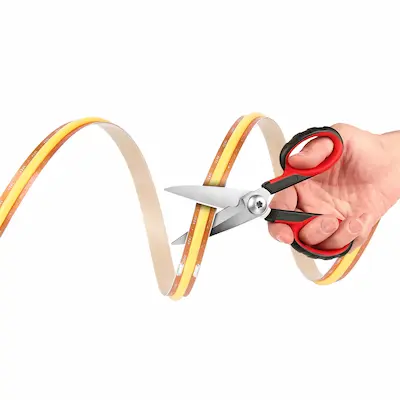
MaxCut COB Series
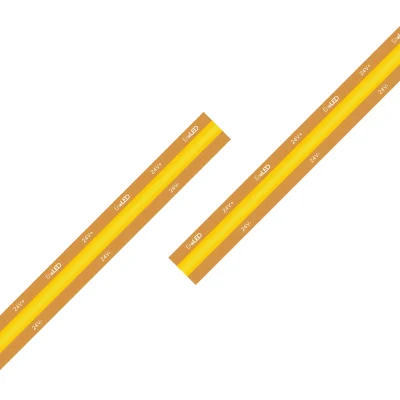
UniBasic COB Series
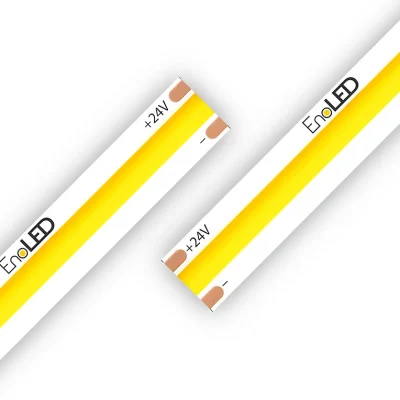
UniPlus COB Series
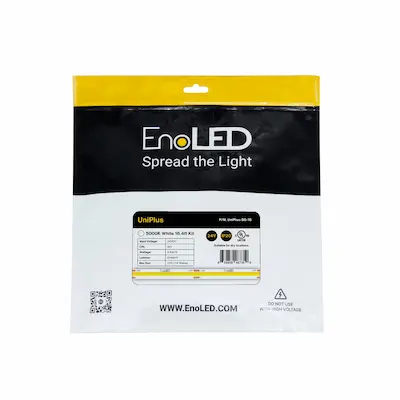
UniTape Distributors Display

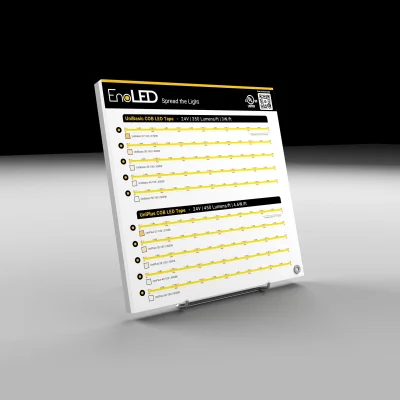
Glow67 IP67 Series
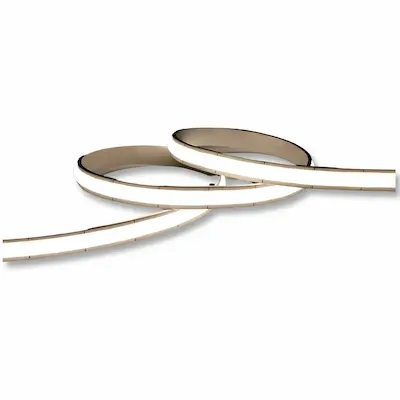
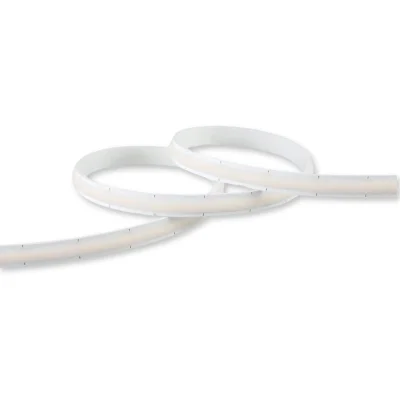
UniColor COB Series
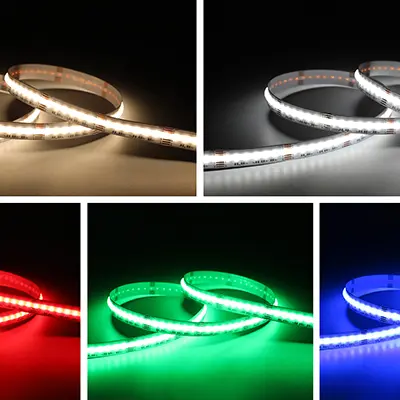


CCTPlus Tunable White
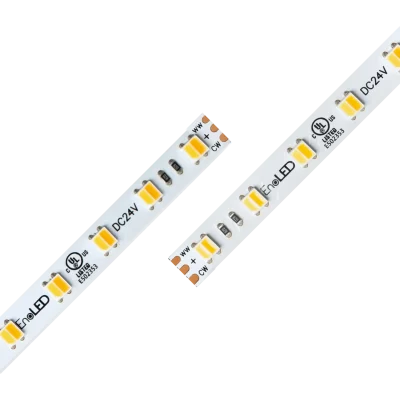

Commercial LED Lighting Solutions: Professional Guide to Specification and Implementation
The commercial lighting landscape has evolved dramatically as LED technology has matured from emerging alternative to industry standard. Commercial LED lighting solutions now dominate new construction and retrofit projects across office buildings, retail environments, industrial facilities, and institutional spaces. However, the transition from traditional lighting technologies to comprehensive LED systems involves more than simple fixture replacement. Professionals tasked with specifying and implementing commercial LED lighting solutions must navigate complex decisions involving energy codes, control integration, photometric performance, and long-term operational considerations.
Understanding how to evaluate, specify, and deploy commercial LED lighting solutions effectively is essential for architects, lighting designers, contractors, and facility managers who need to deliver projects meeting performance requirements, budget constraints, and sustainability goals.
What Are Commercial LED Lighting Solutions?
Commercial LED lighting solutions encompass integrated systems designed specifically for business, institutional, and industrial applications. Unlike residential LED products or simple lamp replacements, commercial solutions integrate fixtures, drivers, controls, sensors, and dimming protocols into cohesive systems tailored to specific building types and operational requirements.
The term “solution” distinguishes these integrated approaches from individual product selections. A complete commercial LED lighting solution addresses multiple interconnected elements including power delivery through appropriately specified drivers, control systems integration enabling dimming and occupancy-based operation, photometric performance verified through third-party testing, thermal management through engineered heat dissipation, fixture construction using commercial-grade materials, and certification with UL, DLC, and relevant energy codes.
Commercial LED lighting solutions span multiple fixture categories. Recessed troffers and panels replace fluorescent ceiling fixtures in offices and schools. Linear systems provide continuous ambient illumination integrated into architectural elements. High-bay and low-bay fixtures serve industrial and warehouse applications. Track and accent systems deliver adjustable illumination for retail and hospitality. Exterior fixtures including wall packs and area lighting address parking and building perimeters.
Each category requires specific technical evaluation based on application requirements, installation conditions, and operational parameters. The integrated approach ensures all system components work together reliably to deliver intended performance throughout the expected lifespan.
Why Commercial LED Lighting Solutions Matter for Professional Projects
The shift to commercial LED lighting solutions represents a fundamental change in how lighting systems impact building operations, energy consumption, and occupant experience.
Energy performance provides the most quantifiable benefit driving LED adoption. Quality commercial LED lighting solutions consume 50-70% less energy than the fluorescent or HID systems they replace. For a 50,000 square foot office building operating lighting 12 hours daily, converting from fluorescent to LED systems typically reduces annual lighting energy consumption by 100,000-150,000 kWh.
Beyond simple energy savings, commercial LED lighting solutions enable sophisticated control strategies amplifying efficiency gains. Daylight harvesting automatically dims fixtures as natural light becomes available, potentially reducing consumption by an additional 30-40% in well-daylit spaces. Occupancy sensors eliminate waste in intermittently occupied spaces. Task tuning adjusts ambient light levels based on space utilization.
Operational lifespan fundamentally changes maintenance planning for commercial facilities. Commercial LED lighting solutions rated for 50,000-100,000 hours operate for 11-23 years at typical commercial usage rates before reaching L70. Traditional fluorescent systems require group relamping every 3-5 years. The extended LED lifespan eliminates frequent relamping cycles, reducing material costs, labor expenses, and operational disruptions.
Power quality and electrical infrastructure impact differs significantly from legacy technologies. Commercial LED lighting solutions draw lower current, reducing electrical panel loading and potentially allowing more circuits per panel. However, proper specification remains critical as poor-quality drivers can create power quality issues.
Code compliance requirements have become increasingly stringent, with ASHRAE 90.1, California Title 24, and local amendments establishing specific requirements for lighting power density, control functionality, and documentation. Commercial LED lighting solutions provide the photometric data, control capabilities, and energy calculations necessary to demonstrate compliance.
Integration capabilities with building automation systems distinguish commercial LED lighting solutions from basic fixtures. BACnet, DALI, and 0-10V interfaces enable lighting integration with HVAC, security, and facility management systems supporting enterprise-wide energy management strategies.
Common Applications for Commercial LED Lighting Solutions
Commercial LED lighting solutions serve diverse building types, each presenting specific requirements.
Office environments represent the largest segment of commercial LED deployment. Open office areas utilize recessed troffers or linear systems providing 30-50 footcandles with minimal glare (UGR <19) to support computer work. Conference rooms benefit from dimming capabilities and tunable white options. Control integration enables scheduling, daylight harvesting, and occupancy-based operation achieving lighting power densities of 0.6-0.8 watts per square foot.
Retail applications demand commercial LED lighting solutions balancing energy efficiency with exceptional color rendering and visual appeal. General illumination provides ambient lighting while accent fixtures highlight merchandise. Color rendering becomes critical, with CRI 90-95 ensuring accurate color perception. Track systems provide flexibility to adapt lighting as merchandise and layouts change.
Industrial and warehouse facilities implement commercial LED lighting solutions addressing safety and productivity in challenging environments. High-bay fixtures replacing metal halide systems deliver 120-160 lumens per watt efficacy, instant-on operation, and improved color rendering. Motion sensors and high-low switching optimize energy use. Environmental ratings (IP65-IP67) protect fixtures in dusty or humid conditions.
Healthcare facilities require commercial LED lighting solutions meeting stringent performance requirements. Patient rooms need flicker-free operation, tunable white capabilities supporting circadian rhythms, and emergency backup integration. Clinical areas demand CRI 90+ for accurate patient assessment. Sealed fixtures and antimicrobial finishes support infection control.
Educational institutions utilize commercial LED lighting solutions creating learning environments while managing tight budgets. Classrooms benefit from uniform illumination supporting varied activities. Gymnasiums require fixtures withstanding impact. Libraries need lighting supporting both computer work and traditional reading.
Hospitality environments employ commercial LED lighting solutions delivering both operational efficiency and guest experience. Guest rooms integrate energy-saving features while maintaining comfort. Public spaces require sophisticated dimming and color tuning creating appropriate atmospheres.
Key Technical Considerations for Commercial LED Lighting Solutions
Successful specification and implementation requires attention to technical factors directly impacting performance and longevity.
Photometric performance verification through third-party testing provides the foundation for accurate design and code compliance. LM-79 testing validates lumen output, efficacy, and light distribution. Published IES files enable computer modeling predicting installed performance. Candela distribution curves show light distribution patterns essential for spacing calculations.
Driver specifications deserve careful evaluation as driver failure represents the most common cause of LED system issues. Quality commercial drivers achieve 85-92% efficiency, power factor above 0.90, and total harmonic distortion below 20%. Comprehensive protection features including overcurrent, overvoltage, thermal, and short-circuit protection ensure safe operation. Dimming compatibility with specified control protocols must be verified.
Thermal management directly impacts LED lifespan and lumen maintenance. Commercial fixtures must maintain LED junction temperatures within manufacturer specifications, typically below 85°C. Adequate heat sinking becomes critical in high-ambient-temperature applications, recessed installations, and enclosed fixtures.
Color quality encompasses both color temperature and rendering characteristics. Color temperature selection depends on application requirements—from warm (2700K-3000K) creating inviting atmospheres to neutral (3500K-4000K) supporting productivity to cool (5000K-6500K) providing bright environments. CRI quantifies how accurately colors appear, with commercial applications typically requiring CRI 80-85 and specialized environments demanding CRI 90-95.
Control system integration requires early planning and clear specification. Dimming enables atmosphere adjustment and task tuning. Occupancy sensing eliminates waste in intermittently occupied spaces. Daylight harvesting capitalizes on natural light. Scheduling enables automatic operation. Integration protocols including 0-10V, DALI, and BACnet must match building automation requirements.
Lumen maintenance characteristics determine how illumination levels change over time. Commercial LED lighting solutions should maintain L90 for at least 50,000 hours, with premium products achieving L90 at 70,000-100,000 hours. This ensures spaces remain adequately illuminated throughout the maintenance cycle.
Common Mistakes in Commercial LED Lighting Solutions Projects
Understanding frequent implementation errors enables proactive prevention.
Inadequate photometric analysis during design results in spaces that appear too dim or exhibit poor uniformity despite meeting calculated averages. Point-by-point calculations using actual fixture photometry, accurate room geometry, and appropriate maintenance factors predict installed performance accurately. Lighting calculation software using validated photometric data should inform all commercial specifications.
Mismatched driver-dimmer compatibility causes post-installation issues. Professional specifications include verified compatible combinations from manufacturer compatibility lists or require pre-installation testing before full deployment.
Insufficient driver capacity planning occurs when designers calculate LED load without adequate safety margin. Professional practice specifies drivers rated 20-30% above connected load, ensuring efficient operation and extended life.
Ignoring environmental conditions during specification leads to premature failure. Verifying ambient temperature ratings, IP ratings for moisture and dust protection, and corrosion-resistant construction prevents environmental failures.
Overlooking long-term serviceability creates unnecessary maintenance costs. Professional specifications prioritize accessible driver locations, standardized components with multiple sources, and comprehensive documentation.
Selecting Commercial LED Lighting Solutions for Your Project
Systematic evaluation ensures appropriate selection.
Define functional requirements clearly including illumination levels per IESNA recommendations, uniformity ratios, distribution patterns, glare control (typically UGR <19), and color temperature and rendering matching application needs.
Evaluate quality indicators including third-party certifications (DLC, UL, ETL), published photometric data, warranty coverage of minimum five years, manufacturer technical support availability, and documented installations in similar applications.
Assess lifecycle economics comprehensively including equipment and installation costs, energy consumption over 10-15 years, maintenance costs based on rated L70 or L90, utility rebates, and contribution to sustainability certifications.
Verify code compliance for ASHRAE 90.1, Title 24, IECC, or local requirements including lighting power density limits, mandatory control requirements, emergency egress lighting, and documentation requirements.
Define control requirements including dimming protocols compatible with building automation systems, sensor integration, scheduling capabilities, scene programming, and appropriate user interfaces.
Request comprehensive documentation including complete photometric reports, detailed specification sheets, installation instructions, warranty terms, and maintenance recommendations.
Conclusion
Commercial LED lighting solutions have evolved from emerging technology to established standard, offering compelling advantages in energy efficiency, operational lifespan, control capabilities, and total cost of ownership. However, realizing these benefits requires understanding that commercial LED systems comprise integrated solutions demanding careful specification, proper installation, and thorough commissioning.
Success depends on systematic evaluation of photometric performance, driver quality, thermal management, control integration, and lifecycle economics. Avoiding common mistakes through adequate capacity planning, compatibility verification, environmental analysis, and serviceability planning ensures projects meet performance expectations and deliver value throughout their operational lifespan.
The framework outlined in this guide provides professionals with a systematic approach to specifying and implementing commercial LED lighting solutions that serve project goals reliably while supporting sustainability objectives and operational efficiency.