
Custom LED lighting systems
- Home /
- Learning Center /
- Custom LED lighting systems
LED Tape Lights
MaxCut COB Series
UniBasic COB Series
UniPlus COB Series
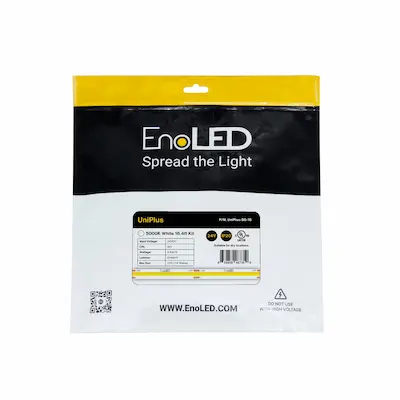
UniTape Distributors Display

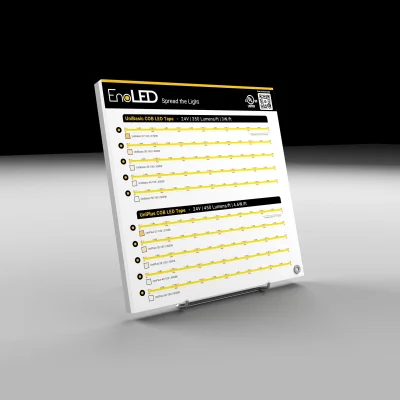
Glow67 IP67 Series
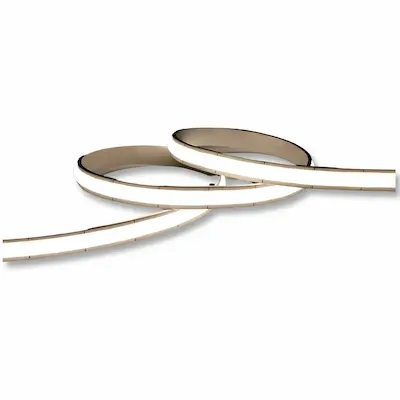
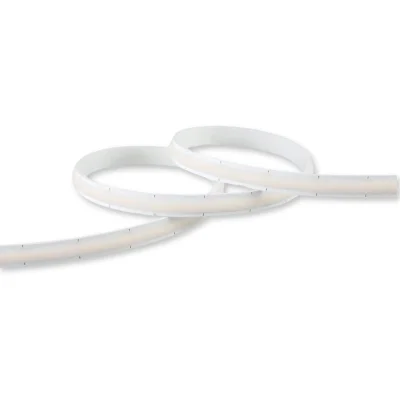
UniColor COB Series


CCTPlus Tunable White
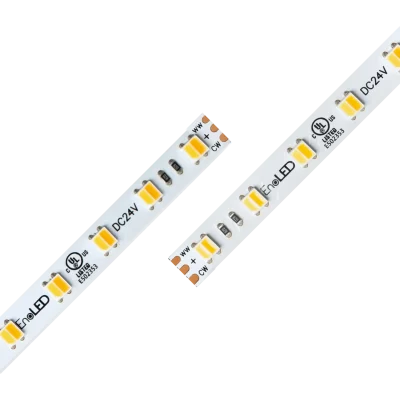

Custom LED Lighting Systems: Professional Guide to Specification and Implementation
The demand for custom LED lighting systems has grown substantially as architects, designers, and building owners recognize that standardized fixtures cannot address every project requirement. While catalog products serve many applications effectively, complex architectural visions, unique spatial constraints, brand-specific requirements, and specialized performance criteria often necessitate engineered solutions tailored to specific project needs. Custom LED lighting systems enable professionals to deliver installations that align precisely with design intent, operational requirements, and technical specifications that off-the-shelf products cannot satisfy.
Understanding when custom LED lighting systems represent the appropriate solution, how to specify them effectively, and what technical considerations govern successful implementation is essential for professionals working on distinctive commercial, institutional, and architectural projects.
What Are Custom LED Lighting Systems?
Custom LED lighting systems are engineered lighting solutions designed and manufactured specifically to meet unique project requirements that standard catalog products cannot address. These systems range from modified standard fixtures adapted to specific mounting conditions or performance requirements to fully bespoke designs created from first principles to satisfy distinctive architectural, functional, or aesthetic objectives.
The distinction between custom and standard products lies in the degree of specification flexibility and engineering involvement. Custom LED lighting systems provide extensive flexibility including precise dimensional requirements matching architectural details, specific photometric performance tailored to application needs, unique form factors integrating with architectural elements, specialized materials and finishes coordinating with design aesthetics, custom optics delivering required light distribution, integrated control capabilities addressing specific operational requirements, and environmental ratings meeting unusual installation conditions.
Custom LED lighting systems encompass several categories based on customization extent. Modified standard products adapt catalog fixtures through dimensional adjustments, custom finishes, modified mounting hardware, specific driver configurations, or unique optical distributions while leveraging existing fixture platforms reducing engineering time and cost.
Engineered custom solutions create new fixture designs addressing specific project requirements involving custom mechanical design, thermal engineering, optical design and photometric validation, driver integration and electrical engineering, and comprehensive testing and certification.
Integrated architectural systems embed LED lighting within building elements including millwork, ceiling systems, handrails, or facades. These installations require close collaboration between lighting designers, architects, and manufacturers to ensure successful integration addressing both aesthetic and technical requirements.
Why Custom LED Lighting Systems Matter for Professional Projects
Custom LED lighting systems address challenges and opportunities that standardized products cannot accommodate.
Design differentiation represents a primary driver for custom LED lighting systems in competitive markets. Hotels, retail flagship stores, corporate headquarters, and cultural institutions use distinctive lighting as a differentiating element establishing brand identity and creating memorable experiences. Custom systems enable unique visual signatures impossible with catalog products.
Architectural integration requirements often necessitate custom LED lighting systems when building design incorporates lighting within architectural elements. A continuous linear cove detail with specific dimensional constraints, material requirements, and photometric performance may require custom engineering to achieve design intent.
Performance requirements beyond standard product capabilities drive custom system development. Applications requiring unusual beam spreads, extreme dimming ranges, specialized color rendering, precise photometric control, or environmental protection exceeding standard ratings may necessitate custom engineering. High-end retail installations demanding CRI 98+ with carefully controlled spectral output exemplify performance-driven customization.
Site-specific constraints including unusual mounting conditions, dimensional limitations, structural restrictions, or accessibility challenges can make standard fixtures impractical or impossible to install effectively. Custom LED lighting systems engineered for specific site conditions ensure successful installation and optimal performance.
Long-term value and operational requirements influence custom system specifications for projects where lifecycle costs, maintenance accessibility, or operational flexibility justify the investment in engineered solutions. A custom system designed for specific serviceability and long-term availability may deliver superior lifecycle economics despite higher initial costs.
Applications and Use Cases for Custom LED Lighting Systems
Custom LED lighting systems serve diverse applications where standardized products cannot deliver required performance or integration.
Luxury retail environments frequently require custom LED lighting systems addressing brand-specific aesthetic requirements, exceptional color rendering for merchandise presentation, precise beam control highlighting products, integrated dimming and color tuning, and distinctive design elements reinforcing brand identity.
Hospitality projects utilize custom LED lighting systems creating signature design elements and operational efficiency. Custom lobby chandeliers, linear systems integrated within reception desks, guest room headwall assemblies, and architectural facade lighting establishing nighttime presence all exemplify hospitality customization.
Corporate headquarters employ custom LED lighting systems reinforcing corporate identity while addressing workplace performance requirements. Custom suspended linear systems with integrated acoustic panels, boardroom fixtures providing videoconference-optimized illumination, and building facade illumination coordinating with corporate colors represent common corporate applications.
Museums and galleries require custom LED lighting systems meeting conservation and curatorial requirements. Custom track systems with specialized optics, precise dimming, UV filtering, and specific spectral output protect artwork while enabling effective display.
Healthcare facilities implement custom LED lighting systems addressing clinical requirements and patient experience. Custom surgical lighting meeting specific performance criteria, patient room headwalls integrating examination lighting with ambient and reading lights, and specialized imaging room fixtures demonstrate healthcare customization drivers.
Transportation facilities including airports, transit stations, and parking structures utilize custom LED lighting systems addressing scale, environmental conditions, and operational requirements. Custom high-bay fixtures engineered for specific mounting heights and coverage areas exemplify transportation applications.
Key Technical Considerations for Custom LED Lighting Systems
Successful custom LED lighting system specification and implementation requires attention to technical factors that differ from standard product selection.
Photometric requirements must be precisely defined as custom systems are engineered to specific performance criteria. Required illumination levels and uniformity, beam spread and light distribution, candlepower distribution for spacing calculations, glare control through cutoff angles, and color temperature and rendering specifications all require detailed specification. Vague requirements lead to systems that fail to meet expectations.
Thermal engineering becomes critical for custom LED lighting systems as heat dissipation directly impacts performance and lifespan. Custom fixtures require thermal analysis validating that LED junction temperatures remain within specifications, adequate heat sinking appropriate to installation conditions, thermal modeling predicting performance in actual operating environments, and testing verifying thermal performance under maximum load.
Optical design determines whether custom systems deliver intended light distribution. Custom optics including lenses, reflectors, or specialized optical components must be engineered, prototyped, and validated through photometric testing. Computer modeling predicts optical performance, but physical prototypes verified through laboratory testing ensure specifications are met.
Electrical and driver integration requires careful specification ensuring compatibility, reliability, and compliance. Driver selection matching LED load and desired dimming performance, power supply location addressing serviceability, wiring requirements and voltage drop calculations, control integration supporting specified dimming protocols, and protection features all require engineering attention.
Mechanical design and construction address structural requirements, mounting methods, material selection, and finish specifications. Custom fixtures must withstand installation stresses, environmental conditions, and operational demands throughout their expected lifespan.
Testing and certification requirements for custom LED lighting systems differ from standard products. Custom systems typically require photometric testing validating light output and distribution, thermal testing verifying operating temperatures, electrical safety testing for UL or ETL listing, environmental testing for IP ratings if required, and compliance testing for energy codes.
Manufacturing and quality control considerations impact custom system success. Prototype development validating design before production, manufacturing process capability ensuring consistent quality, quality control procedures during production, and component sourcing ensuring long-term availability all require attention.
Common Mistakes in Custom LED Lighting Systems Projects
Understanding frequent errors in custom system projects enables proactive avoidance.
Inadequate requirements definition at project outset leads to systems failing to meet expectations or requiring costly revisions. Comprehensive specifications documenting photometric performance requirements, dimensional constraints, environmental conditions, control integration needs, aesthetic requirements, and budget parameters provide the foundation for successful custom development.
Unrealistic timeline expectations cause rushed engineering, inadequate testing, or delayed installations. Custom LED lighting systems require design engineering, prototype development, testing and certification, tooling and manufacturing setup, and production and quality control. Typical custom system timelines span 12-20 weeks from final specification approval to delivery.
Insufficient prototype validation leads to production systems failing to meet requirements. Physical prototypes installed in representative conditions reveal performance issues, installation challenges, or aesthetic concerns that computer models cannot fully predict.
Neglecting long-term serviceability creates maintenance challenges and excessive lifecycle costs. Custom systems should address driver accessibility for eventual replacement, component standardization enabling future sourcing, and design enabling service without damage to finished surfaces.
Inadequate manufacturing partner selection results in quality issues, timeline delays, or unsupported products. Qualified custom lighting manufacturers demonstrate engineering capabilities, manufacturing quality control systems, testing and certification resources, and post-installation support commitment.
Selecting Custom LED Lighting Systems for Your Project
Determining when custom systems are appropriate and how to specify them effectively ensures project success.
Evaluate whether customization is necessary by assessing if standard products can meet requirements with minor modifications, whether design intent requires truly custom solutions, if performance requirements exceed standard product capabilities, whether site constraints prevent standard product installation, and if lifecycle value justifies custom development investment.
Define requirements comprehensively through detailed performance specifications, dimensional drawings with tolerances, finish and material specifications, control integration requirements, environmental and operational conditions, installation constraints, maintenance expectations, and budget parameters. Complete specifications enable accurate engineering and pricing.
Select qualified manufacturing partners by evaluating engineering and design capabilities, manufacturing quality control systems, testing and certification resources, project management and timeline reliability, communication approaches, warranty and post-installation support, and references from similar projects.
Plan realistic timelines accounting for requirements definition, engineering design, prototype development and validation, testing and certification, tooling and manufacturing setup, production and quality control, and shipping and installation coordination.
Budget appropriately recognizing that custom LED lighting systems involve engineering and design costs, prototype development and testing expenses, custom tooling and setup costs, and manufacturing and quality control. Custom systems typically cost 50-200% more than comparable standard products depending on customization extent.
Document and communicate clearly through detailed specifications, drawings, and photographs illustrating requirements, regular communication during development, prototype review and approval processes, installation coordination, and comprehensive as-built documentation.
Conclusion
Custom LED lighting systems enable professionals to deliver projects that standardized catalog products cannot serve effectively. Whether addressing unique architectural integration requirements, achieving specific performance criteria, reinforcing brand identity through distinctive design, or optimizing for specialized applications, custom systems provide the flexibility necessary for complex projects.
Success with custom LED lighting systems requires understanding when customization represents the appropriate solution, defining requirements comprehensively enabling accurate engineering, selecting qualified manufacturing partners with demonstrated capabilities, planning realistic timelines accounting for engineering and testing, and budgeting appropriately for the value custom systems deliver.
The systematic approach outlined in this guide provides professionals with a framework for successful custom LED lighting system specification and implementation. When properly executed, custom systems deliver lighting solutions that enhance architectural vision, satisfy exacting performance requirements, and provide long-term value impossible to achieve with standard products.