
LED strip
- Home /
- Learning Center /
- LED strip
LED Tape Lights
MaxCut COB Series
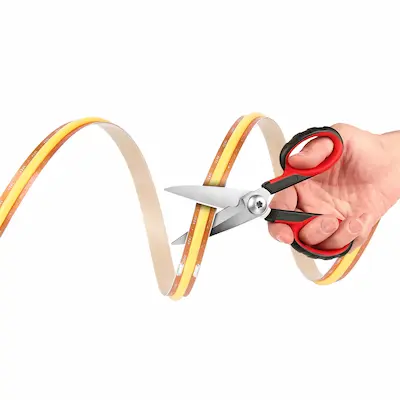
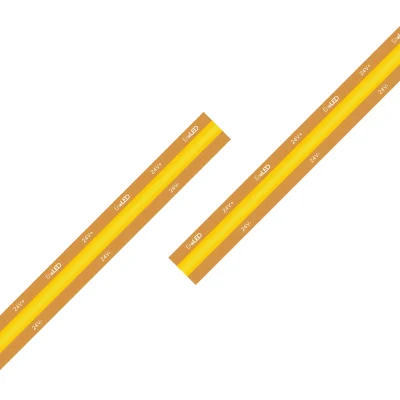
UniBasic COB Series
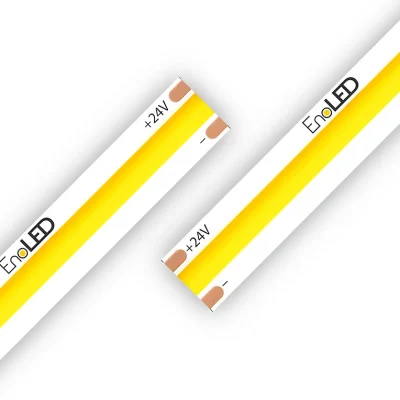
UniPlus COB Series
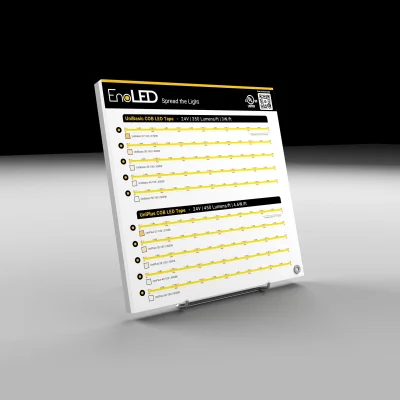
UniTape Distributors Display
Glow67 IP67 Series
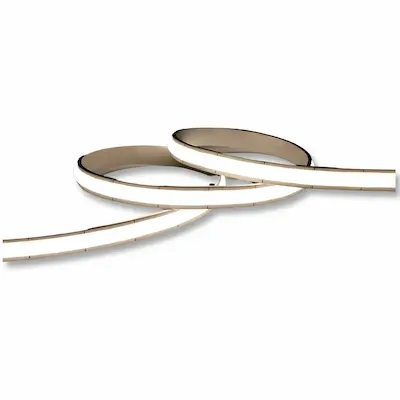
UniColor COB Series


CCTPlus Tunable White
96 LED Strip: Complete Guide to High-Density LED Strip Lighting
LED strip lighting has revolutionized modern illumination, offering unprecedented flexibility, energy efficiency, and creative possibilities. Among the various configurations available, 96 LED strip refers to LED strips with 96 individual LED chips per meter (or approximately 29 LEDs per foot), representing a high-density configuration that delivers exceptional brightness and uniform illumination. This comprehensive guide explores everything you need to know about 96 LED strips, from technical specifications to installation best practices and creative applications.
Understanding 96 LED Strip Lighting
The term “96 LED strip” specifically refers to the LED density—the number of individual LED chips mounted per meter of flexible circuit board. With 96 LEDs per meter, these strips fall into the high-density category, offering significantly more light output and smoother, more continuous illumination compared to standard-density strips.
Standard-density LED strips typically contain 30 or 60 LEDs per meter. These work well for general ambient lighting and applications where individual LED spots aren’t problematic. Medium-density strips feature 72-84 LEDs per meter, providing a middle ground between economy and performance.
High-density strips like the 96 LED configuration offer superior brightness, eliminate visible individual LED “dots” even at close viewing distances, create smoother, more continuous light lines, and provide more uniform illumination without dark spots between LEDs.
The 96 LED per meter density strikes an excellent balance between performance and cost. It provides professional-quality illumination suitable for close-viewing applications without the premium price of ultra-high-density strips with 120+ LEDs per meter
Advantages of 96 LED Strips
Superior Brightness: With 96 individual light sources per meter, these strips produce substantially more light output than standard 30 or 60 LED strips. Typical 96 LED strips deliver 800-1200 lumens per meter depending on LED type and power consumption. This brightness suits task lighting, display lighting, and applications requiring significant illumination rather than just accent effects.
Uniform Illumination: The closer LED spacing in 96 LED strips creates remarkably smooth, continuous light without visible individual LED spots. When viewed directly or reflected in surfaces, the light appears as a solid, uniform line rather than a series of distinct points. This professional appearance is essential for high-end installations, commercial displays, retail environments, and any application where the strip might be visible.
Better Light Distribution: More LEDs per meter means more uniform light distribution along the strip’s length and better coverage of illuminated surfaces. In under-cabinet lighting, for example, 96 LED strips provide more even countertop illumination without the bright-dim pattern sometimes visible with lower-density strips.
Professional Appearance in Channels: When installed in aluminum channels with diffuser covers, 96 LED strips create beautiful, continuous light bars that rival commercial light fixtures in appearance. The high density ensures the diffuser glows uniformly without visible individual LED bright spots showing through
Technical Specifications
Power Consumption: Power consumption for 96 LED strips varies based on LED type and configuration. Typical ranges include standard white 96 LED strips at 12-16 watts per meter, high-output white strips at 18-24 watts per meter, RGB color-changing strips at 18-28 watts per meter, and RGBW/RGBWW strips at 24-32 watts per meter.
Voltage Options: 12V strips are common and compatible with widespread 12V power supplies, but have shorter maximum run lengths before voltage drop causes dimming (typically 10-16 feet). 24V strips allow longer runs before voltage drop becomes problematic (typically 20-32 feet), offer slightly higher efficiency, and are better suited for commercial installations.
Color Temperature Options: White LED strips in 96 LED density are available in warm white (2700K-3000K) for cozy ambiance, neutral white (3500K-4500K) for balanced lighting, and cool white (5000K-6500K) for bright, energizing illumination.
Color Options: Beyond white, 96 LED strips are available in single colors, RGB strips for millions of color combinations, RGBW strips adding dedicated white LEDs, and RGBWW strips with both RGB and warm/cool white for maximum versatility.
IP Ratings: IP20 (non-waterproof) for dry indoor locations, IP65 (splash-resistant) with silicone coating, IP67 (waterproof) fully sealed for outdoor use, and IP68 (submersible) for continuous underwater operation
Installation Considerations
Power Requirements: The higher LED density means greater power consumption per meter. Calculate total wattage carefully before selecting a power supply. For example, a 16W per meter strip at 5 meters requires 80 watts minimum. Add 20-30% overhead capacity, so select a 100-110 watt driver.
Voltage Drop Management: Higher power consumption makes voltage drop more significant. For 12V systems, implement power injection every 10-16 feet of strip. For 24V systems, power injection every 20-32 feet maintains brightness. Power injection means connecting power at multiple points along the strip rather than just one end.
Thermal Management: 96 LED strips generate more heat than lower-density strips. Install strips on surfaces that dissipate heat well—avoid mounting on insulation or heat-sensitive materials. Aluminum channels provide excellent heat dissipation while creating professional-looking installations. Ensure adequate airflow around the installation.
Cutting and Reconnection: Like all LED strips, 96 LED strips can only be cut at designated cutting points marked with scissor icons and copper pads. Due to the higher LED density, cutting points appear more frequently—typically every 3 LEDs (approximately 1-1.25 inches) on 12V strips and every 6 LEDs (approximately 2-2.5 inches) on 24V strips
Applications for 96 LED Strips
Under-Cabinet Lighting: Kitchen and bathroom under-cabinet lighting benefits enormously from 96 LED density. The uniform, bright illumination provides excellent task lighting without visible individual LED spots. When installed in aluminum channels with diffusers, the result rivals dedicated under-cabinet fixtures.
Display and Retail Lighting: Museums, galleries, jewelry stores, and retail displays use 96 LED strips to highlight merchandise and artwork with professional-quality illumination. The uniform light distribution ensures products appear consistently lit without hotspots or dim areas.
Architectural Cove Lighting: Cove lighting and indirect architectural illumination require uniform brightness to create smooth, professional effects. 96 LED strips provide the light output and uniformity necessary for these applications, particularly in commercial and high-end residential installations.
Signage and Backlighting: Illuminated signs and backlit displays require even light distribution to ensure uniform appearance. 96 LED strips excel at these applications, providing consistent brightness across large surfaces.
Commercial and Hospitality: Hotels, restaurants, offices, and commercial spaces use 96 LED strips for ambient lighting, accent lighting, and decorative installations. The professional appearance and reliable performance justify the higher cost in commercial environments.
Entertainment and Stage Lighting: Stage productions, DJ booths, and entertainment venues use high-density LED strips for dynamic lighting effects. RGB and RGBW 96 LED strips provide vibrant colors and smooth color transitions
Selecting the Right 96 LED Strip
Determine Required Brightness: Calculate lumens needed based on application. Task lighting requires 300-500 lumens per square meter. Ambient lighting needs 100-300 lumens per square meter. Accent lighting uses 50-150 lumens per square meter.
Choose Appropriate Color Temperature: For residential kitchens and living areas, warm white (2700K-3000K) creates inviting ambiance. For offices and workspaces, neutral to cool white (4000K-5000K) provides energizing illumination.
Consider Dimming Needs: If brightness adjustment is important, select dimmable strips and compatible drivers. Verify the dimming protocol matches your chosen dimmer.
Evaluate Environmental Requirements: Indoor dry locations require only IP20 strips. Bathrooms, kitchens, and covered outdoor areas need IP65 minimum. Fully outdoor installations require IP67.
Budget Considerations: 96 LED strips cost 50-100% more than standard 30 or 60 LED strips due to higher component count. However, the superior performance often justifies the investment for professional applications
Frequently Asked Questions
What does “96 LED strip” mean? It refers to LED strips with 96 individual LED chips per meter of length, representing a high-density configuration that provides bright, uniform illumination with minimal visible individual LED spots.
How bright are 96 LED strips compared to standard strips? 96 LED strips are typically 50-100% brighter than standard 60 LED strips, producing 800-1200 lumens per meter versus 400-600 lumens for standard strips.
Can I cut 96 LED strips to custom lengths? Yes, but only at designated cutting points marked with scissor icons and copper pads. Cutting points appear more frequently—every 1-2.5 inches depending on voltage.
Do 96 LED strips require special power supplies? They require appropriately sized power supplies matching their higher power consumption. A 16W per meter strip requires larger power supplies than a standard 7-8W per meter strip.
Are 96 LED strips worth the extra cost? For applications where light quality matters—under-cabinet lighting, display lighting, architectural applications, and professional installations—the superior brightness and uniformity justify the 50-100% price premium.
How do I prevent voltage drop with 96 LED strips? Implement power injection every 10-16 feet for 12V strips or every 20-32 feet for 24V strips. This means connecting power at multiple points along the strip.
Do 96 LED strips generate more heat? Total heat generation is higher due to more LEDs, but heat is distributed more evenly. Proper thermal management using aluminum mounting channels is recommended, especially for high-power strips.
Can 96 LED strips be dimmed? Yes, when paired with dimmable LED drivers and compatible dimmers. Verify the dimming protocol matches between the driver and dimmer for proper operation
Summary
LED strips represent a high-density LED configuration offering 96 LEDs per meter, delivering exceptional brightness, uniform illumination, and professional appearance. With light output typically ranging from 800-1200 lumens per meter, these strips significantly outperform standard-density alternatives.
The closer LED spacing eliminates visible individual LED spots, creating smooth, continuous light lines essential for professional installations. This superior performance makes 96 LED strips ideal for under-cabinet lighting, display and retail applications, architectural cove lighting, commercial installations, and any application where light quality matters.
Key considerations include higher power consumption requiring robust power supplies, voltage drop management through power injection, thermal management using aluminum channels, and appropriate IP rating selection. While 96 LED strips cost 50-100% more than standard strips, the superior brightness, uniformity, and professional appearance justify the investment for quality-conscious applications
Customer Testimonials