
LED wiring and connectors
- Home /
- Learning Center /
- LED wiring and connectors
8mm Tape Connectors

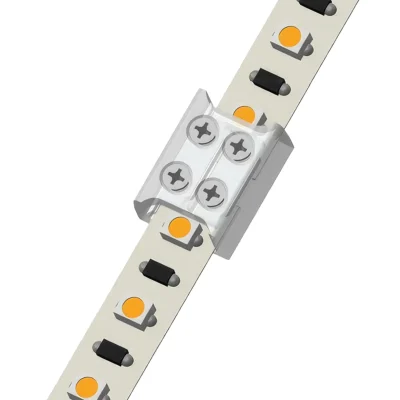
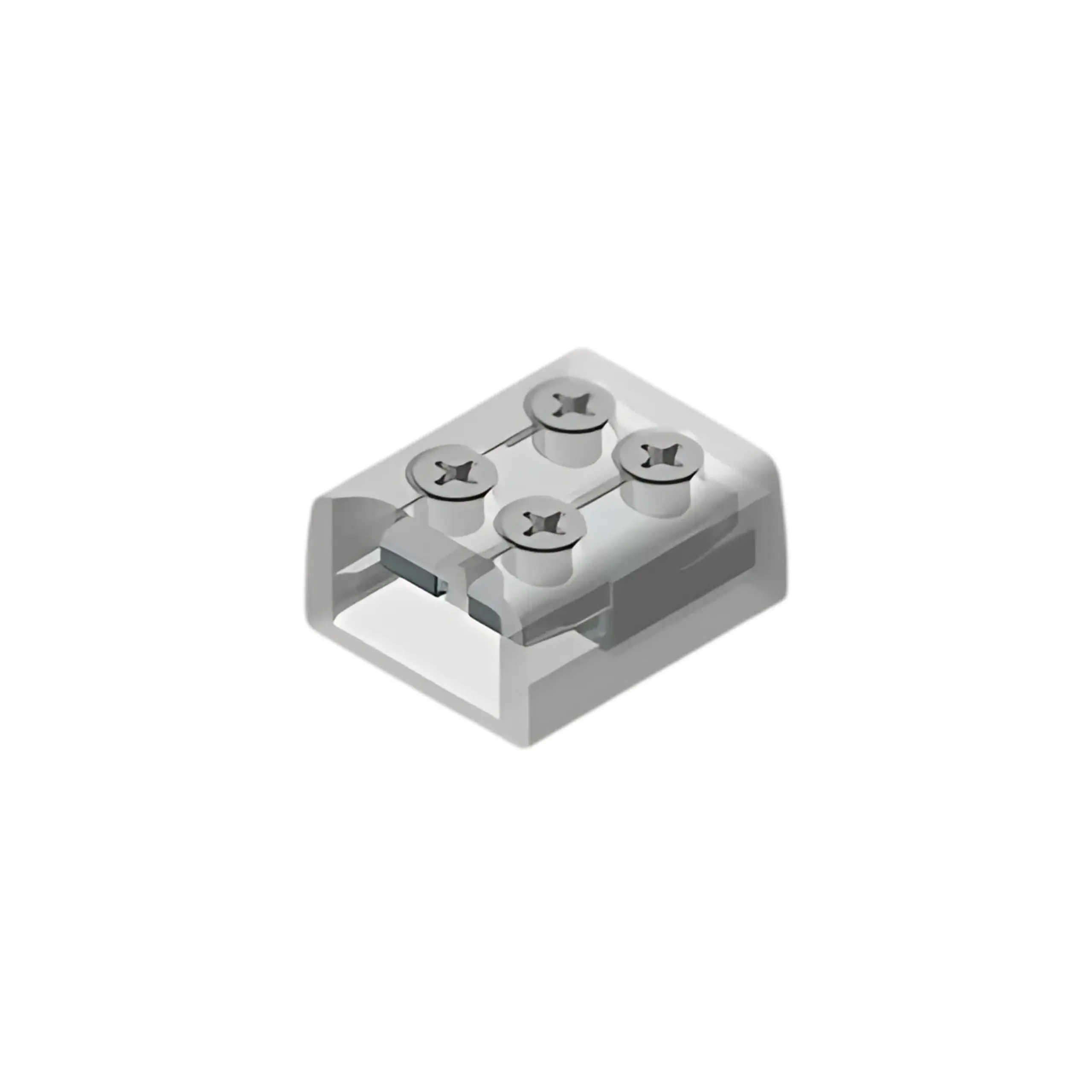
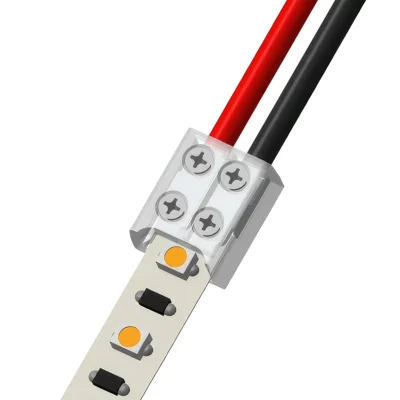

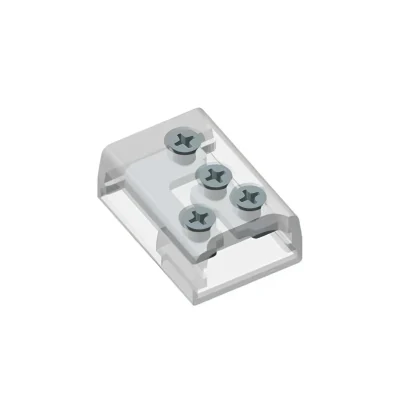
10mm Tape Connectors


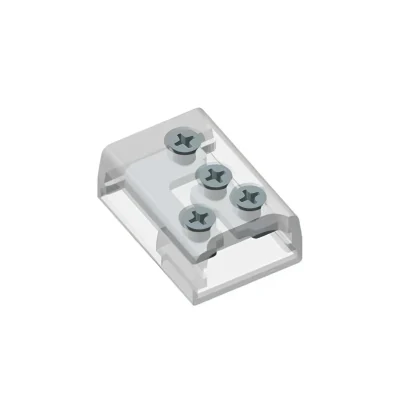
12mm Glow67 Tape Connectors
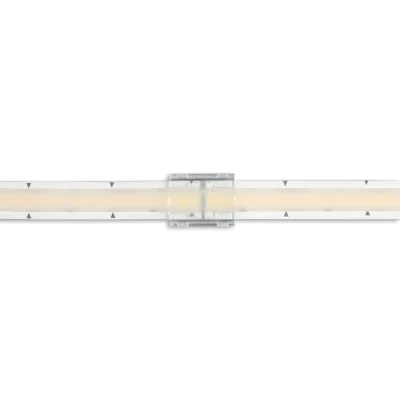
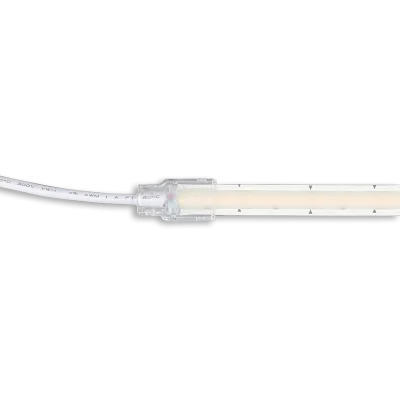
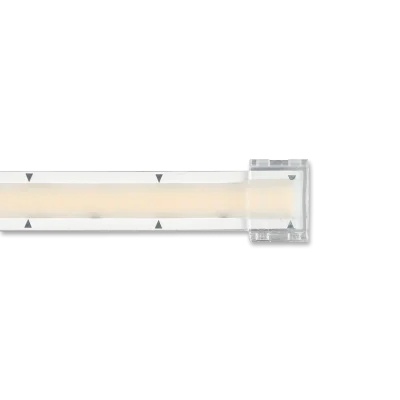
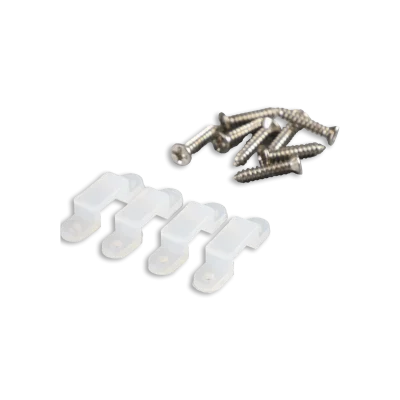
12mm UniColor Tape Connectors
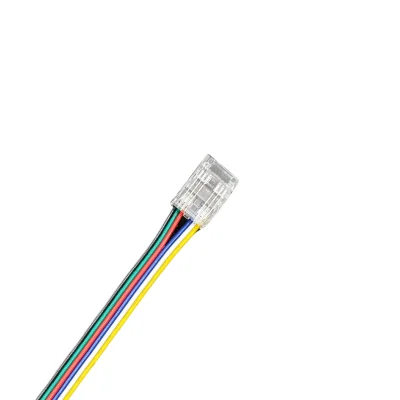
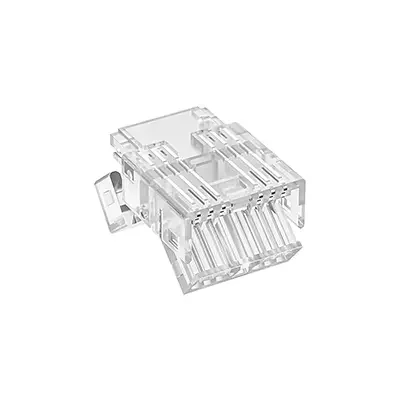
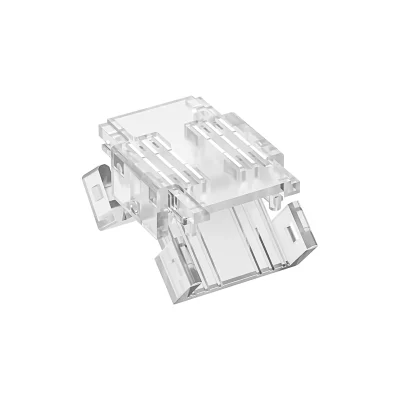
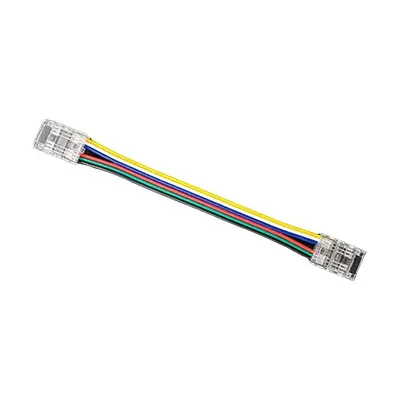
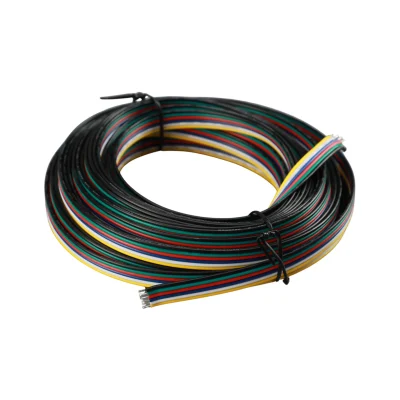
14mm UniColor IP67 Tape Connectors
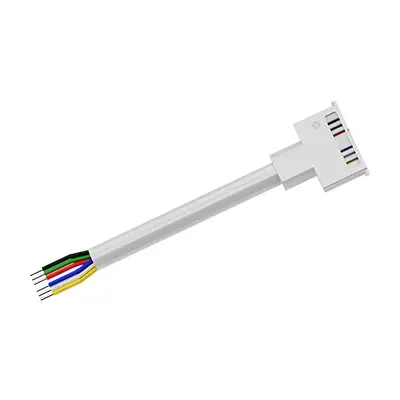
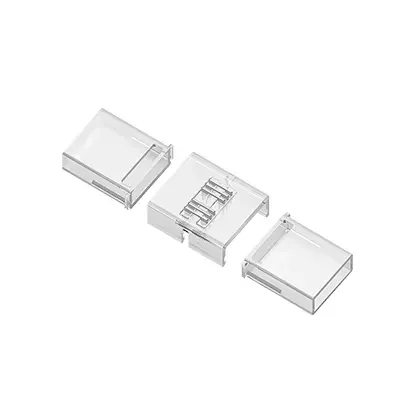
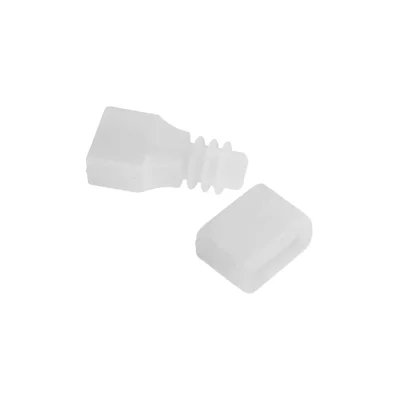
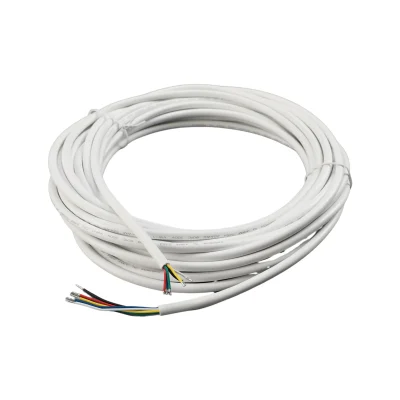
10mm CCTPlus Connectors
2 Pin Wire Spools

LED Wiring and Connectors: Professional Guide to Specification and Installation
LED wiring and connectors represent critical yet frequently underspecified components in professional lighting installations, directly affecting system reliability, installation efficiency, and long-term maintenance costs. While LED fixtures themselves receive considerable specification attention, the interconnection methods—wires, cables, connectors, and termination techniques—often become afterthoughts addressed through field decisions rather than design intent. This approach creates unnecessary installation challenges, introduces failure points, and complicates future maintenance in applications ranging from architectural cove lighting to complex retrofit projects. For architects, lighting designers, contractors, and project managers, understanding LED wiring and connectors as integral system components rather than generic electrical accessories enables specification decisions that ensure reliable operation, streamline installation, and support long-term serviceability across diverse commercial and architectural applications.
What Are LED Wiring and Connectors?
LED wiring and connectors encompass the complete set of conductors, cable assemblies, and connection devices that deliver power and control signals between LED drivers, control systems, and LED light sources. Unlike line-voltage AC wiring to conventional fixtures, LED systems typically operate at low voltages (12V, 24V, 48V DC) with specific current characteristics requiring appropriate conductor sizing, insulation ratings, and connection methods.
The LED wiring and connectors ecosystem comprises several distinct categories serving different functions. Power supply wiring delivers AC mains voltage from electrical panels to LED drivers, following standard electrical code requirements for conductor sizing, insulation, and installation methods. This conventional electrical wiring connects to driver input terminals through various means including screw terminals, wire nuts, or push-in connectors depending on driver design and local code requirements.
Low-voltage DC wiring carries regulated power from LED drivers to LED fixtures, strips, or modules. This represents the most application-specific category of LED wiring and connectors, with conductor sizing critically important due to voltage drop considerations at low voltages. Wire gauge must accommodate both current requirements and distance to maintain acceptable voltage drop—typically limited to 3-5% to prevent visible dimming at circuit ends.
Control wiring transmits dimming signals between control devices and dimmable LED drivers. Requirements vary dramatically based on protocol—0-10V dimming needs simple two-conductor cable, DALI requires twisted-pair data cable, DMX uses specialized entertainment-industry cabling, and wireless systems eliminate control wiring entirely. Proper control wire selection and installation prevents interference and ensures reliable dimming performance.
Connectors enable field connections between wiring and LED devices or between wiring segments. LED wiring and connectors include multiple connection technologies: soldered connections provide most reliable permanent joints for fixed installations, solderless compression connectors enable tool-based connections without soldering, quick-connect or plug-in connectors allow rapid field installation and future disconnection, wire nuts and terminal blocks serve general-purpose wiring connections, and specialized LED strip connectors address flexible circuit applications.
Why LED Wiring and Connectors Matter for Professional Projects
Appropriate specification of LED wiring and connectors directly impacts project success across installation efficiency, system reliability, and lifecycle costs in ways that generic “use appropriate wiring” specifications fail to address.
Installation efficiency improvements through proper LED wiring and connectors selection reduce labor costs and project timelines. Pre-fabricated cable assemblies with installed connectors eliminate field termination labor, standardized connector types enable consistent installation techniques, quick-connect systems reduce installation time compared to soldering or crimping, and clear specifications prevent field delays from uncertain connection methods.
For contractors installing hundreds of LED fixtures or dozens of linear meters of LED strip lighting, proper LED wiring and connectors selection can reduce installation labor by 30-50% compared to field-fabricated solutions requiring individual wire stripping, tinning, soldering, and insulation.
System reliability depends fundamentally on connection quality. Poor connections represent the primary failure mode in LED lighting systems—far more common than LED or driver failures. Quality LED wiring and connectors with appropriate current ratings, proper contact pressure, and environmental protection prevent the intermittent failures, overheating, and complete circuit opens that plague poorly connected systems.
Professional installations must survive decades of thermal cycling, vibration, and environmental exposure. Connection methods appropriate to these conditions ensure long-term reliability rather than callbacks and warranty claims.
Voltage drop management in low-voltage LED systems demands appropriate conductor sizing that generic electrical calculations may not address adequately. At 12V or 24V DC, the same current that barely creates voltage drop at 120V AC produces significant voltage drop requiring substantially heavier conductors. Proper LED wiring and connectors specification includes wire gauge selection based on actual voltage, current, and distance calculations ensuring uniform brightness across installations.
Serviceability and maintenance considerations influence LED wiring and connectors selection in professional applications where future access, troubleshooting, and component replacement are inevitable. Labeled connectors enable rapid circuit identification, plug-in connections allow fixture replacement without rewiring, standardized components ensure replacement availability, and documented connection methods support future service by different contractors.
Code compliance and safety requirements apply to LED wiring and connectors despite low-voltage operation. While Class 2 low-voltage DC circuits have relaxed requirements compared to line voltage, installations must still meet applicable codes regarding wire insulation ratings for temperature and environment, proper connector current ratings, listed components where required, and appropriate installation methods for location.
Applications and Use Cases for LED Wiring and Connectors
LED wiring and connectors serve diverse professional lighting applications, each presenting specific technical requirements and connection challenges.
LED strip and linear system installations represent perhaps the most demanding applications for LED wiring and connectors. Architectural cove lighting, under-cabinet installations, and linear accent applications require connections at regular power injection points (every 5-16 feet for 12V, 10-32 feet for 24V depending on wattage), field cuts accommodating exact architectural dimensions, waterproof connections for exterior or wet location applications, and often concealed installation within narrow channels or reveals.
Professional LED strip installations specify appropriate connectors for the application—soldered connections for permanent high-reliability installations, compression or crimp connectors for reliable field connections, or quick-connect systems balancing installation speed with reliability. Waterproof applications require IP65-IP68 rated connectors with proper sealing against moisture intrusion.
Downlight and fixture installations employ LED wiring and connectors ranging from simple wire nuts connecting driver output to fixture leads, through twist-lock or lever-nut connectors enabling tool-free connections, to specialized quick-disconnect plugs supporting rapid fixture installation and future replacement. High-bay and outdoor fixtures often specify sealed connectors or strain-relief methods protecting connections from vibration and environmental exposure.
Track lighting systems utilize standardized track-to-fixture connectors but require LED wiring and connectors between track sections, power feed points, and drivers. Proper specification ensures track segments connect securely with adequate current capacity and proper polarity maintenance across installations.
Retrofit and renovation projects particularly benefit from thoughtful LED wiring and connectors specification. Existing junction boxes, wire gauges, and connection accessibility constrain retrofit designs. Specifying LED drivers with compatible input connection methods, output cables with appropriate length and connector types, and future-access considerations enables successful retrofits within existing conditions.
Outdoor and landscape lighting applications employ LED wiring and connectors designed for environmental exposure including UV-resistant cable insulation, waterproof connector systems rated IP67-IP68, corrosion-resistant contact materials, and burial-rated cables where direct-buried installation is required. These applications demand higher specification standards than interior lighting to ensure long-term reliability in challenging conditions.
Key Technical Considerations for LED Wiring and Connectors
Successful LED wiring and connectors specification requires addressing electrical, environmental, and installation factors determining performance and reliability.
Wire gauge selection for low-voltage DC circuits follows different criteria than AC wiring due to voltage drop significance at lower voltages. Professional practice calculates required wire gauge based on total current (LED load in watts divided by system voltage), circuit length from driver to furthest fixture, acceptable voltage drop (typically 3-5%), and wire resistance per foot for candidate gauges.
For example, a 72W LED strip installation at 12V drawing 6A over 15 feet might require 14 AWG wire to maintain voltage drop under 5%, while the same 72W at 24V drawing 3A could use 16 AWG wire. Generic electrical code minimum requirements for circuit protection may permit much smaller conductors but inadequate for maintaining proper LED brightness.
Connector current ratings must meet or exceed circuit current with appropriate derating for temperature and installation conditions. A connector rated for 10A at 25°C ambient may derate to 7-8A in elevated temperature conditions common in enclosed cove installations. Professional specifications should verify connector ratings under actual operating conditions rather than relying solely on nominal ratings.
Environmental protection requirements vary dramatically across applications. Interior dry locations may use standard connectors with no particular ingress protection. Damp or wet locations require IP65-IP67 rated connectors protecting against water intrusion. Outdoor or submersible applications demand IP68 ratings. Corrosive environments including coastal locations or industrial facilities need corrosion-resistant materials.
Specifying incorrect environmental protection creates either over-specification increasing costs unnecessarily or under-specification leading to premature failures.
Polarity maintenance in DC wiring prevents incorrect connections that may damage LEDs or create safety hazards. LED wiring and connectors should employ keyed connectors preventing reverse connection, consistent color coding (red positive, black negative being most common), clear polarity markings on all connection points, and installation documentation showing correct polarity throughout the system.
Strain relief and mechanical protection prevent connection failures from wire movement, vibration, or installation stress. Professional LED wiring and connectors installations incorporate appropriate strain relief at connector points, protection from sharp edges or pinch points, secure mounting preventing wire sag, and proper bend radius maintenance for cables.
Common Mistakes in LED Wiring and Connectors Projects
Understanding frequent specification and installation errors enables proactive prevention and superior outcomes.
Inadequate wire gauge selection for low-voltage circuits causes visible brightness variation between circuit beginning and end. Many installers apply AC wiring experience to DC LED circuits without accounting for dramatically different voltage drop characteristics. Always calculate required wire gauge specifically for DC voltage, current, and distance rather than assuming code-minimum conductors suffice.
Incompatible connector types between system components create field problems requiring improvised solutions. LED drivers, fixtures, and control devices from different manufacturers may employ different connector types. Professional specifications should verify connector compatibility across all system components or specify adapter cables enabling connection between incompatible types.
Insufficient environmental protection for installation conditions leads to premature connector corrosion, water intrusion, or mechanical failure. Interior-rated connections used in damp locations, non-sealed connectors in outdoor applications, or inadequate corrosion protection in coastal or industrial environments all create reliability issues. Match connector environmental ratings to actual installation conditions with appropriate safety margin.
Poor connection techniques including insufficient solder, inadequate crimp compression, or loose screw terminals create high-resistance connections that overheat, create voltage drop, or fail intermittently. Specify appropriate connection methods for installer skill levels and provide clear installation instructions. Consider requiring connection testing or inspection for critical installations.
Neglecting future serviceability by using permanent connection methods where disconnectable alternatives are appropriate complicates maintenance and component replacement. While soldered connections offer maximum reliability, they prevent non-destructive disconnection. Evaluate whether serviceability requirements justify plug-in connectors despite potentially higher cost.
Selecting LED Wiring and Connectors for Professional Projects
Systematic evaluation ensures appropriate LED wiring and connectors selection meeting project requirements and installation conditions.
Calculate electrical requirements precisely including maximum current for all connected LEDs, total wire run lengths from drivers to fixtures, acceptable voltage drop percentage (typically 3-5%), and required wire gauge based on voltage drop calculations. Use wire gauge tables specific to DC voltage or online voltage drop calculators designed for LED applications.
Evaluate installation conditions comprehensively including environmental exposure (interior dry, damp, wet, outdoor, submersible), temperature range (ambient and elevated from nearby heat sources), mechanical exposure (vibration, movement, potential impact), and installer access during installation and for future service.
Specify connector types appropriate to application including soldered connections for maximum reliability in permanent installations, crimp or compression connectors for reliable field connections with proper tools, quick-connect systems balancing installation speed with reliability, and environmental protection ratings matching installation conditions.
Consider standardization across the project using consistent wire gauges where practical (simplifies inventory and reduces errors), standardized connector types (reduces installer confusion and maintains spare parts inventory), and color coding schemes (red/black for DC polarity, specific colors for control circuits).
Document installation requirements clearly through wiring diagrams showing all connections and polarity, wire gauge specifications for each circuit type, connector specifications with part numbers where applicable, and installation instructions covering proper connection techniques.
Plan for quality control and testing including connection inspection procedures, continuity testing before energization, voltage measurements verifying acceptable voltage drop, and thermal inspection checking for overheating connections.
Conclusion
LED wiring and connectors represent critical system components demanding appropriate specification attention to ensure reliable operation, efficient installation, and long-term serviceability in professional lighting applications. While often treated as generic electrical accessories, LED wiring and connectors present unique technical challenges including significant voltage drop at low voltages, environmental protection requirements, connector compatibility across manufacturers, and polarity maintenance in DC circuits.
Professional LED wiring and connectors specification requires calculating wire gauge based on actual DC voltage drop, selecting connectors with appropriate current ratings and environmental protection, ensuring compatibility between system components, specifying connection methods matching installer capabilities and serviceability requirements, and documenting installation requirements clearly.
When LED wiring and connectors receive appropriate specification attention—with calculated wire gauges, matched connector types, proper environmental protection, and clear installation documentation—they enable efficient installation, reliable long-term operation, and straightforward maintenance. When treated as afterthoughts addressed through field improvisation, they create installation delays, reliability issues, and service complications that far exceed any initial savings from avoiding proper specification. The distinction lies entirely in recognizing LED wiring and connectors as integral system components worthy of the same design attention as fixtures and drivers.