
Replacement LED Drivers
- Home /
- Learning Center /
- Replacement LED Drivers
LED Drivers
XRD - Phase Cut Dimmable Series
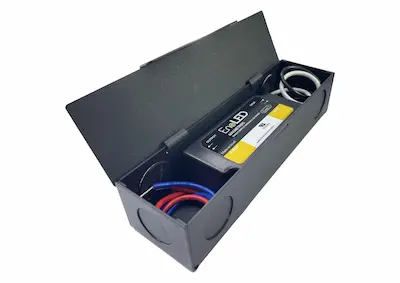
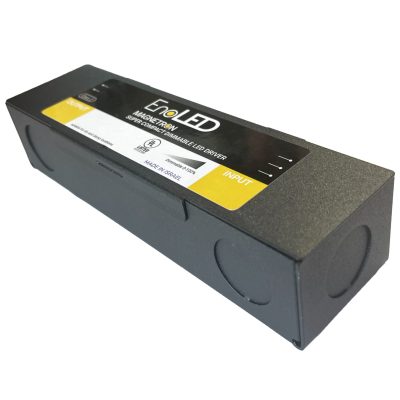
MX1 - High Power, Phase Cut Dimmable Series

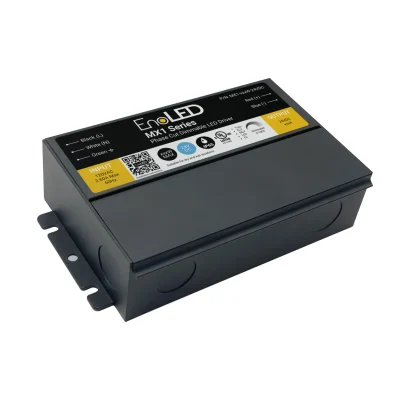
MX2 - Multi Output, Class 2, Phase Cut Dimmable Series
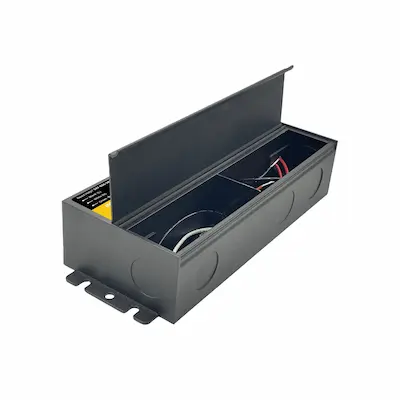
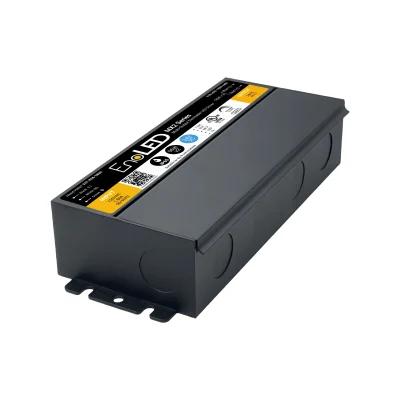
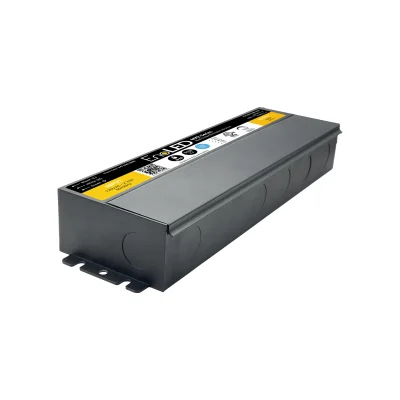
MRD - Phase Cut Dimmable Series
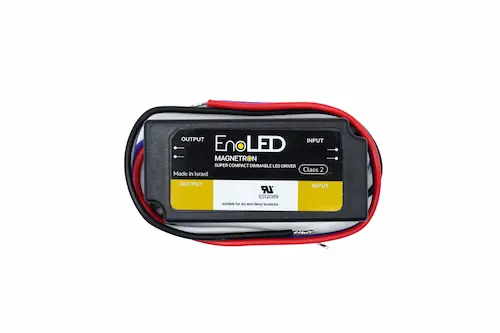

ProDrive Series - Low Profile 5-in-1 Dimmable Series
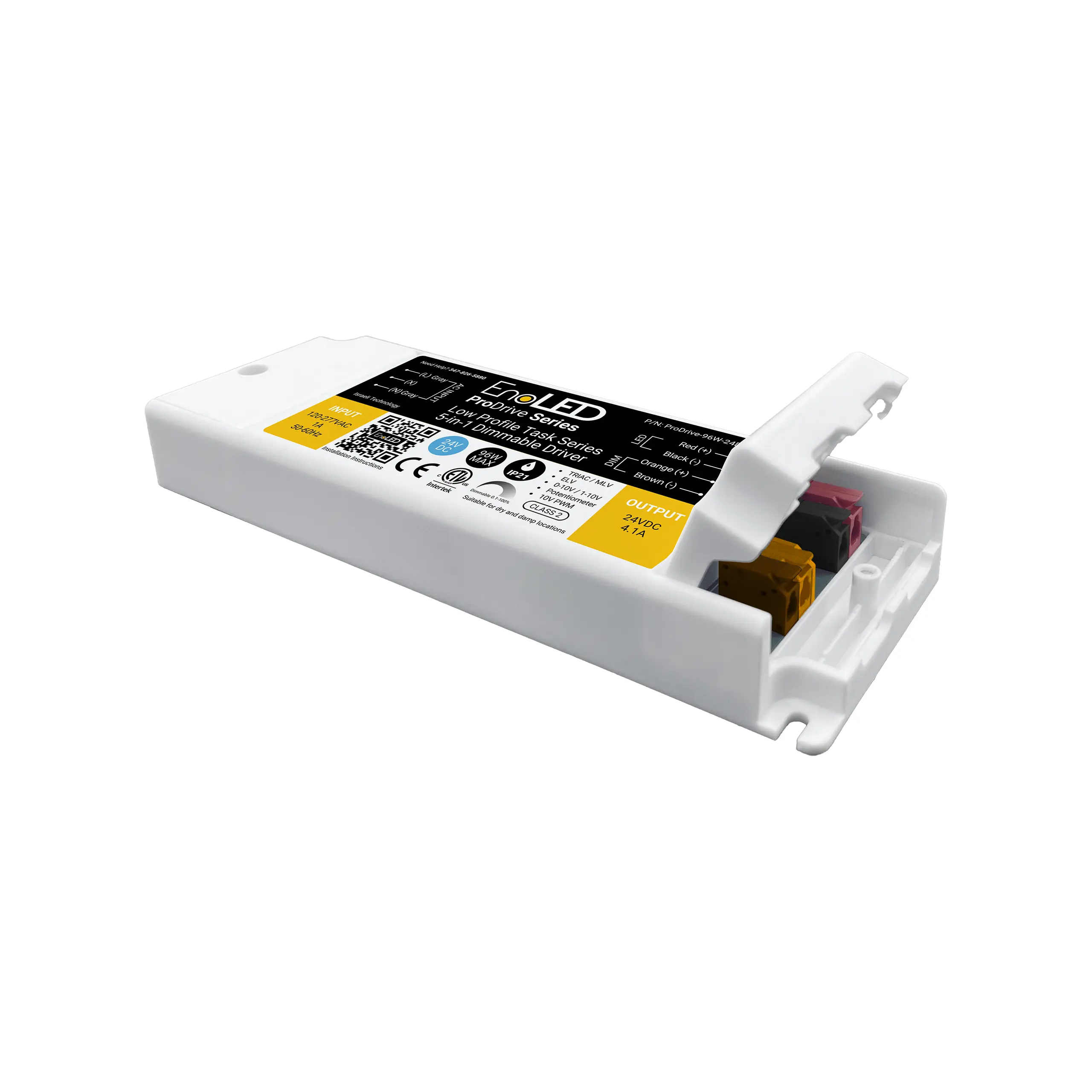
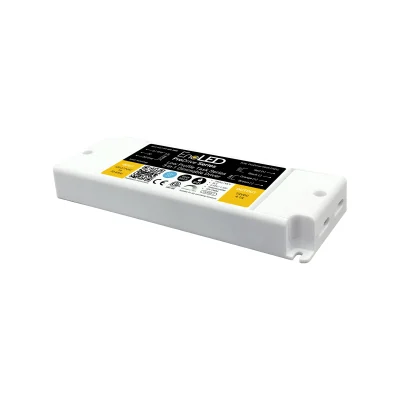
NanoDrive - 0-10V Dimmable Series
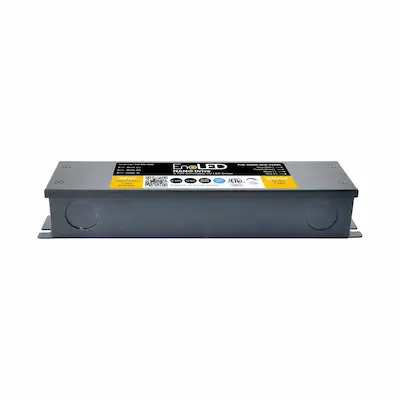
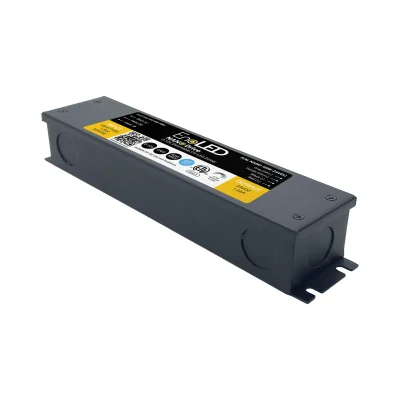
ELD - IP65 Non-Dim Series
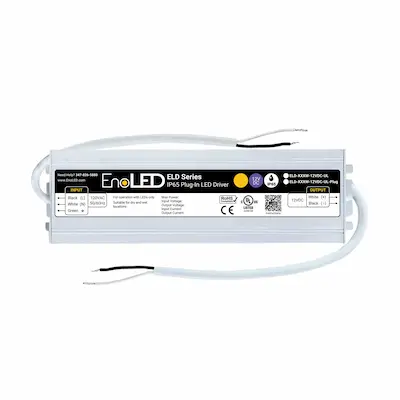
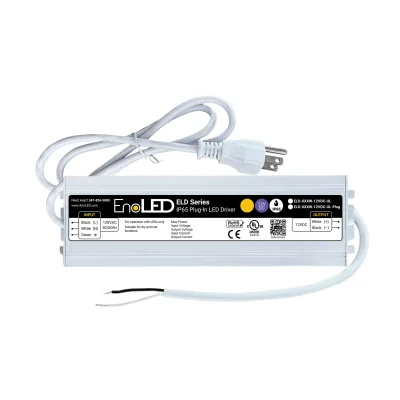
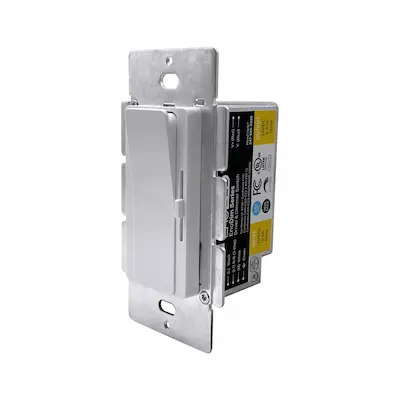
EnoDim - Driver & Dimmer Switch Series
Replacement LED Drivers: A Complete Guide to Finding and Installing the Right Driver
LED lighting systems offer exceptional longevity and energy efficiency, but like all electronic components, LED drivers eventually fail. When your LED lights start flickering, dimming, or stop working altogether, the problem often lies with the driver rather than the LEDs themselves. Understanding replacement LED drivers—how to identify the right one, where to find it, and how to install it—can save you time, money, and the frustration of replacing entire lighting fixtures unnecessarily.
Understanding When You Need a Replacement LED Driver
LED drivers are the power regulation devices that convert your home’s AC voltage into the specific DC voltage and current that LEDs require. They’re essentially the heart of your LED lighting system, and when they fail, your lights fail with them.
Several telltale signs indicate your LED driver needs replacement. Flickering lights are often the first symptom, especially if the flickering is constant rather than occasional. Complete light failure despite the LEDs appearing intact suggests driver problems. Buzzing or humming sounds coming from the fixture indicate the driver’s internal components are failing. Dimming that no longer works smoothly or lights that won’t turn on consistently also point to driver issues.
LED drivers typically last 30,000 to 50,000 hours, but various factors can shorten this lifespan. Operating in high-temperature environments, poor ventilation, voltage fluctuations, and running the driver at maximum capacity all contribute to premature failure.
Identifying Your Current LED Driver Specifications
Before purchasing a replacement LED driver, you must identify the exact specifications of your existing driver. Installing an incompatible driver can damage your LEDs or create safety hazards.
Locate the label on your existing driver. This label contains all the information you need. Write down the output voltage (typically 12V, 24V, or 48V DC), the maximum output current (measured in milliamps or amps), the total wattage capacity, the input voltage range (usually 120V or 230V AC), and any special features like dimming capability.
The output voltage must match exactly. A 12V LED system requires a 12V driver—using a 24V driver will destroy 12V LEDs instantly. Similarly, the replacement driver’s wattage capacity should equal or exceed your current driver. If your LEDs consume 60 watts total, choose a driver rated for at least 75-80 watts to provide a safety margin.
For dimmable LED systems, you need a dimmable driver compatible with your dimmer type. The dimming protocol (phase-cut, 0-10V, DALI, or DMX) must match between your dimmer switch and the new driver.
Measure your existing driver’s physical dimensions if space is limited. Replacement drivers come in various sizes, and a more powerful driver might be larger than your original.
Where to Find Replacement LED Drivers
Original Equipment Manufacturers: Your best option is often purchasing directly from the manufacturer of your original LED fixture. Many lighting manufacturers sell replacement drivers for their products, ensuring perfect compatibility.
Electrical Supply Stores: Professional electrical supply stores carry a wide selection of LED drivers from various manufacturers. Staff at these stores typically have technical knowledge and can help you match specifications.
Online Retailers: Amazon, eBay, and specialized lighting websites offer extensive selections of replacement LED drivers. Online shopping provides access to numerous options and competitive pricing, but requires you to verify specifications carefully.
LED Driver Specialists: Companies specializing in LED components often stock hard-to-find drivers and can source custom solutions for discontinued products or unusual specifications.
Choosing Between OEM and Universal Replacement Drivers
OEM Replacement Drivers: OEM drivers are exact replacements manufactured by or for the original fixture maker. They guarantee compatibility with your existing system, typically include proper mounting hardware, and maintain any warranties on your fixtures. However, OEM drivers often cost more and may have longer delivery times.
Universal Replacement Drivers: Universal drivers are generic units designed to work with multiple LED systems. They offer wider availability, lower cost, and often more modern features than older OEM parts. Quality universal drivers from reputable manufacturers like Mean Well, Philips, or Inventronics perform reliably.
The key to success with universal drivers is matching all critical specifications exactly. As long as output voltage, wattage capacity, and any special features match your requirements, universal drivers work perfectly well.
Installation Safety Considerations
Replacing LED drivers involves working with electrical systems, so safety must be your first priority.
Always disconnect power at the circuit breaker before beginning any electrical work. Simply turning off a light switch is insufficient. Use a voltage tester to verify power is truly off before touching any wires.
If you’re not comfortable working with electrical systems or if local regulations require licensed electricians for such work, hire a professional. The cost of professional installation is minimal compared to the risks of improper installation.
Wear appropriate safety gear including safety glasses and insulated gloves when working with electrical components.
Step-by-Step Replacement Process
Remove the Old Driver: After confirming power is off, locate and access your existing driver. Document the wiring connections before disconnecting anything—taking photos with your phone provides excellent reference. Note which wires connect to which terminals, paying special attention to polarity on the output side.
Disconnect the input wires first, then the output wires. Remove any mounting screws or clips holding the driver in place, and carefully extract the old driver.
Prepare the New Driver: Examine your new driver and identify all terminals. Most drivers have clearly labeled input and output terminals. The input side typically shows AC voltage terminals (often labeled L/Line and N/Neutral, plus ground). The output side shows positive (+) and negative (-) terminals for DC output.
Make Connections: Connect the input wires first. Match the hot wire (typically black) to the line terminal, neutral (white) to the neutral terminal, and ground (green or bare copper) to the ground terminal. Ensure connections are secure and properly insulated.
Next, connect the output wires to your LED lights. Maintain proper polarity—positive to positive, negative to negative.
Secure and Test: Mount the new driver securely in place, ensuring adequate ventilation around it. Drivers generate heat during operation and require airflow for cooling. Once everything is connected and secured, restore power at the breaker and test your lights.
Common Replacement Challenges and Solutions
If your exact driver is discontinued, finding a compatible universal replacement becomes necessary. Focus on matching voltage, wattage, and dimming capabilities. Consult with electrical suppliers who can recommend suitable alternatives.
Sometimes replacement drivers are larger than originals, creating installation challenges. Consider remote mounting the driver in a nearby location with more space, using longer wire runs if necessary.
If your new driver doesn’t work despite matching specifications, verify polarity on output connections, confirm the driver is receiving proper input voltage, and check that all connections are secure.
Upgrading During Replacement
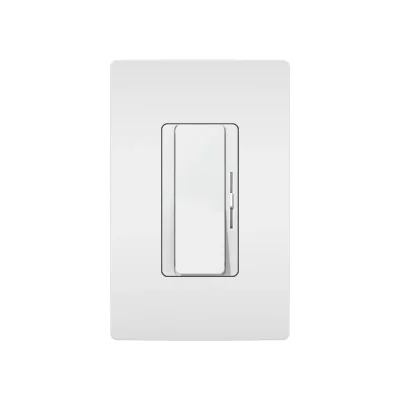
Replacing a failed driver presents an opportunity to upgrade your lighting system. If your original system wasn’t dimmable, installing a dimmable driver during replacement adds this functionality. You’ll also need to install a compatible dimmer switch.
If you’re planning to add more LED lights to your system, choose a higher-capacity driver during replacement. Modern replacement drivers include smart features like WiFi connectivity, smartphone control, and integration with home automation systems.
Preventive Maintenance to Extend Driver Life
Ensure adequate ventilation around drivers, keeping them away from heat sources and insulation. Avoid overloading drivers—operate them at 70-80% of maximum capacity when possible. Use surge protectors on critical lighting circuits to protect drivers from voltage spikes.
Address flickering or dimming issues promptly rather than waiting for complete failure. Early intervention often prevents additional damage to LEDs and other components.
Cost Considerations
Replacement LED driver costs vary widely based on specifications and quality. Basic non-dimmable drivers for simple residential applications cost $15-40. Dimmable drivers range from $30-80 depending on dimming protocol and wattage. High-power commercial drivers can cost $80-200 or more.
Professional installation adds $75-150 in most markets. Consider total system value when deciding between DIY and professional installation—for expensive lighting systems, professional installation provides peace of mind.
Frequently Asked Questions
How do I know if my LED driver has failed? Common failure symptoms include flickering lights, complete light failure despite intact LEDs, buzzing or humming sounds, inconsistent dimming, or lights that won’t turn on reliably.
Can I replace an LED driver myself? If you’re comfortable with basic electrical work and follow safety procedures, replacing LED drivers is straightforward. However, if you’re uncertain or local codes require licensed electricians, hire a professional.
Do I need to replace the entire fixture or just the driver? In most cases, you only need to replace the driver, not the entire fixture. LED chips themselves typically outlast drivers significantly.
Can I use a higher wattage driver than my original? Yes, using a higher wattage driver is safe and often recommended. Choose a driver rated 20-30% higher than your LED load. However, never use a driver with different output voltage.
Will any 12V driver work for my 12V LEDs? While voltage must match, you also need sufficient wattage capacity and compatible features like dimming capability. Not all 12V drivers are interchangeable.
How long should a replacement LED driver last? Quality replacement LED drivers should last 30,000 to 50,000 hours under normal conditions, translating to 10-17 years at typical usage rates.
Are expensive drivers better than budget options? Generally, yes. Premium drivers from reputable manufacturers include better components, superior protection features, more efficient power conversion, and longer warranties.
Can I upgrade to a dimmable driver if my original wasn’t dimmable? Yes, you can upgrade to a dimmable driver during replacement, but you’ll also need to install a compatible dimmer switch.
Summary
Replacement LED drivers are essential components for maintaining LED lighting systems when original drivers fail. Understanding how to identify correct specifications, source compatible replacements, and install them safely ensures your LED investment continues performing for years.
The key to successful driver replacement lies in carefully matching specifications including output voltage, wattage capacity, and special features like dimming capability. While OEM drivers guarantee compatibility, quality universal drivers from reputable manufacturers offer excellent performance at lower cost.
Safety must always come first when replacing drivers. Disconnecting power at the breaker, following local electrical codes, and hiring professionals when uncertain protects both you and your lighting investment.
Driver replacement also presents opportunities for system upgrades including adding dimming capability, increasing capacity for future expansion, or integrating smart features. With proper selection and installation, replacement LED drivers restore your lighting to full functionality.
Customer Testimonials