
LED driver
- Home /
- Learning Center /
- LED driver
LED Drivers
XRD - Phase Cut Dimmable Series
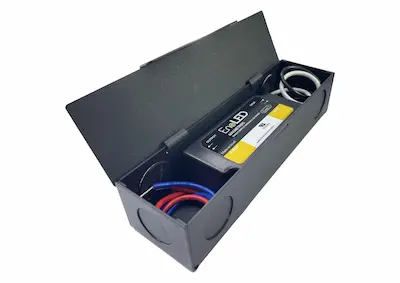
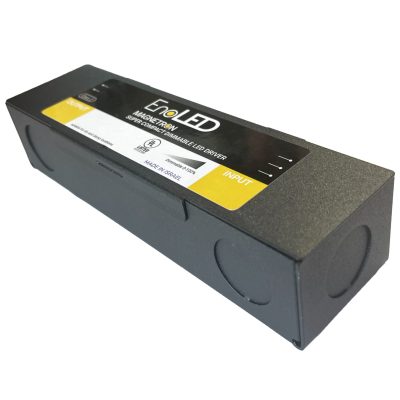
MX1 - High Power, Phase Cut Dimmable Series

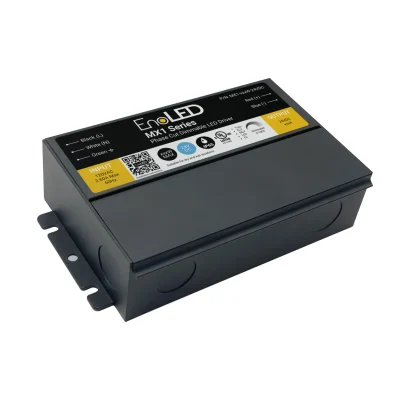
MX2 - Multi Output, Class 2, Phase Cut Dimmable Series
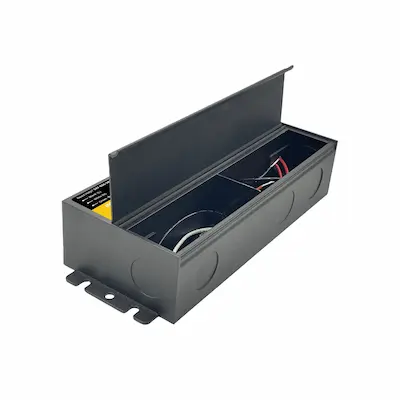
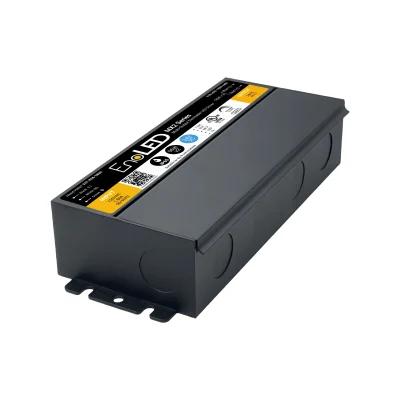
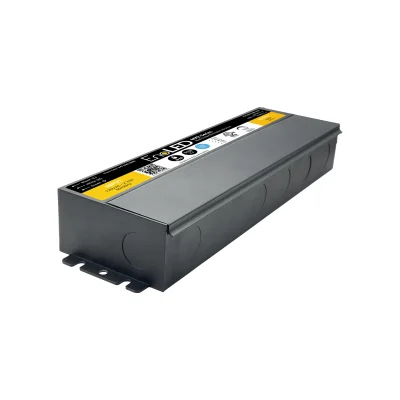
MRD - Phase Cut Dimmable Series
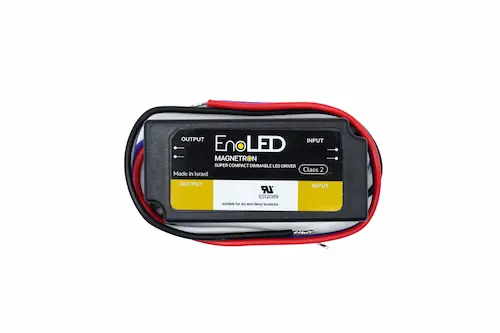

ProDrive Series - Low Profile 5-in-1 Dimmable Series
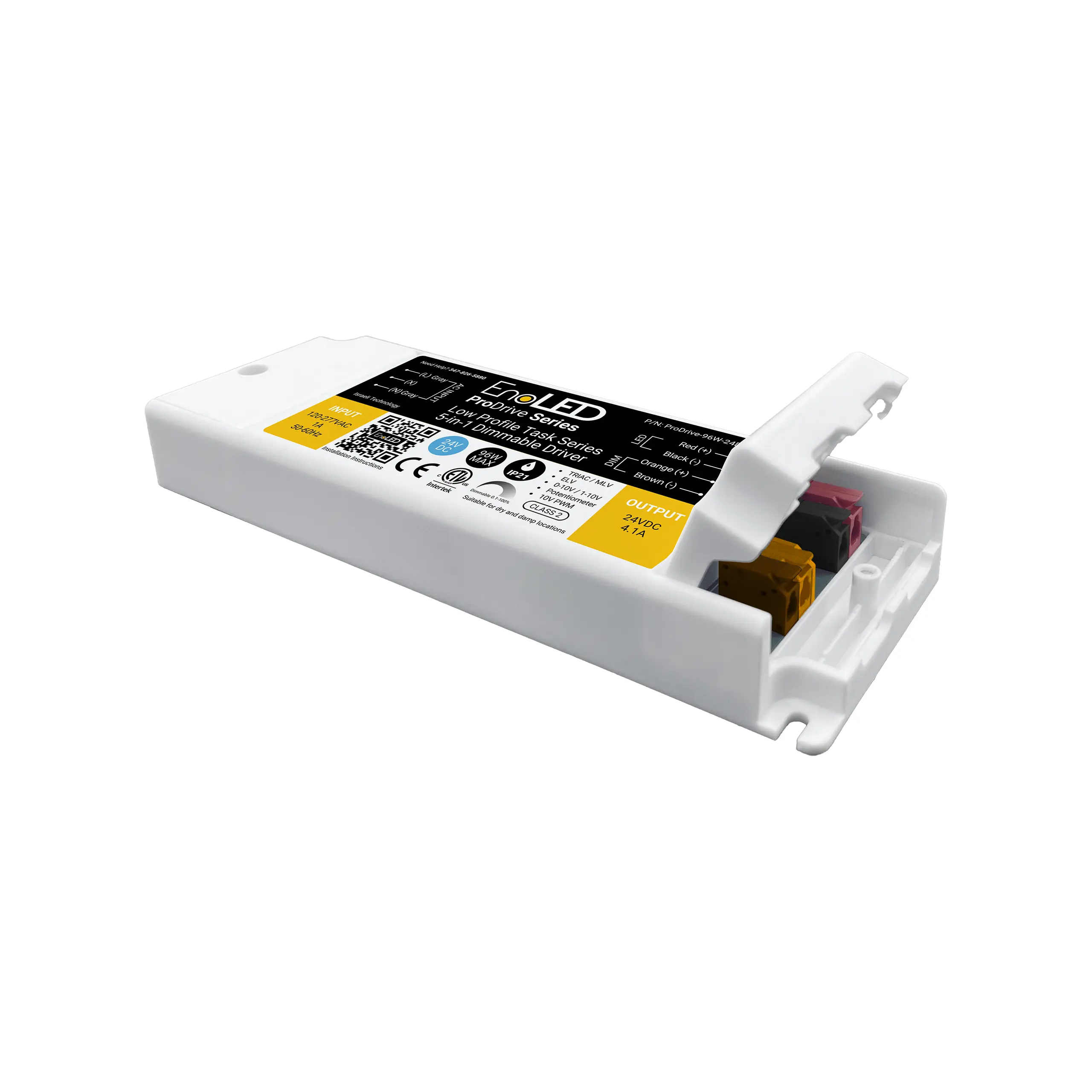
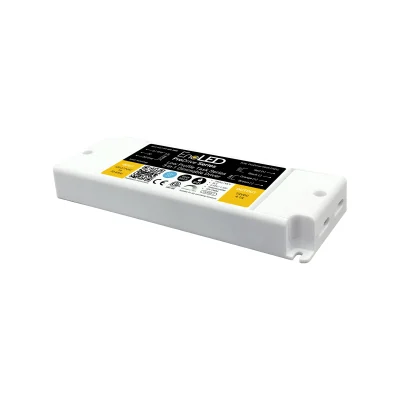
NanoDrive - 0-10V Dimmable Series
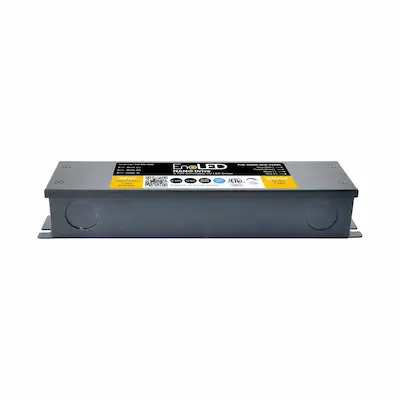
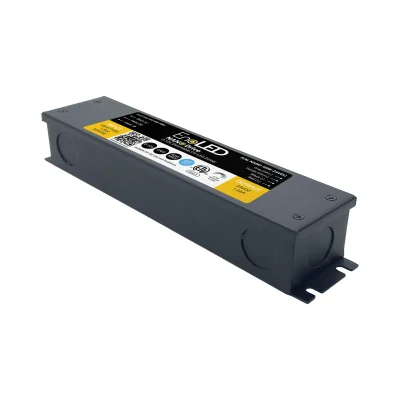
ELD - IP65 Non-Dim Series
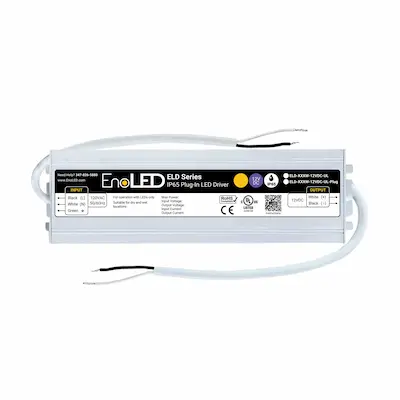
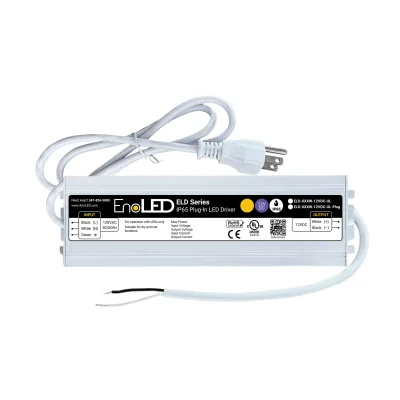
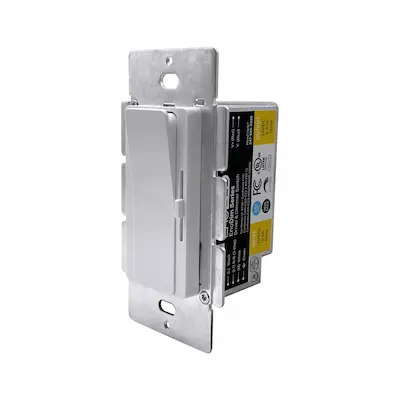
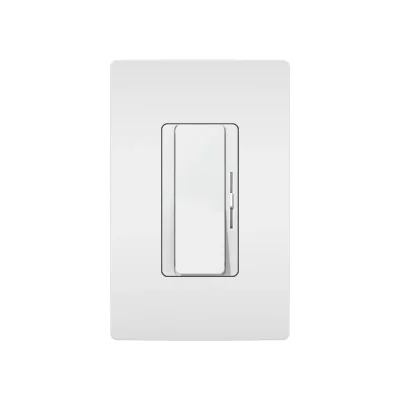
EnoDim - Driver & Dimmer Switch Series
LED Driver: Complete Guide to Understanding and Selecting LED Power Supplies
LED lighting has transformed how we illuminate our homes, businesses, and public spaces, offering exceptional energy efficiency, longevity, and versatility. However, behind every successful LED installation is a critical component that most people never see or think about: the LED driver. Understanding what LED drivers are, why they’re essential, and how to select the right one is fundamental to creating LED lighting systems that perform reliably, efficiently, and safely for years to come.
What Is an LED Driver?
An LED driver is a specialized electrical device that regulates the power supplied to LED lights, converting standard alternating current (AC) from your electrical system into the direct current (DC) that LEDs require while maintaining precise voltage and current control. Think of it as a sophisticated power adapter specifically engineered to meet the unique electrical requirements of light-emitting diodes.
While the term “power supply” might seem interchangeable with “LED driver,” drivers perform more sophisticated functions than simple voltage conversion. They actively regulate both voltage and current to ensure LEDs receive the precise electrical conditions they need to operate safely, efficiently, and consistently.
The term “driver” reflects the active role these devices play. Unlike passive transformers that simply step voltage up or down, LED drivers actively “drive” the LEDs by maintaining stable electrical conditions despite variations in input power, temperature changes, and aging components.
Why LEDs Need Drivers
LEDs are fundamentally different from traditional lighting technologies, and these differences explain why specialized drivers are necessary.
Current-Driven Devices:
LEDs are current-driven semiconductor devices, meaning their brightness and performance depend primarily on the electrical current flowing through them rather than voltage alone. Too much current causes overheating, rapid degradation, color shifting, and premature LED failure. Too little current results in dim output, inconsistent brightness, or complete failure to illuminate.
Traditional incandescent bulbs and fluorescent lights tolerate voltage fluctuations reasonably well. LEDs do not. Even minor variations in current cause visible flickering, brightness changes, or accelerated degradation.
Voltage Requirements:
Your home or office operates on alternating current at relatively high voltages—typically 120V in North America or 230V in Europe. Most LED applications operate on direct current at much lower voltages: 12V, 24V, or 48V for LED strips and various fixtures.
Without a driver to convert high-voltage AC to appropriate low-voltage DC, LEDs simply cannot function. Attempting to connect LEDs directly to mains voltage results in immediate, catastrophic destruction.
Protection Functions:
Beyond power conversion and regulation, LED drivers provide essential protective functions including overcurrent protection, overvoltage protection, thermal protection, and short circuit protection. These protective features ensure your LED system operates safely under various conditions and prevents single failures from cascading into complete system destruction.
Types of LED Drivers
Constant Current vs. Constant Voltage Drivers:
Constant current (CC) drivers maintain a fixed current output while allowing voltage to vary within a specified range. These drivers are ideal for high-power individual LEDs, LED arrays in fixtures, and applications requiring precise brightness control. Professional lighting installations, automotive headlights, and commercial downlights typically use constant current drivers.
Constant voltage (CV) drivers maintain steady voltage output while current varies based on the connected load. These are the most common type for LED strip lights, architectural lighting, signage, and general residential applications. If you’re installing LED strips rated for 12V or 24V, you’ll use a constant voltage driver.
The choice between constant current and constant voltage depends entirely on your LED product specifications. LED manufacturers design their products for one type or the other, and you must match the driver type to your LED requirements.
Internal vs. External Drivers:
Internal drivers are built into the LED fixture itself, creating an integrated, all-in-one lighting solution. LED bulbs designed to replace traditional incandescent or CFL bulbs almost always contain internal drivers. These integrated solutions offer maximum convenience but generate heat within the fixture and can be difficult to replace.
External drivers are separate units installed away from the LED lights themselves. They’re common in LED strip installations, architectural lighting, and commercial fixtures. External drivers provide easier maintenance, superior heat dissipation, flexibility to power multiple LED fixtures, and better longevity due to improved thermal management.
Dimmable vs. Non-Dimmable Drivers:
Non-dimmable drivers operate at fixed output and cannot respond to dimmer controls. These are simpler and less expensive (typically 20-40% less than dimmable equivalents).
Dimmable LED drivers include additional circuitry allowing them to accept dimming signals and adjust output while maintaining stable current. However, dimmable drivers aren’t universal—they’re designed for specific dimming protocols including phase-cut (TRIAC), 0-10V, PWM, DALI, and DMX. The driver and dimmer must use compatible protocols to function together properly.
Key LED Driver Specifications
Input Voltage:
The driver’s input voltage specification must match your electrical system. Common options include 120V AC for North American residential applications, 277V AC for commercial buildings, 230V AC for European installations, and universal input ranges (100-277V AC).
Output Voltage (for Constant Voltage Drivers):
For constant voltage drivers, the output voltage must exactly match your LED product requirements. A 12V LED system requires a 12V driver. A 24V LED system requires a 24V driver. Mismatched voltage either prevents operation or destroys the LEDs.
Output Current (for Constant Current Drivers):
For constant current drivers, output current must match your LED specifications precisely. LEDs designed for 700mA require a 700mA constant current driver.
Wattage Capacity:
Every driver has a maximum wattage rating. Calculate the combined wattage of all connected LEDs and choose a driver with 20-30% additional capacity beyond your total load. This overhead ensures efficient operation, prevents overloading, and extends driver life.
Efficiency Rating:
Quality drivers achieve 85-95% efficiency. Higher efficiency means lower operating costs, less heat generation, and better overall system performance. Premium drivers from reputable manufacturers achieve the highest efficiencies.
IP Rating (Environmental Protection):
IP20 drivers suit dry indoor locations only. IP65 drivers resist water splashes. IP67 and IP68 drivers offer waterproofing for outdoor installations and wet environments. Choose the appropriate IP rating for your installation location.
LED Driver Lifespan and Reliability
LED drivers typically last 30,000 to 50,000 hours under normal operating conditions, though various factors significantly affect longevity.
Factors Affecting Driver Life:
Operating temperature is the single most important factor. Drivers running hot due to poor ventilation fail prematurely. Ensure adequate airflow around drivers and keep them away from heat sources.
Load level matters significantly. Drivers operated continuously at maximum capacity wear much faster than those running at 70-80% capacity.
Manufacturing quality determines baseline reliability. Premium drivers from reputable manufacturers like Mean Well, Philips, or Magnitude include superior components, better thermal design, and stringent quality control.
Signs of Driver Failure:
Flickering lights often indicate driver issues. Complete light failure despite intact LEDs strongly suggests the driver has failed. Buzzing or humming sounds from the driver location indicate internal component deterioration. Inconsistent dimming performance also points to driver problems.
Installation Best Practices
Always disconnect power at the circuit breaker before beginning electrical work. Use a voltage tester to verify power is truly off. If you’re uncomfortable working with electrical systems or local codes require licensed electricians, hire a professional.
Install drivers in locations with adequate ventilation. Even efficient drivers generate heat that must dissipate. Avoid enclosed spaces without ventilation, locations near heat sources, areas subject to moisture unless using IP-rated drivers, and spaces difficult to access for maintenance.
Follow manufacturer instructions carefully for all wiring connections. Input side wiring connects Line, Neutral, and Ground from your electrical system to the driver’s input terminals. Output side wiring connects the driver’s DC output to your LED lights. Maintain proper polarity for constant voltage systems.
Before connecting LEDs, calculate total load accurately. Verify this total doesn’t exceed 70-80% of the driver’s rated capacity.
Frequently Asked Questions
What is the difference between an LED driver and a regular power supply? An LED driver is a specialized power supply designed specifically for LEDs, featuring precise current regulation, LED-specific protection features, and optimized electrical characteristics. Standard power supplies simply convert voltage without the sophisticated current regulation LEDs require.
Do all LED lights need drivers? Yes, all LEDs require drivers without exception. Some LED products have drivers built into the bulb or fixture (internal drivers), while others use separate external drivers.
Can I use any LED driver with my LED lights? No, the driver must match your LED specifications including voltage, current, wattage capacity, driver type, and dimming compatibility. Mismatched drivers cause poor performance, damage, or complete failure.
How do I know what size LED driver I need? Calculate the total wattage of all LEDs you’re connecting, then choose a driver rated for 20-30% more than that total. Also verify that voltage and current specifications match your LEDs exactly.
Why do LED drivers fail? Common failure causes include inadequate ventilation causing overheating, operating continuously at maximum capacity, poor-quality manufacturing, voltage surges, and reaching end of service life.
Can I replace a failed LED driver myself? If you’re comfortable with basic electrical work and follow safety procedures, you can replace drivers. However, if uncertain or if local codes require it, hire a licensed electrician.
How long do LED drivers last? Quality LED drivers typically last 30,000 to 50,000 hours under normal conditions—approximately 10-17 years at typical usage rates.
What is the difference between constant current and constant voltage drivers? Constant current drivers maintain fixed current output while voltage varies, ideal for high-power LEDs. Constant voltage drivers maintain fixed voltage while current varies, ideal for LED strips.
Summary
LED drivers are essential electrical devices that convert AC mains power to regulated DC power suitable for LED operation. They perform critical functions including voltage conversion, precise current regulation, and comprehensive protection against electrical faults.
Without proper drivers, LED lights cannot function safely or achieve their expected performance and lifespan. LED drivers come in various types including constant current and constant voltage, internal and external, dimmable and non-dimmable.
Key specifications to match include input voltage, output voltage or current, wattage capacity with appropriate overhead, efficiency rating of 85% or higher, and appropriate environmental protection. Quality LED drivers operate efficiently, typically lasting 30,000 to 50,000 hours when properly installed with adequate ventilation and appropriate load levels.
Customer Testimonials