
12V Dimming LED driver
- Home /
- Learning Center /
- 12V Dimming LED driver
LED Drivers
XRD - Phase Cut Dimmable Series
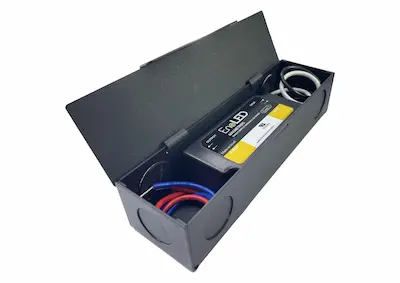
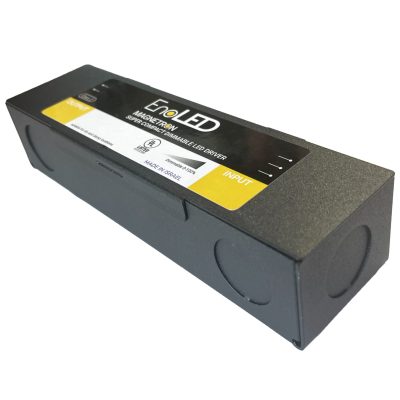
MX1 - High Power, Phase Cut Dimmable Series

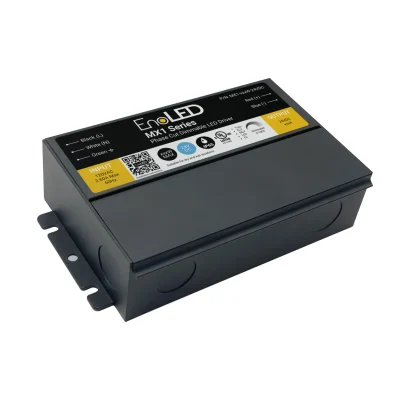
MX2 - Multi Output, Class 2, Phase Cut Dimmable Series
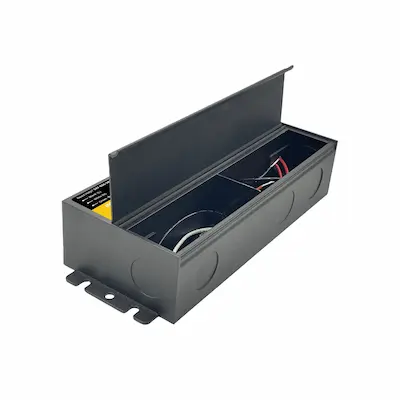
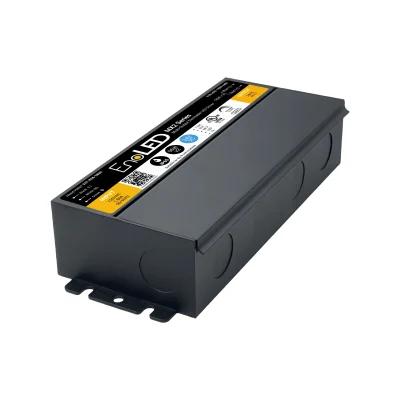
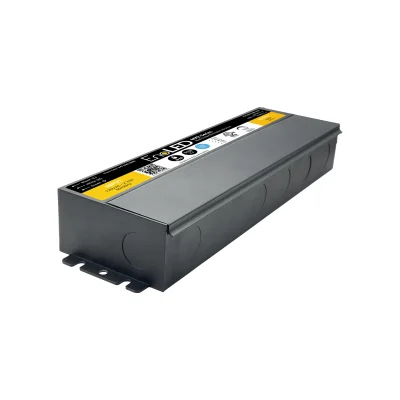
MRD - Phase Cut Dimmable Series
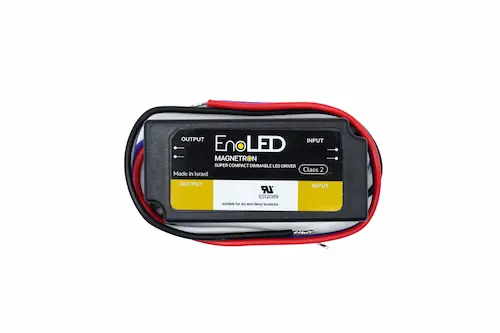

ProDrive Series - Low Profile 5-in-1 Dimmable Series
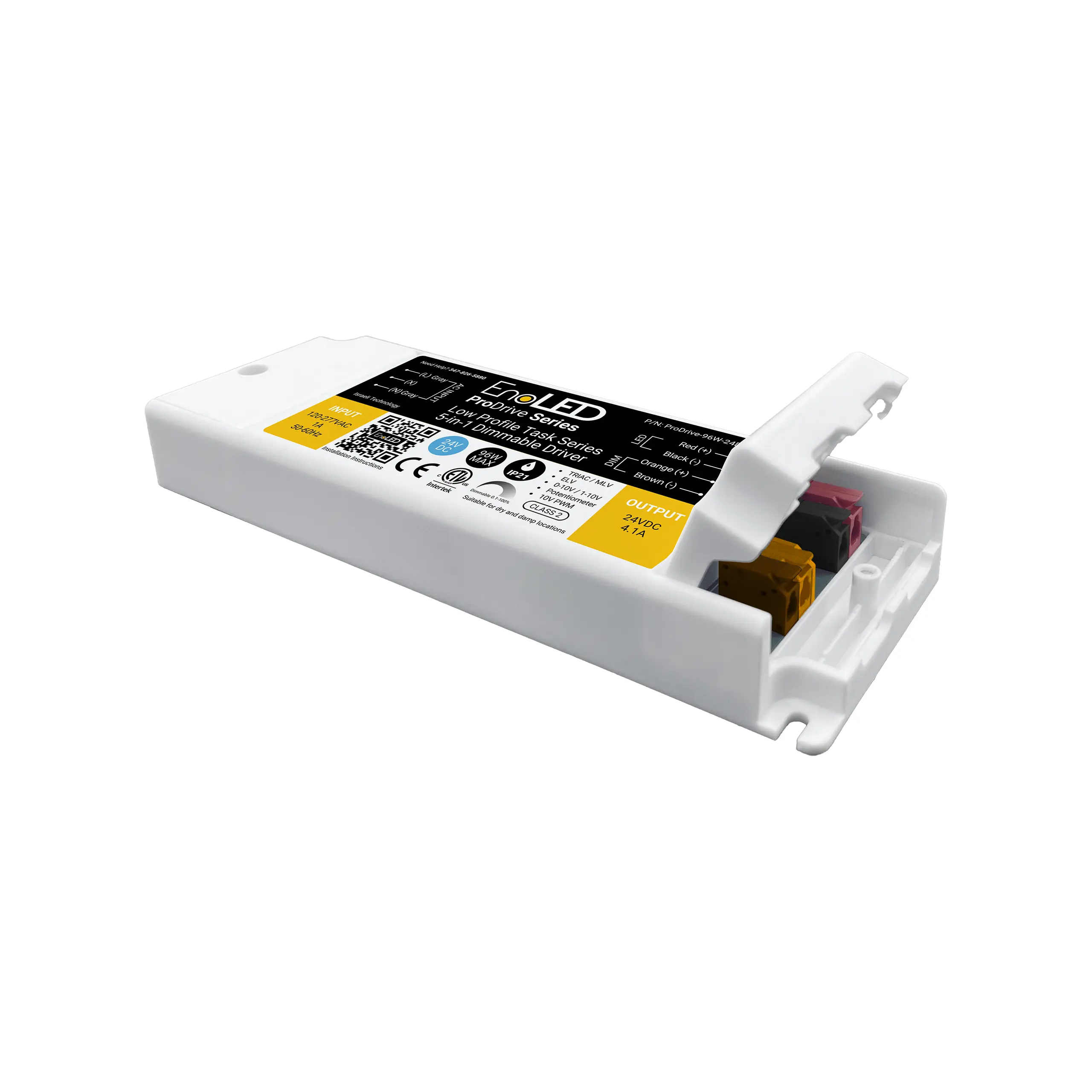
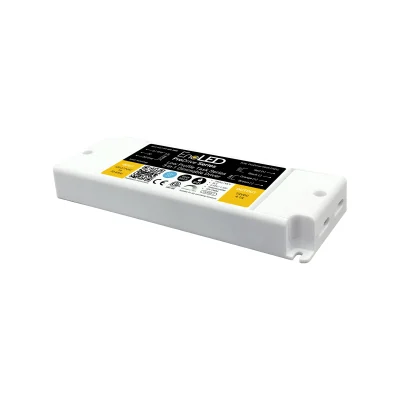
NanoDrive - 0-10V Dimmable Series
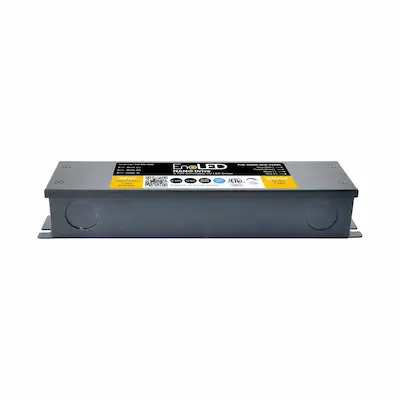
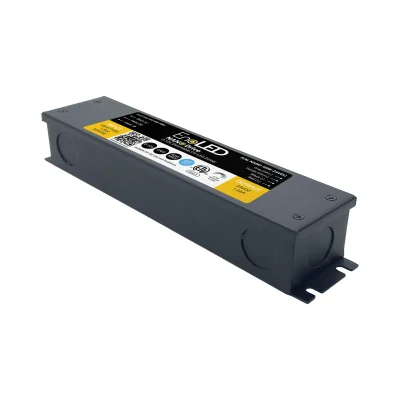
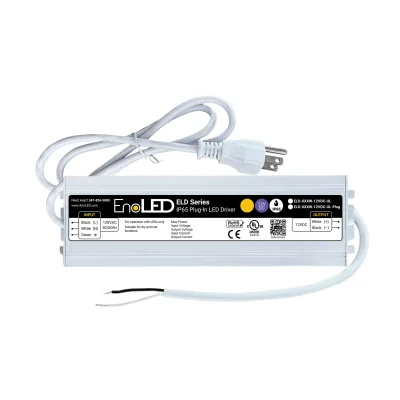
ELD - IP65 Non-Dim Series
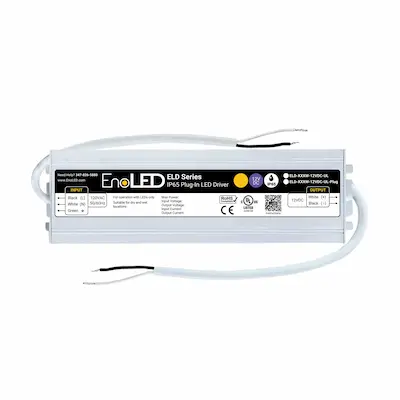
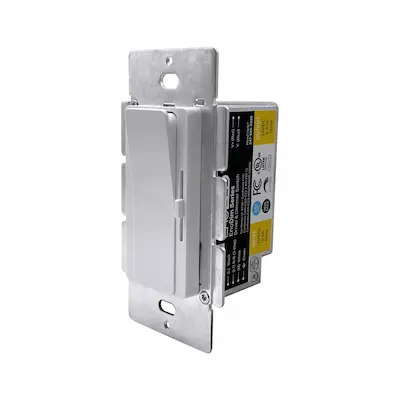
EnoDim - Driver & Dimmer Switch Series
12V Dimming LED Driver: Complete Guide to Selection and Installation
The 12V dimming LED driver represents the most popular and versatile solution for residential and light commercial LED lighting applications requiring brightness control. Combining the widespread compatibility of the 12V standard with the atmosphere-enhancing benefits of dimming capability, these drivers power countless under-cabinet lights, LED strips, accent lighting installations, and decorative applications worldwide. Understanding how to select, install, and optimize 12V dimming LED drivers ensures your lighting systems deliver smooth, flicker-free performance.
Understanding 12V Dimming LED Drivers
A 12V dimming LED driver is an electrical device that converts standard AC mains voltage (typically 120V or 230V) into regulated 12V DC power suitable for LED operation, while simultaneously accepting dimming signals that allow brightness adjustment from full output down to very low levels.
Why 12V LED Systems?
The 12V DC voltage standard dominates residential LED lighting for several compelling reasons. Universal compatibility means virtually every LED strip, puck light, and 12V LED fixture works with 12V drivers. This extensive product selection provides maximum flexibility. The 12V standard is inherently safer than higher voltages, reducing shock risk and making DIY installation more accessible.
The automotive and marine industries have used 12V systems for decades, resulting in mature technology with proven reliability and widespread availability of components. Battery compatibility makes 12V systems ideal for RVs, boats, and off-grid applications.
However, 12V systems experience voltage drop more quickly than 24V systems, limiting maximum run length before brightness dimming becomes visible—typically 10-16 feet per power connection. They also require heavier wire gauge for the same wattage compared to 24V systems due to higher current draw.
The Dimming Advantage:
Adding dimming capability transforms simple lighting into a versatile tool. Adjustable brightness creates appropriate lighting for different activities—bright task lighting for cooking or working, dimmed ambient lighting for dining or entertaining. Dimming reduces energy consumption proportionally—dimming to 50% typically saves 40-50% energy. Operating LEDs at reduced brightness extends their lifespan significantly, sometimes doubling it.
Types of Dimming Protocols for 12V LED Drivers
Phase-Cut Dimming (TRIAC):
Phase-cut dimming is the most common protocol for residential 12V LED applications because it works with standard wall dimmer switches using existing two-wire household wiring. Trailing-edge dimmers generally perform significantly better with LED drivers, producing less audible noise, smoother dimming at low levels, and better compatibility.
Phase-cut advantages include no additional control wiring required (ideal for retrofits), familiar wall-switch form factor, widely available products, and simple installation. Disadvantages include potential electromagnetic interference, audible buzzing with some combinations, and limited minimum dimming levels (typically 10-15% minimum).
0-10V Dimming:
The 0-10V dimming protocol uses a separate low-voltage control wire to communicate dimming levels. A 10V signal commands full brightness, while 0V signals minimum brightness (typically around 10%).
0-10V advantages include very smooth dimming performance, excellent compatibility across manufacturers, minimal electromagnetic interference, and ability to control multiple drivers from a single dimmer. The disadvantage is requiring additional control wire alongside power wiring.
PWM (Pulse Width Modulation) Dimming:
PWM dimming rapidly switches LEDs on and off at frequencies too fast for human eyes to detect. By varying the ratio of on-time to off-time, perceived brightness changes smoothly.
PWM advantages include excellent color consistency across all dimming levels, very precise digital control, and compatibility with LED controllers and automation systems.
Smart/WiFi Dimming:
Modern smart 12V dimming LED drivers include wireless connectivity (WiFi, Zigbee, Bluetooth, or Z-Wave), allowing control via smartphone apps, voice assistants, or home automation systems without traditional dimmer switches.
Key Specifications for 12V Dimming LED Drivers
Power Capacity (Wattage):
Common capacities for 12V dimming drivers include 30W, 60W, 75W, 96W, 100W, and 150W. Calculate your total LED load by adding up all connected LED wattage. Choose a driver with 20-30% more capacity than your total load. For 72 watts of LEDs, select a driver rated for approximately 90-100 watts.
This capacity overhead ensures efficient operation, prevents overheating, extends driver lifespan, and provides safety margin.
Input Voltage:
Verify the driver accepts your local electrical voltage. North American residential applications use 120V AC. European installations typically operate at 230V AC.
Dimming Range:
Quality 12V dimming LED drivers should dim to at least 10% of maximum brightness. Premium units achieve 1-5% minimum brightness, allowing very subtle lighting effects.
Dimming Protocol Compatibility:
Ensure the driver supports the specific dimming protocol you’re using. If you have standard residential wall dimmers, you need a phase-cut compatible driver (preferably trailing-edge). Always verify the specific dimming protocol explicitly stated in product specifications.
Efficiency Rating:
Quality 12V dimming LED drivers achieve 85-92% efficiency. Higher efficiency means lower operating costs, less heat generation, and better overall system performance. Premium drivers from manufacturers like Mean Well, Magnitude, or Philips Advance achieve the highest efficiencies.
Protection Features:
Quality dimming drivers include overcurrent protection, overvoltage protection, thermal protection, and short circuit protection. These features ensure safe operation and protect both the driver and LEDs.
Physical Dimensions:
Compact drivers (5-7 inches long) fit tight spaces. Standard drivers (7-9 inches) suit typical installations. Slim-profile drivers (under 1 inch tall) work for under-cabinet mounting. Verify the driver fits in your intended location with adequate clearance for ventilation.
IP Rating:
IP20 drivers suit dry indoor locations only. IP65 drivers resist water splashes for bathrooms or kitchens. IP67 drivers are fully waterproof for outdoor installations. IP68 drivers are designed for continuous submersion.
Installation Best Practices
Always disconnect power at the circuit breaker before beginning electrical work. Use a voltage tester to verify power is truly off. If you’re uncomfortable working with electrical systems or local codes require licensed electricians, hire a professional.
Install the driver in a well-ventilated location. Dimmable drivers may generate slightly more heat than non-dimmable units. Ensure good airflow by avoiding enclosed spaces without ventilation, locations near heat sources, and areas subject to moisture unless using IP-rated drivers.
Connect the input side first. The driver has clearly marked terminals for Line (hot), Neutral, and Ground. Follow local electrical codes for wire sizing and connection methods.
Dimmer Connection (Phase-Cut Systems):
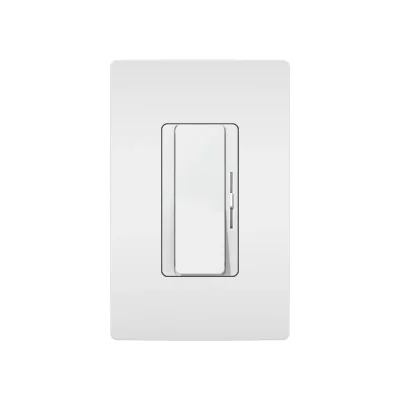
For phase-cut dimming, install the dimmer switch in the wall box. The dimmer interrupts the hot wire feeding power to the driver. No additional control wiring is necessary.
Control Wiring (0-10V Systems):
For 0-10V dimming, run both standard power wiring and separate two-conductor low-voltage control wire. Connect power wiring to the driver’s input terminals. Connect the control wiring from the dimmer’s control output terminals to the driver’s dimming input terminals, marked DIM+ and DIM-.
Output Wiring to 12V LEDs:
The output side provides 12V DC power to your LED lights. Terminals are marked positive (+) and negative (-). Connect positive to positive and negative to negative.
Wire Sizing for 12V Systems:
Proper wire gauge is critical for 12V systems due to higher current. For 12V LED systems:
- Runs up to 10 feet: 18 AWG minimum
- Runs 10-20 feet: 16 AWG minimum
- Runs 20-30 feet: 14 AWG minimum
- Runs over 30 feet: 12 AWG or implement power injection
Undersized wire creates voltage drop, dimming LEDs at the far end and creating fire hazards.
Power Injection for Long Runs:
For runs exceeding 10-16 feet, implement power injection—connecting power at multiple points along the LED strip rather than just one end. This maintains consistent brightness throughout.
After completing all connections, restore power and test thoroughly. Verify LEDs illuminate at full brightness, dimmer control works smoothly, no flickering occurs, and no buzzing is audible.
Frequently Asked Questions
What does “12V dimming LED driver” mean? It’s an LED driver that outputs 12V DC power for LED lights and includes dimming capability—accepting signals from dimmers to adjust brightness while maintaining stable current.
Can I use a 12V dimming driver with 24V LEDs? No, absolutely not. Using a 12V driver with 24V LEDs will not provide sufficient voltage—the LEDs won’t illuminate. The driver voltage must match LED voltage exactly.
What dimmer do I need for a 12V dimming LED driver? You need a dimmer compatible with your driver’s dimming protocol. For phase-cut drivers, use LED-compatible TRIAC dimmers (preferably trailing-edge). Always verify compatibility using manufacturer lists.
How do I know what wattage 12V dimming driver I need? Calculate total LED wattage, then choose a driver rated 20-30% higher. For example, 60 watts of 12V LEDs requires approximately a 75-80W driver.
Can 12V dimming drivers be used without dimmers? Yes, dimming drivers work perfectly at full brightness without dimmers connected. However, they cost 30-60% more than non-dimmable drivers.
Why does my 12V dimming LED system flicker? Common causes include incompatibility between dimmer and driver, LED load below dimmer’s minimum requirement (most dimmers need 25-40W minimum), poor-quality components, or loose connections.
How low can 12V dimming LED systems dim? Quality systems with compatible components dim to 1-10% of maximum brightness. Budget systems may only dim to 30-40%.
What’s better for residential use, 12V or 24V dimming drivers? 12V is more common for residential applications due to universal product compatibility and safety. However, 24V is better for longer runs over 16 feet. For typical residential under-cabinet or accent lighting, 12V works excellently.
Summary
12V dimming LED drivers provide essential power conversion and brightness control for 12V LED lighting systems, representing the most popular solution for residential applications. The 12V standard offers universal compatibility, inherent safety, mature technology, and extensive product availability.
Several dimming protocols exist including phase-cut (TRIAC)—most common for residential use, 0-10V—commercial standard, PWM—precise digital control, and smart/WiFi—app and voice control. Selecting the right driver requires matching dimming protocols precisely, ensuring sufficient power capacity with 20-30% overhead, choosing appropriate environmental protection, and verifying acceptable dimming range.
Proper installation with adequate ventilation, correctly sized wiring (especially critical for 12V systems), secure connections maintaining proper polarity, power injection for runs exceeding 10-16 feet, and thorough testing ensures optimal dimming performance.
Customer Testimonials