
Dimmable LED driver
- Home /
- Learning Center /
- Dimmable LED driver
LED Drivers
XRD - Phase Cut Dimmable Series
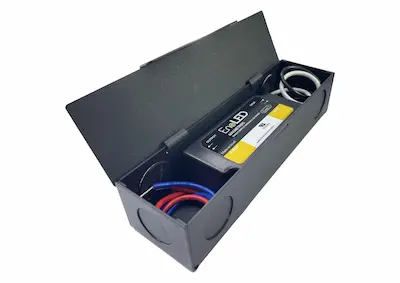
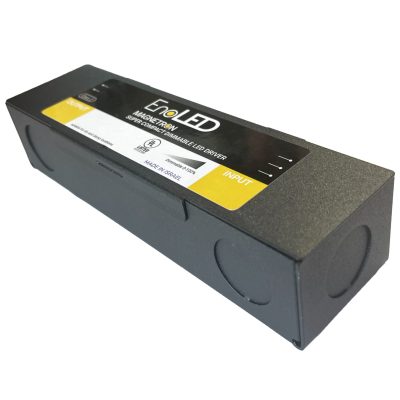
MX1 - High Power, Phase Cut Dimmable Series

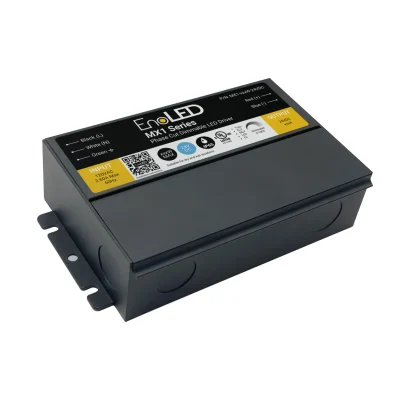
MX2 - Multi Output, Class 2, Phase Cut Dimmable Series
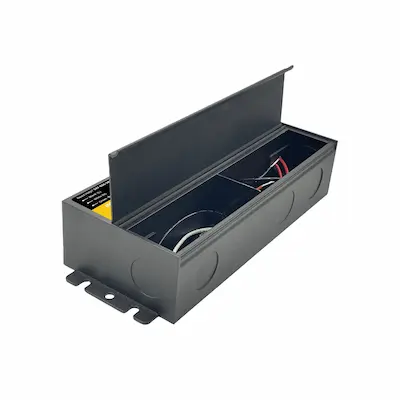
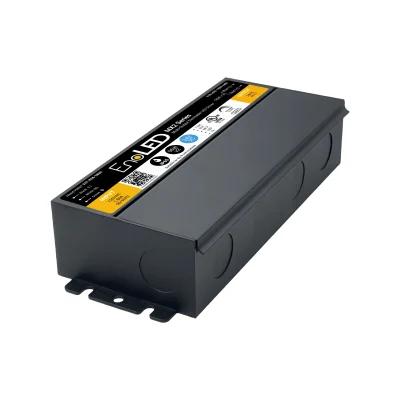
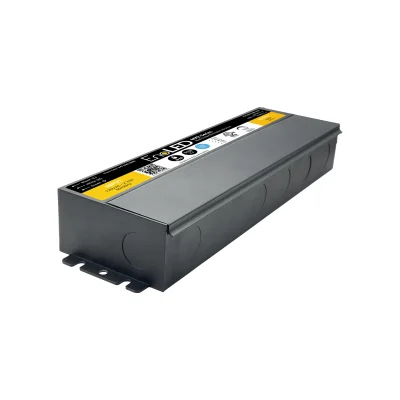
MRD - Phase Cut Dimmable Series
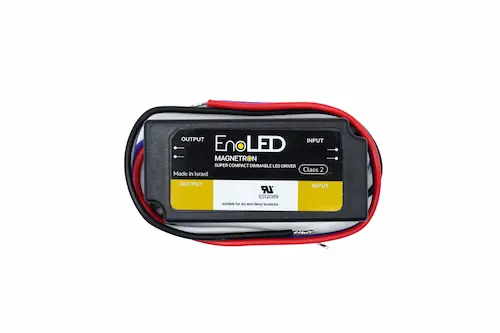

ProDrive Series - Low Profile 5-in-1 Dimmable Series
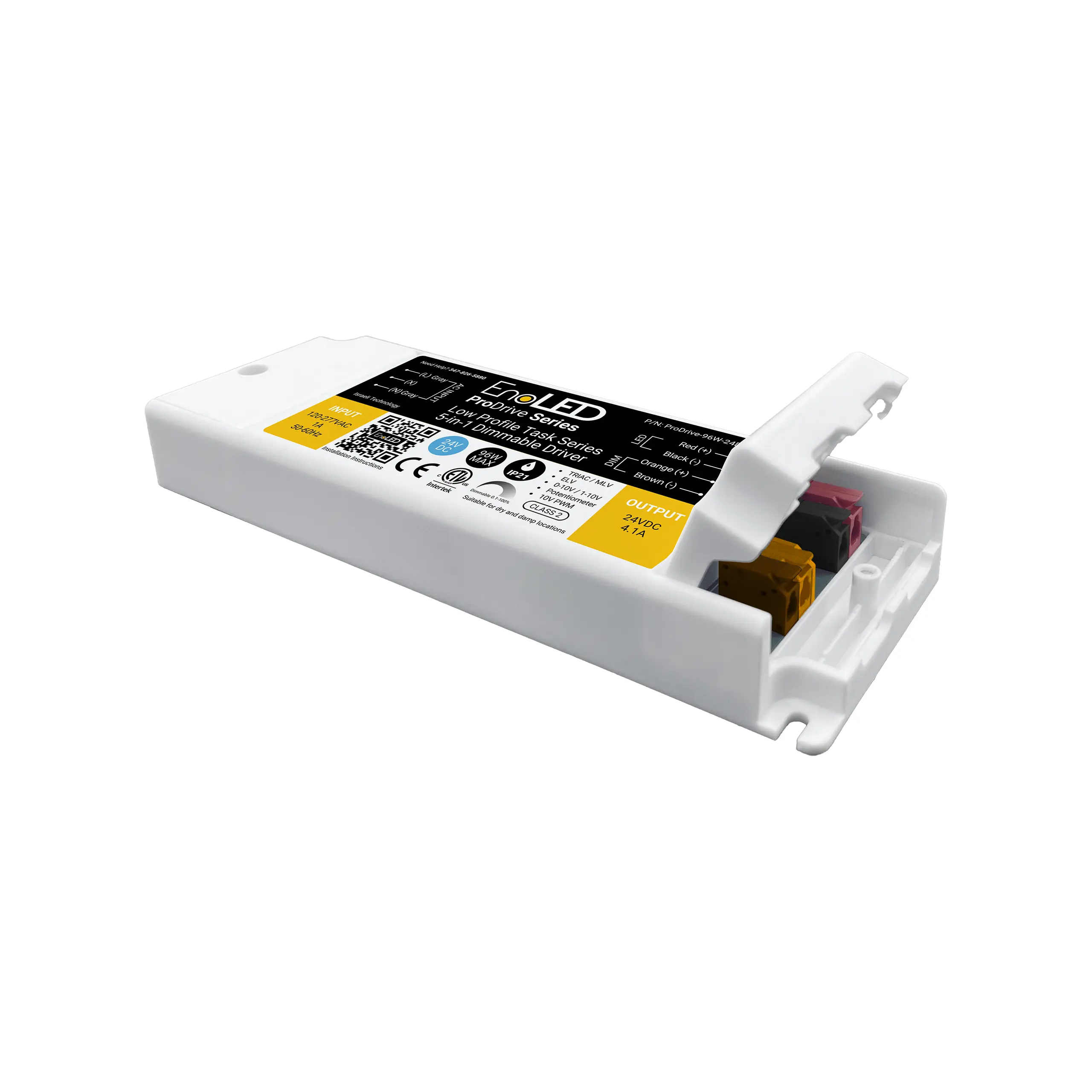
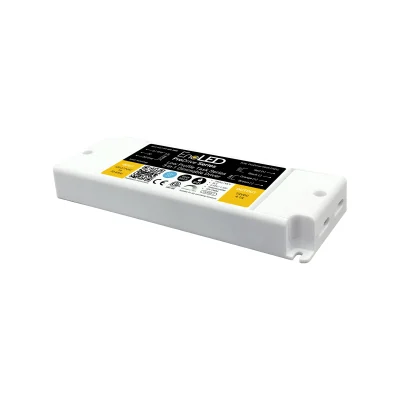
NanoDrive - 0-10V Dimmable Series
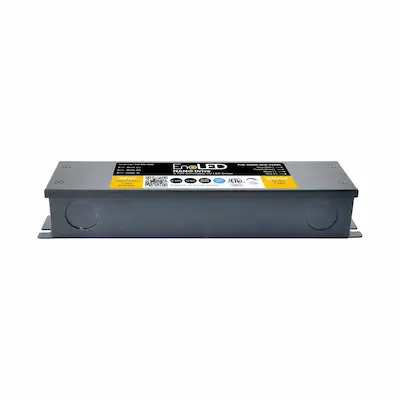
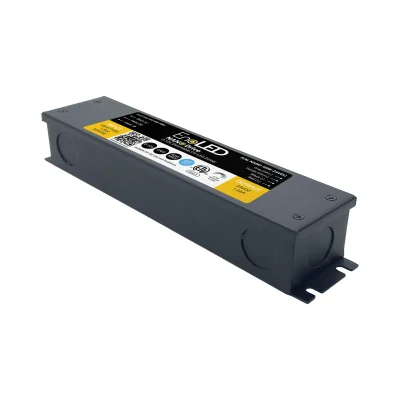
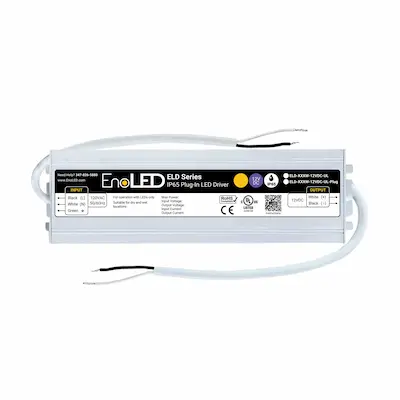
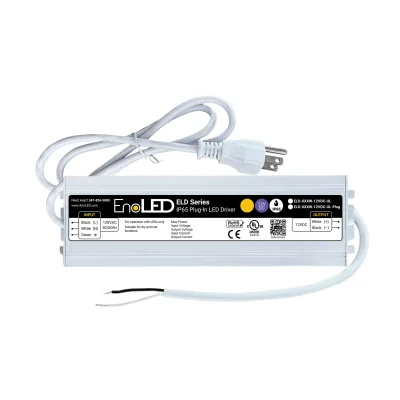
ELD - IP65 Non-Dim Series
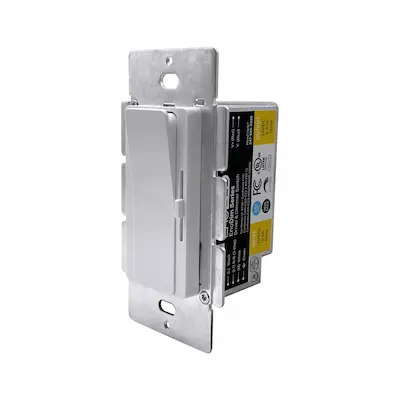
EnoDim - Driver & Dimmer Switch Series
96W Dimmable LED Driver: Complete Guide to Selection, Installation, and Optimization
The 96W dimmable LED driver represents a versatile and popular choice for LED lighting installations requiring both adequate power capacity and brightness control. Whether you’re designing residential accent lighting, commercial displays, hospitality environments, or architectural installations, understanding how to select and implement 96W dimmable LED drivers ensures you achieve smooth, flicker-free dimming performance that enhances any space.
Understanding the 96W Dimmable LED Driver
A 96W dimmable LED driver is an electrical device that converts standard AC mains voltage into regulated DC power for LED lighting while supporting dimming control, with a maximum power output capacity of 96 watts.
The “96W” indicates the driver’s maximum power capacity—the total wattage it can safely deliver to connected LED lights. This capacity suits most residential and light commercial applications. For standard LED strip lights consuming 4.8 watts per foot, a 96W driver can power approximately 15-17 feet when leaving appropriate 20-30% capacity headroom for optimal performance and longevity.
“Dimmable” distinguishes these drivers from non-dimmable units. While non-dimmable drivers operate at fixed output only, dimmable drivers include sophisticated circuitry that accepts dimming signals and adjusts output accordingly while maintaining stable current to the LEDs. This capability enables brightness control from 100% down to very low levels—typically 10% or even 1-5% with quality drivers.
The dimming functionality transforms LED lighting from simple illumination into a versatile tool for creating ambiance, adjusting for different activities, reducing energy consumption during low-demand periods, and supporting circadian rhythm lighting
Types of Dimming Protocols
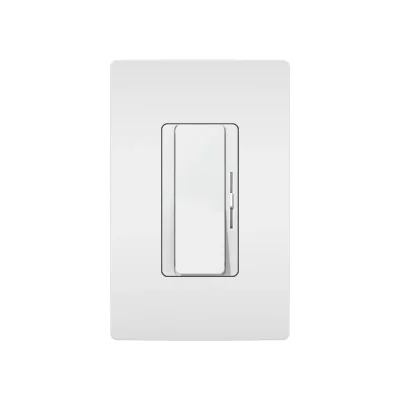
Phase-Cut Dimming (TRIAC): Phase-cut dimming is the most common residential dimming method because it works with standard household wiring without requiring additional control wires. Two types exist: leading-edge dimmers that cut the front of the waveform, and trailing-edge dimmers that cut the back. For LED applications, trailing-edge dimmers generally perform better, producing less audible buzzing and smoother dimming at low levels.
0-10V Dimming: The 0-10V dimming protocol uses a separate low-voltage control wire to communicate dimming levels between the dimmer and driver. A 10V signal commands full brightness, while 0V signals minimum brightness. This method provides extremely smooth, reliable dimming and is the standard in commercial lighting applications. However, it requires running an additional control wire alongside power wiring.
PWM (Pulse Width Modulation) Dimming: PWM dimming rapidly switches LEDs on and off at frequencies too fast for human eyes to detect. By varying the ratio of on-time to off-time, perceived brightness changes smoothly. PWM offers excellent color consistency across all dimming levels and precise control.
DALI (Digital Addressable Lighting Interface): DALI is an advanced digital protocol allowing individual control of multiple fixtures on the same circuit. It’s common in sophisticated commercial and architectural lighting installations where complex control, monitoring, and scene programming are essential
Key Specifications for 96W Dimmable Drivers
Input Voltage: Confirm the driver accepts your local voltage. North American residential applications use 120V AC, while commercial buildings might use 277V AC. European installations typically operate at 230V AC. Some drivers offer universal input accepting 100-277V AC.
Output Voltage: The output voltage must exactly match your LED products. Common options include 12V DC and 24V DC for LED strip lighting. Using incorrect output voltage either fails to power the LEDs or destroys them instantly.
Dimming Range: Quality dimmable drivers should dim to at least 10% of maximum brightness. Premium units achieve 1-5% minimum brightness, allowing very subtle lighting effects.
Dimming Protocol Compatibility: Ensure the driver supports the dimming protocol you’re using. A driver designed for phase-cut dimming won’t work with 0-10V dimmers, and vice versa.
Efficiency Rating: Look for drivers with efficiency ratings of 85% or higher. Premium 96W drivers achieve 88-92% efficiency. A driver operating at 90% efficiency converts 106.7 watts of AC input into 96 watts of DC output, wasting only 10.7 watts as heat.
Protection Features: Quality drivers include overcurrent protection, overvoltage protection, thermal protection, and short circuit protection. These features ensure reliable operation and protect both the driver and your LED investment.
IP Rating: Choose appropriate environmental protection. IP20 drivers suit dry indoor locations only. IP65 drivers resist water splashes. IP67 drivers withstand temporary submersion for outdoor installations
Installation Best Practices
Always disconnect power at the circuit breaker before beginning installation. Use a voltage tester to verify power is truly off. If you’re uncomfortable working with electrical systems, hire a licensed electrician.
Install the driver in a location with adequate ventilation. Even efficient drivers generate heat that must dissipate. Avoid enclosed spaces without ventilation, locations near heat sources, areas subject to moisture unless using an IP-rated driver, and spaces difficult to access for maintenance.
Wiring for Phase-Cut Dimming: For phase-cut systems, install the dimmer switch in the wall box. The dimmer interrupts the hot wire feeding power to the driver. Standard two-wire installation connects the dimmer in series with the Line wire to the driver. Wire the driver’s input terminals following manufacturer instructions, then wire the driver’s output to your LED lights, maintaining proper polarity.
Wiring for 0-10V Dimming: For 0-10V systems, run both power wiring and separate low-voltage control wiring. The power wiring connects normally—Line, Neutral, and Ground. The control wiring runs from the 0-10V dimmer’s control output terminals to the driver’s dimming input terminals.
Load Calculation: Calculate your total LED load before connecting. This total should not exceed 70-80 watts to leave 20-30% capacity headroom. Operating drivers at 70-80% capacity significantly extends lifespan and reduces heat generation.
After completing all connections, test the system thoroughly. Verify lights illuminate at full brightness, dimmer control works smoothly across the full range, no flickering occurs, and no buzzing or humming is audible
Troubleshooting Common Dimming Issues
Flickering at Low Brightness: If lights flicker when dimmed to low levels, the LED load might be below the dimmer’s minimum requirement. Try adding additional LED load or adjusting the dimmer’s minimum brightness setting if available. Incompatibility between dimmer and driver can also cause flickering.
Buzzing or Humming: Audible noise typically results from electrical resonance between the dimmer and driver. This is more common with phase-cut dimming, especially leading-edge dimmers. Switching to trailing-edge dimmers often eliminates buzzing. Relocating the driver away from living spaces reduces audible annoyance.
Limited Dimming Range: If lights won’t dim below 30-40% brightness, adjust the dimmer’s low-end trim if available. Verify that both dimmer and driver are rated for the dimming range you need.
Dimmer Not Responding: If the dimmer has no effect but lights work at full brightness, verify all wiring connections are secure. Confirm the driver is actually a dimmable model. Check that dimmer and driver use compatible protocols
Applications for 96W Dimmable LED Drivers
Residential Under-Cabinet Lighting: Kitchen and bathroom under-cabinet lighting benefits enormously from dimming capability. Bright task lighting assists food preparation, while dimmed lighting creates ambient evening atmosphere.
Entertainment Centers: Home theater lighting uses dimming to create optimal viewing environments. Bright lighting for general use dims to low levels during movie watching.
Restaurant and Hospitality: Restaurants, hotels, and bars depend on dimmable lighting to create appropriate atmospheres. Bright lighting during daytime service transitions to intimate, dimmed lighting for evening dining.
Retail Displays: Retail environments use dimmable LED lighting to highlight merchandise effectively. Brightness adjusts throughout the day to maintain optimal product presentation.
Residential Accent Lighting: Cove lighting, architectural accents, and decorative installations benefit from dimming that adjusts lighting intensity for different occasions.
Bedroom and Living Areas: Bedrooms particularly benefit from dimmable lighting supporting various activities. Bright light for cleaning dims to low levels for relaxation and sleep preparation
Frequently Asked Questions
What does “96W dimmable LED driver” mean? It’s an LED driver that converts AC mains power to DC for LEDs, can supply up to 96 watts of power, and supports dimming control allowing brightness adjustment from full output to low levels.
Can any dimmer work with a dimmable LED driver? No, the dimmer must be compatible with your specific driver’s dimming protocol. Phase-cut dimmers don’t work with 0-10V drivers and vice versa. Always verify compatibility.
How low can dimmable LED drivers dim? Quality drivers dim to 10% of maximum brightness, while premium units achieve 1-5% for very subtle lighting effects.
Do I need special wiring for dimmable LED drivers? For phase-cut dimming, standard two-wire installation works fine. For 0-10V dimming, you need additional low-voltage control wiring between the dimmer and driver.
Why does my dimmable LED lighting flicker? Common causes include incompatibility between dimmer and driver, LED load below the dimmer’s minimum requirement, poor-quality components, or incorrect wiring.
Can I use a 96W dimmable driver for non-dimming applications? Yes, dimmable drivers work perfectly at full brightness without dimmers connected. However, they cost more than non-dimmable equivalents.
How much more do dimmable drivers cost? Dimmable drivers typically cost 30-60% more than equivalent non-dimmable models. For a 96W driver, expect to pay $40-90 for dimmable versus $25-50 for non-dimmable.
What’s the difference between leading-edge and trailing-edge dimmers? Leading-edge dimmers cut the front of the AC waveform, while trailing-edge dimmers cut the back. For LED applications, trailing-edge typically performs better with less buzzing and smoother dimming
Summary
A 96W dimmable LED driver provides the ideal combination of adequate power capacity and brightness control for most residential and light commercial LED installations. These drivers convert AC mains power to regulated DC for LEDs while supporting various dimming protocols including phase-cut, 0-10V, PWM, and DALI.
Selecting the right driver requires understanding dimming protocols, verifying compatibility between drivers and dimmers, choosing appropriate specifications including voltage and IP rating, and ensuring sufficient capacity with 20-30% headroom. Proper installation with correct wiring, adequate ventilation, and thorough testing ensures smooth, flicker-free dimming performance.
Common issues like flickering, buzzing, and limited dimming range typically stem from compatibility problems or incorrect settings. Systematic troubleshooting resolves most problems through component selection or adjustment.
The versatility of 96W dimmable drivers makes them suitable for under-cabinet lighting, entertainment centers, hospitality environments, retail displays, and residential accent lighting
Customer Testimonials