
Dimmable LED drivers
- Home /
- Learning Center /
- Dimmable LED drivers
LED Drivers
XRD - Phase Cut Dimmable Series
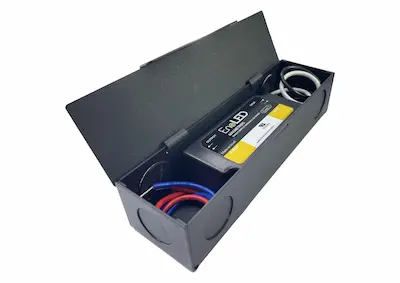
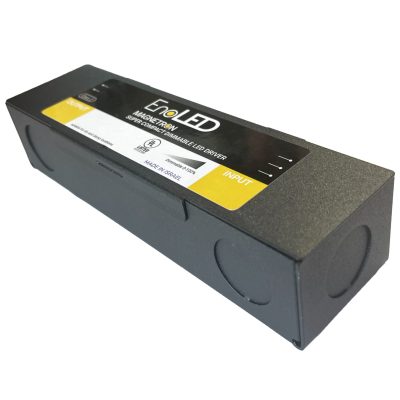
MX1 - High Power, Phase Cut Dimmable Series

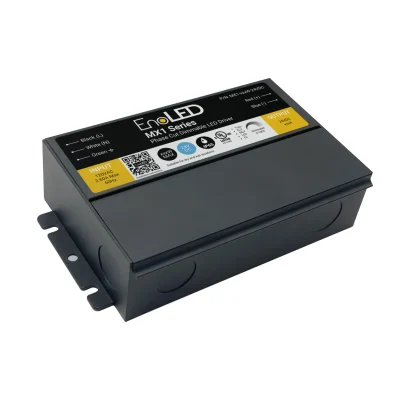
MX2 - Multi Output, Class 2, Phase Cut Dimmable Series
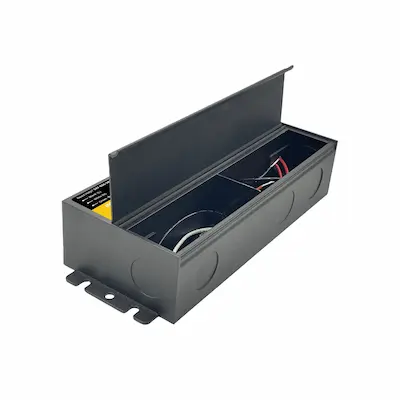
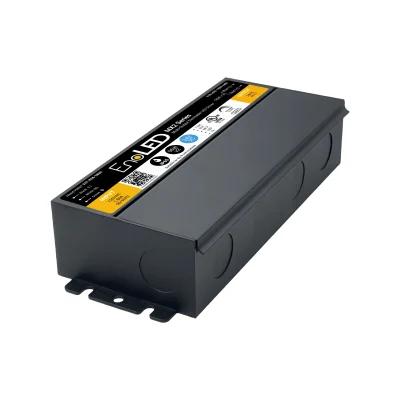
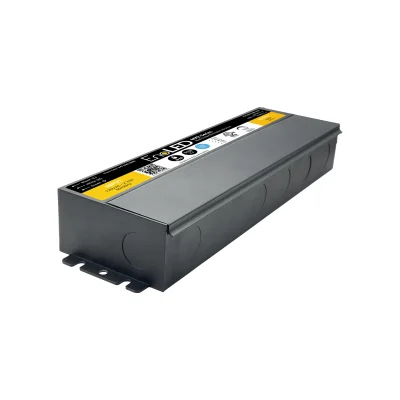
MRD - Phase Cut Dimmable Series
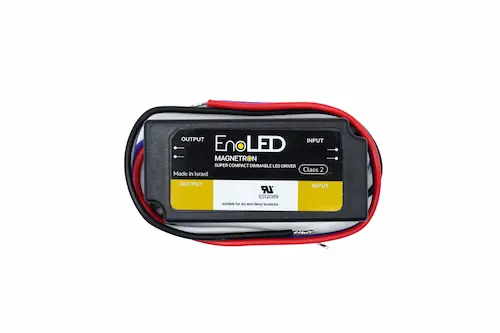

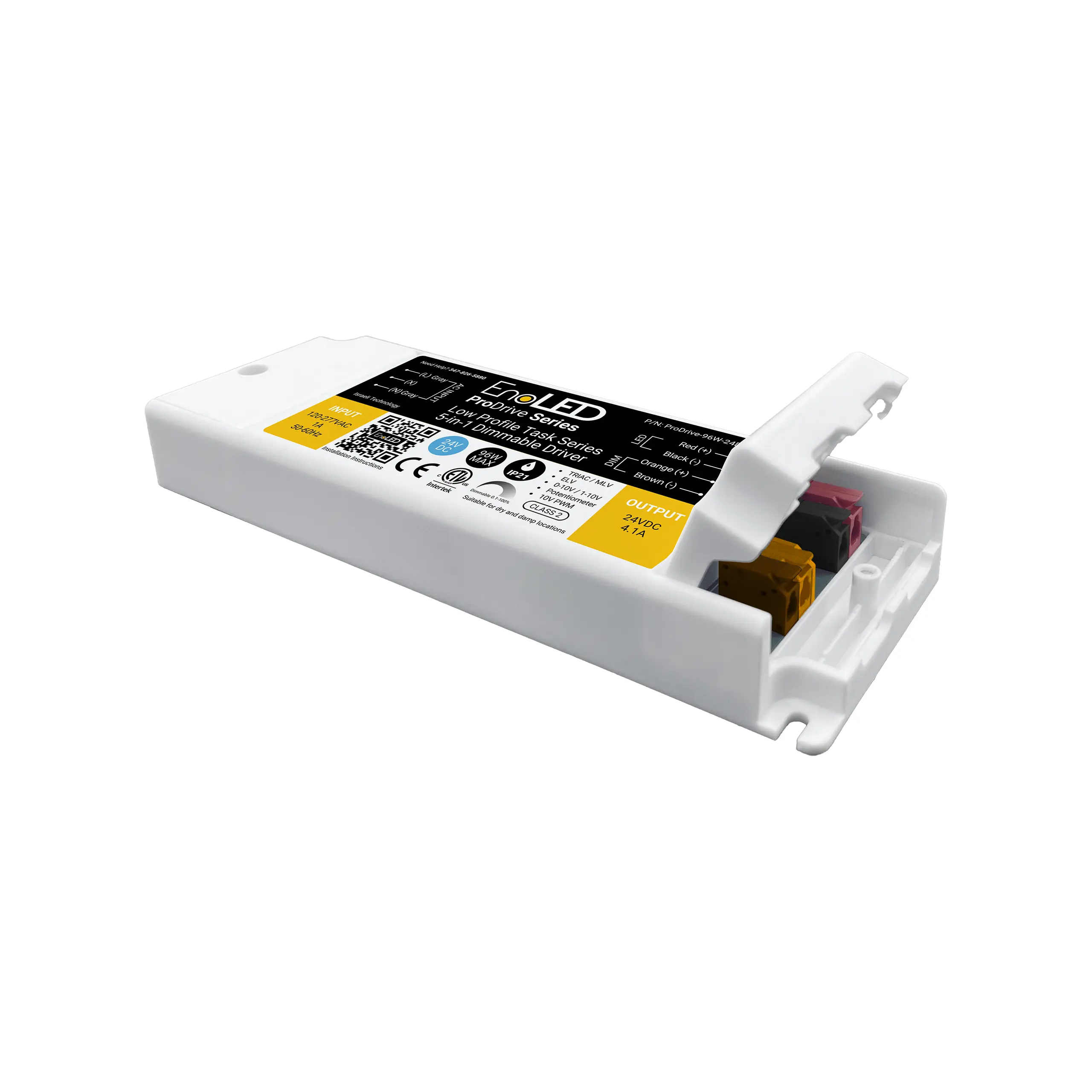
ProDrive Series - Low Profile 5-in-1 Dimmable Series
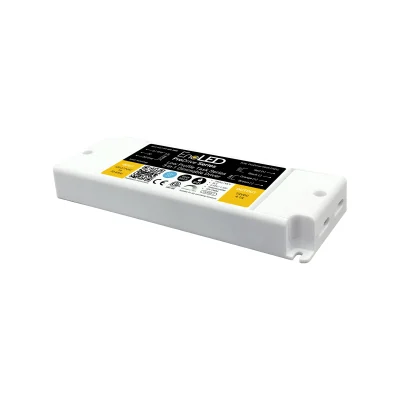
NanoDrive - 0-10V Dimmable Series
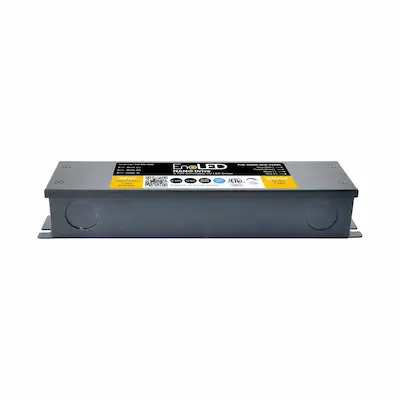
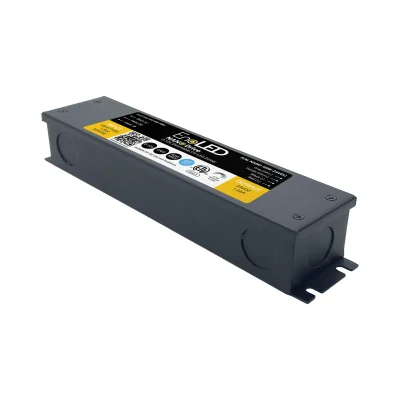
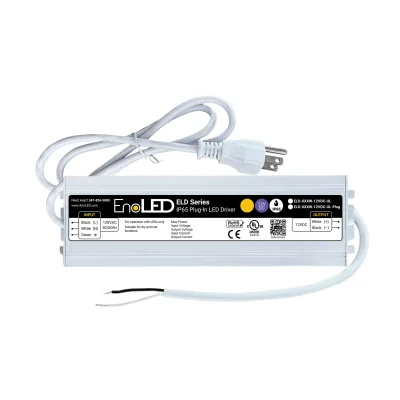
ELD - IP65 Non-Dim Series
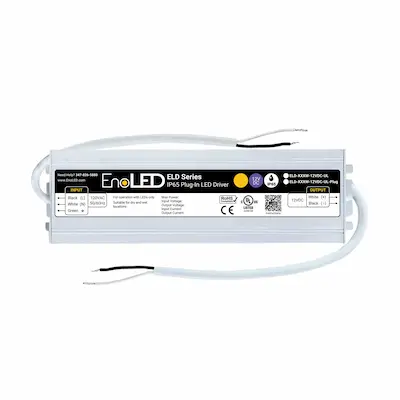
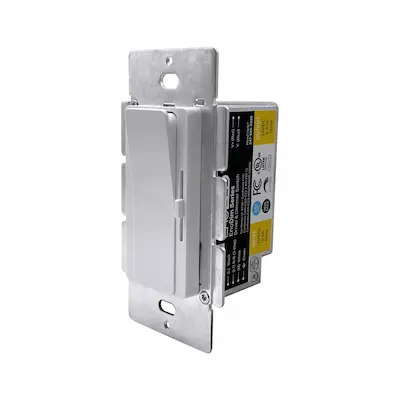
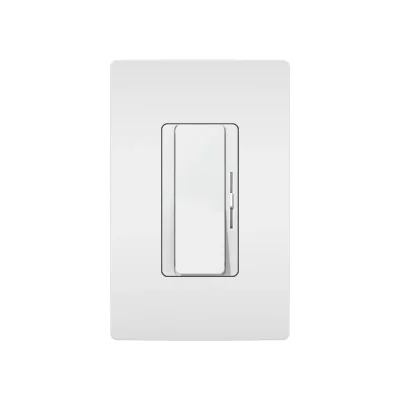
EnoDim - Driver & Dimmer Switch Series
Dimmable LED Drivers: Professional Guide to Specification and Implementation
The ability to control light intensity has become a fundamental expectation in modern commercial and architectural lighting, yet achieving smooth, reliable dimming with LED systems requires far more than simply installing a dimmer switch. Dimmable LED drivers represent the critical component enabling brightness control in LED installations, but their specification demands careful attention to compatibility, performance characteristics, and application requirements. Unlike traditional incandescent dimming where reducing voltage naturally dims the lamp, LED systems require sophisticated electronics coordinating between dimming controls and LED arrays. For professionals—architects, lighting designers, contractors, and project managers—understanding dimmable LED drivers is essential for delivering installations that provide the atmosphere control, energy management, and user satisfaction that modern projects demand.
Inadequate specification of dimmable LED drivers remains a frequent cause of post-installation issues including flickering, limited dimming range, audible noise, and incompatibility with building control systems.
What Are Dimmable LED Drivers?
Dimmable LED drivers are specialized power supplies that convert AC mains voltage to regulated DC power for LED operation while incorporating circuitry that accepts and responds to dimming control signals. These devices perform dual functions: providing stable power conversion and regulation like all LED drivers, while also modulating LED output in response to dimming commands from control devices.
LEDs require precise current regulation and cannot be dimmed simply by reducing voltage as incandescent lamps were. Instead, dimmable LED drivers employ sophisticated control methods that maintain proper LED current regulation while varying output to achieve desired brightness levels.
Dimmable LED drivers support various dimming protocols, each with distinct characteristics and compatibility requirements.
Phase-cut dimming (TRIAC) represents the most common residential and light commercial protocol. Phase-cut dimmers literally “cut” portions of the AC waveform to signal desired brightness levels. Trailing-edge typically performs better for LED applications with reduced electromagnetic interference and superior low-level dimming. Phase-cut advantages include compatibility with existing two-wire installations and familiar wall-switch form factor. Disadvantages include potential electromagnetic interference and audible buzzing with some driver combinations.
0-10V dimming uses separate low-voltage control wire to communicate dimming levels. A 10V signal commands full brightness while 0V signals minimum brightness (typically 10%). This analog protocol provides exceptionally smooth dimming and represents the commercial lighting standard. 0-10V advantages include very smooth performance and excellent cross-manufacturer compatibility. The disadvantage is requiring additional control wiring.
PWM (Pulse Width Modulation) dimming rapidly switches LED output on and off at frequencies exceeding human visual perception. PWM offers excellent color consistency across dimming range and precise digital control.
DALI (Digital Addressable Lighting Interface) provides advanced bidirectional digital communication enabling individual fixture addressing, scene programming, and system monitoring. DMX serves entertainment and architectural applications.
The dimming protocol directly determines compatibility requirements, installation complexity, and achievable performance.
Why Dimmable LED Drivers Matter for Professional Projects
Dimmable LED drivers enable capabilities extending far beyond simple brightness adjustment, delivering value across energy management, occupant comfort, code compliance, and operational flexibility.
Energy management represents a quantifiable benefit. Dimming LEDs reduces energy consumption approximately proportional to brightness reduction. Dimming to 50% brightness typically saves 40-50% energy. When combined with daylight harvesting, occupancy sensing, and task tuning strategies, dimming enables lighting energy reductions of 50-70% beyond static LED installations.
Occupant comfort and productivity improve with lighting that adapts to activities, time of day, and individual preferences. Research demonstrates that lighting control correlates with increased occupant satisfaction and perceived environmental quality.
Code compliance increasingly mandates dimming and multilevel control capabilities. ASHRAE 90.1, California Title 24, and many local energy codes require automatic lighting controls including multilevel switching, daylight responsive controls, and occupancy-based dimming.
Extended LED lifespan results from operating at reduced output. LEDs dimmed to 50% brightness may last twice as long as those operated continuously at full output due to reduced thermal stress.
Operational flexibility enables spaces to adapt to changing uses without electrical modifications. Conference rooms transition from presentations to video conferences. Retail environments adjust lighting for different merchandise or promotional events.
Integration with building automation systems transforms lighting from isolated circuits to programmable building systems, enabling demand response programs, security integration, HVAC coordination, and building performance optimization.
Applications and Use Cases for Dimmable LED Drivers
Dimmable LED drivers serve diverse commercial and architectural applications, each with specific performance requirements.
Office environments utilize dimmable LED drivers for daylight harvesting near windows, task tuning allowing occupants to adjust lighting, conference rooms requiring varied lighting, and integration with building automation. Typical office applications employ 0-10V dimming for smooth performance.
Hospitality projects depend heavily on dimmable LED drivers creating appropriate atmospheres. Guest rooms require smooth dimming from bright task lighting to low-level ambient, restaurants transition from energetic to intimate environments, and ballrooms adapt to varied events. Hospitality applications demand deep dimming capability (1-5% minimum) without flicker or color shift.
Retail environments employ dimmable LED drivers for accent lighting highlighting merchandise, general ambient lighting, window displays, and façade lighting. Smooth dimming and excellent color consistency become critical specifications.
Healthcare facilities implement dimmable LED drivers in patient rooms with tunable intensity supporting circadian rhythms, corridors balancing wayfinding and patient comfort, and examination areas requiring varied light levels. Flicker-free performance becomes essential.
Educational institutions utilize dimmable LED drivers in classrooms adjusting lighting for presentations versus reading, libraries supporting varied study activities, and multipurpose spaces serving diverse functions.
Architectural and museum applications require dimmable LED drivers for precise control protecting light-sensitive materials, highlighting exhibits, and creating visual hierarchy.
Key Technical Considerations for Dimmable LED Drivers
Successful specification of dimmable LED drivers requires attention to technical factors determining compatibility and performance.
Dimming protocol compatibility represents the most critical specification decision. The driver dimming protocol must match the dimmer and control system protocol exactly. Mismatched protocols cause complete failure to dim or severe performance issues.
Within protocol categories, specific driver-dimmer compatibility varies significantly. Not all phase-cut dimmers work reliably with all phase-cut dimmable drivers. Manufacturers publish compatibility lists showing tested combinations. Professional specifications reference these lists or require pre-installation testing.
Dimming range indicates minimum achievable brightness. Quality dimmable LED drivers dim to 10% of maximum output. Premium drivers achieve 1-5% enabling very subtle lighting effects. Budget drivers may only dim to 30-40%.
Dimming performance encompasses smoothness, absence of flicker, and color consistency. Smooth dimming transitions continuously from maximum to minimum without visible steps. Flicker-free operation requires drivers maintaining output frequency above perceptible levels (typically 200+ Hz). Color consistency ensures color temperature remains stable as brightness changes.
Load requirements affect dimmer-driver compatibility. Dimmers have minimum and maximum load specifications. If total LED load falls below the dimmer minimum (typically 25-40W), flickering occurs. If load exceeds maximum, the dimmer overheats.
Driver efficiency affects energy savings and heat generation. Quality dimmable drivers maintain 85-92% efficiency throughout the dimming range.
Control wiring requirements vary by protocol. Phase-cut dimming requires only standard two-wire power connections. 0-10V dimming requires additional two-conductor low-voltage control wire. DALI requires data cabling.
Integration capabilities determine compatibility with building automation systems. Some dimmable LED drivers include communication interfaces enabling centralized monitoring, scheduling, and demand response.
Environmental considerations affect driver location and longevity. Dimmable drivers may generate slightly more heat than non-dimmable equivalents. Adequate ventilation and appropriate ambient temperature ratings ensure reliable operation.
Common Mistakes in Dimmable LED Driver Specification
Understanding frequent errors enables proactive prevention.
Assuming universal compatibility represents the most common error. “LED-compatible” dimmers don’t necessarily work with all dimmable LED drivers. Always verify compatibility through manufacturer documentation or physical testing before full deployment.
Inadequate load calculation leads to loads below dimmer minimums causing flickering or loads above maximums causing dimmer failure. Calculate total connected LED wattage and verify it falls within dimmer load specifications.
Ignoring dimming range specifications results in disappointment when systems only dim to 30-40% rather than expected 5-10%. Verify minimum dimming level specifications match application requirements.
Overlooking control wiring requirements for 0-10V or DALI systems creates installation delays. Identify dimming protocol and plan appropriate wiring during design phase.
Neglecting driver location accessibility creates service challenges when drivers eventually require replacement. Specify accessible driver locations.
Insufficient testing and commissioning allows dimming issues to remain undetected until occupancy. Testing should verify smooth dimming across full range, absence of flickering, no audible noise, and proper response to control signals.
Selecting Dimmable LED Drivers for Professional Projects
Systematic evaluation ensures appropriate dimmable driver selection.
Define dimming requirements clearly including desired minimum brightness level (1%, 5%, 10%), dimming protocol appropriate to project (phase-cut, 0-10V, DALI), control system integration needs, and number of zones and control points.
Evaluate driver quality indicators including recognized certifications, efficiency across dimming range, rated lifespan at specified temperatures, comprehensive protection features, and manufacturer reputation for dimming performance.
Verify compatibility explicitly through manufacturer compatibility lists showing tested driver-dimmer combinations, physical mockup testing with actual products, and commissioning procedures validating performance.
Assess installation requirements including control wiring needs beyond power wiring, driver location and accessibility, mounting provisions, and coordination with electrical and controls trades.
Consider lifecycle economics including initial cost premium for dimming capability (typically 30-60% over non-dimmable), energy savings from dimming strategies, extended LED lifespan from reduced output operation, and total cost of ownership over evaluation period.
Plan commissioning procedures including illumination level verification across dimming range, flicker testing at all levels, control response verification, and documentation for operation and maintenance.
Request and review documentation including complete technical specifications, dimming performance curves, compatibility verification, installation instructions, and warranty terms.
Conclusion
Dimmable LED drivers enable the brightness control, energy management, and occupant comfort that distinguish superior lighting installations from basic illumination. However, realizing these benefits requires understanding that dimming performance depends on careful specification ensuring compatibility between drivers, dimmers, and control systems.
Success with dimmable LED drivers demands identifying the appropriate dimming protocol for the application, verifying explicit compatibility between specific driver and dimmer products, specifying adequate dimming range for intended use, planning control wiring and installation requirements, and implementing thorough commissioning procedures validating performance.
The systematic approach outlined in this guide provides professionals with a framework for specifying dimmable LED drivers that deliver smooth, reliable dimming throughout their operational lifespan while avoiding common pitfalls that compromise performance and create costly post-installation issues.