
LED driver dimmer
- Home /
- Learning Center /
- LED driver dimmer
LED Drivers
XRD - Phase Cut Dimmable Series
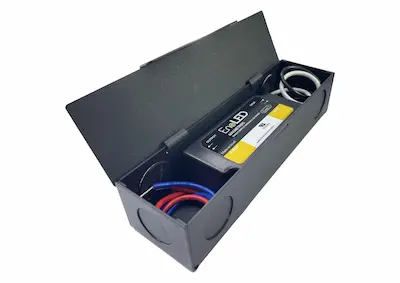
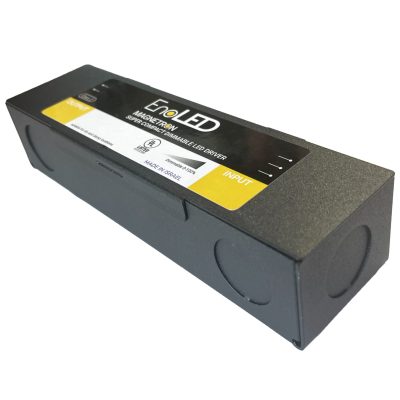
MX1 - High Power, Phase Cut Dimmable Series

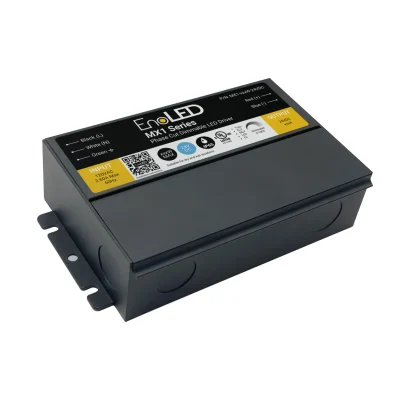
MX2 - Multi Output, Class 2, Phase Cut Dimmable Series
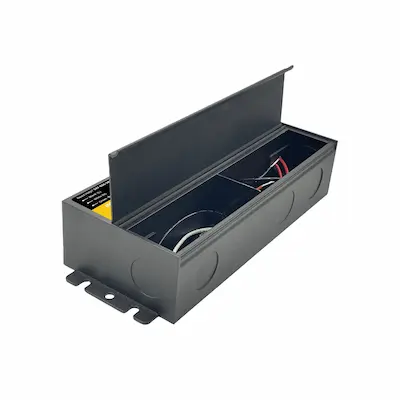
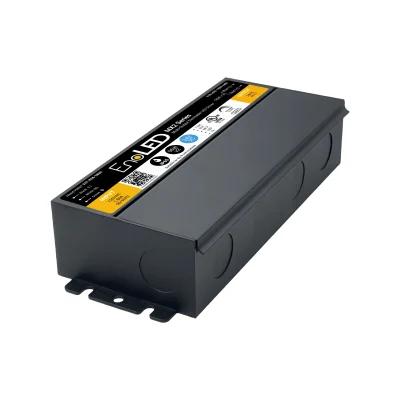
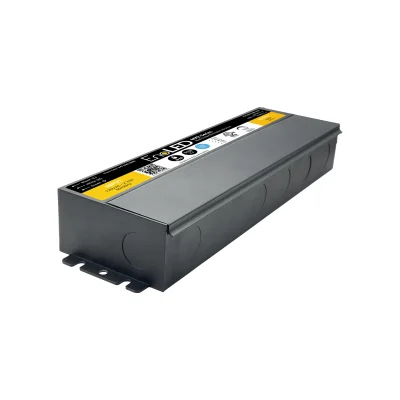
MRD - Phase Cut Dimmable Series
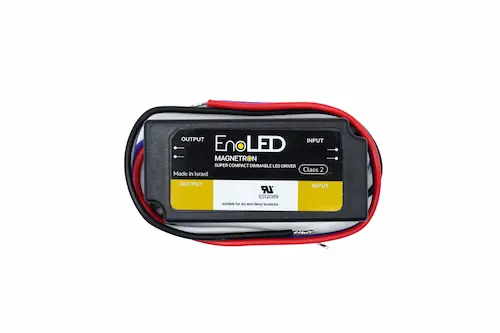

ProDrive Series - Low Profile 5-in-1 Dimmable Series
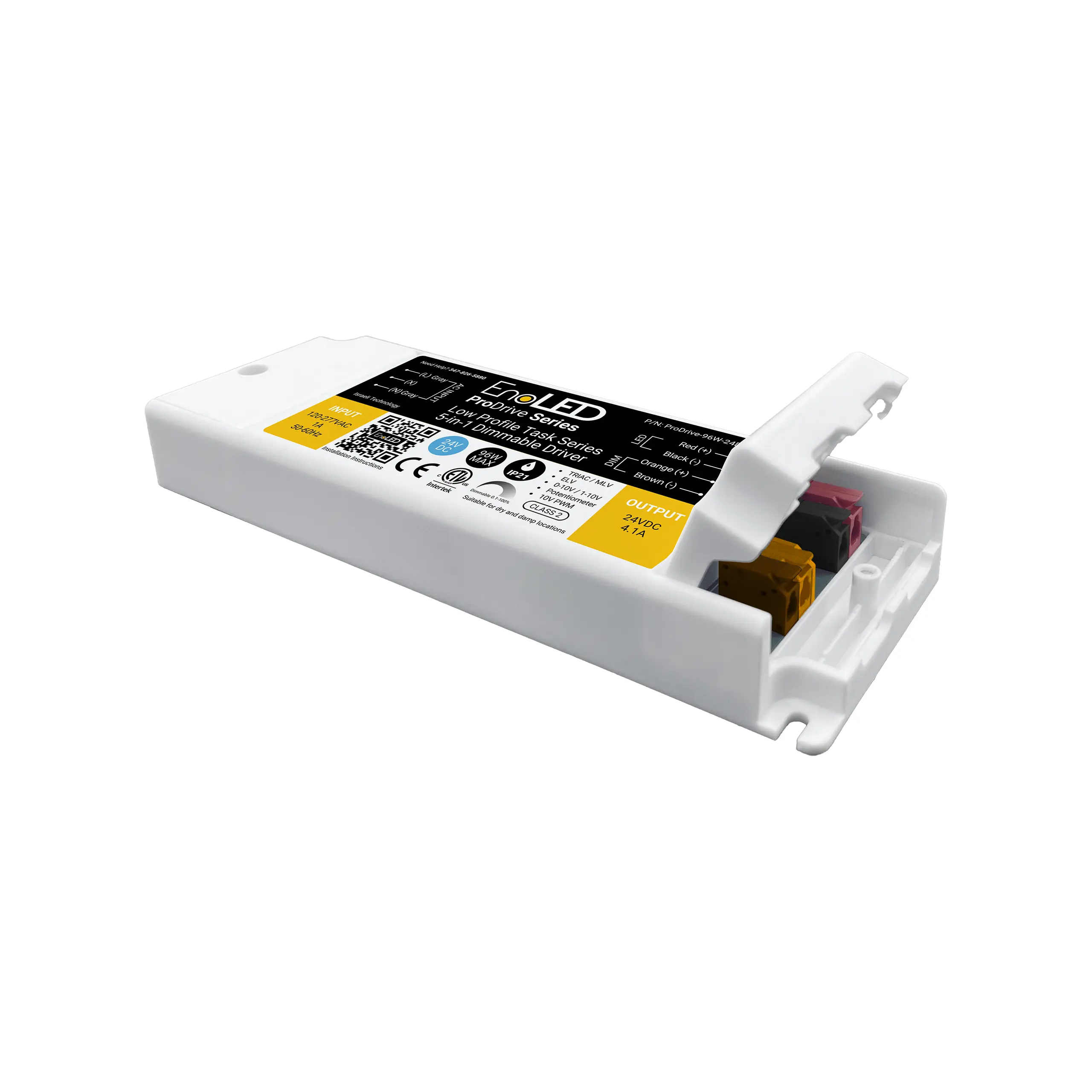
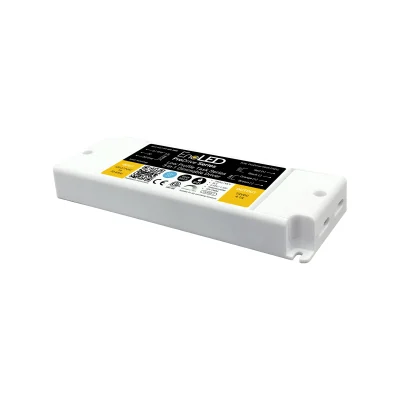
NanoDrive - 0-10V Dimmable Series
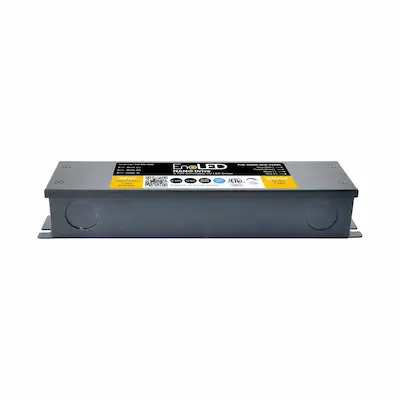
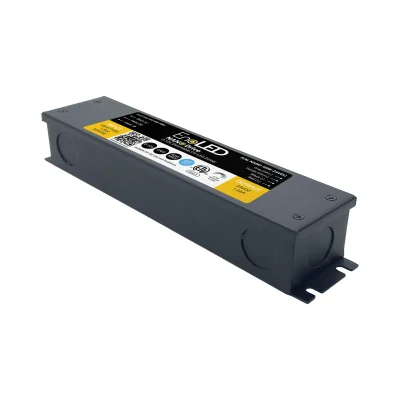
ELD - IP65 Non-Dim Series
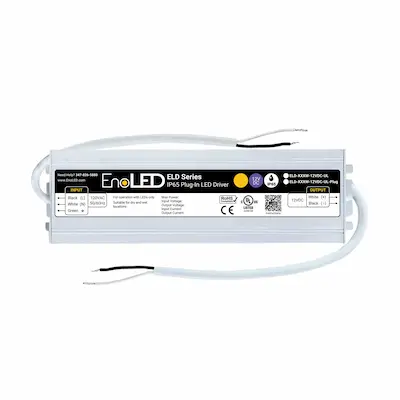
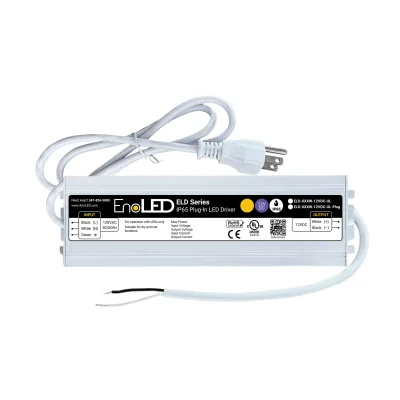
EnoDim - Driver & Dimmer Switch Series
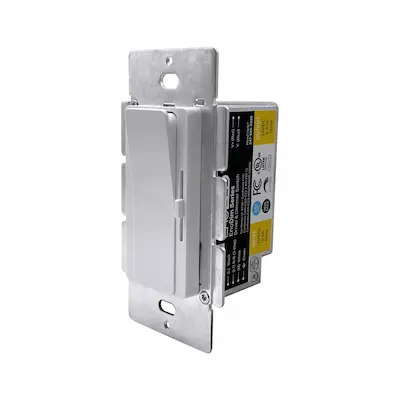
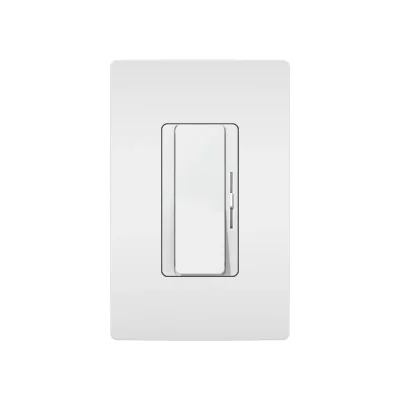
LED Driver Dimmer: Complete Guide to Compatible Dimming Systems
Creating the perfect lighting atmosphere requires more than just installing LED lights—it demands a harmonious relationship between LED drivers and dimmers that work together seamlessly. The LED driver dimmer combination represents one of the most critical yet misunderstood aspects of LED lighting installations. While LED technology offers exceptional energy efficiency and longevity, achieving smooth, flicker-free dimming requires careful selection and pairing of compatible LED drivers and dimmers.
Understanding the LED Driver Dimmer Relationship
An LED driver converts AC mains voltage into regulated DC power suitable for LED operation. A dimmer controls brightness by sending signals to the driver instructing it to adjust output. For LED systems to dim properly, these two components must communicate effectively using compatible protocols.
Why LED Dimming Is Complex:
Traditional incandescent bulbs dimmed easily because their filaments naturally produced less light as voltage decreased. LED lights don’t work this way. LEDs are semiconductor devices requiring precise current regulation regardless of brightness level.
Instead, the dimmer communicates desired brightness levels to the LED driver, which then adjusts its output while continuing to provide properly regulated current to the LEDs. This communication requires both devices to speak the same “language”—the dimming protocol.
When LED drivers and dimmers use incompatible protocols, you experience frustrating problems including visible flickering, audible buzzing, severely limited dimming range, complete failure to respond to dimmer commands, and premature component failure.
Types of LED Driver Dimmer Protocols
Phase-Cut Dimming (TRIAC):
Phase-cut dimming is the most common residential dimming method because it works with standard two-wire installation using existing household wiring. This technology literally “cuts” portions of the AC waveform to reduce power delivery.
Two variants exist: leading-edge dimmers cut the front of the AC waveform and were originally designed for incandescent bulbs. They work with some LED drivers but can cause buzzing. Trailing-edge dimmers cut the back of the waveform and generally perform better with electronic loads like LED drivers, producing less audible noise and smoother dimming at low levels.
Phase-cut advantages include no additional control wiring required (ideal for retrofits), familiar wall-switch form factor, and widely available products. Disadvantages include potential electromagnetic interference, audible buzzing with some combinations, and limited minimum dimming levels.
0-10V Dimming:
The 0-10V dimming protocol uses a separate low-voltage control wire to communicate dimming levels. A 10V signal commands full brightness, while 0V signals minimum brightness (typically around 10%).
This analog control method provides exceptionally smooth, reliable dimming and is the standard in commercial lighting applications. The separate control signal eliminates interference and noise issues common with phase-cut dimming.
0-10V advantages include very smooth dimming performance, excellent compatibility across manufacturers, and minimal electromagnetic interference. The disadvantage is requiring additional control wire alongside power wiring.
PWM (Pulse Width Modulation) Dimming:
PWM dimming rapidly switches LEDs on and off at frequencies too fast for human eyes to detect. By varying the ratio of on-time to off-time, perceived brightness changes smoothly.
PWM advantages include excellent color consistency across all dimming levels, very precise control, and digital control enabling complex effects. Disadvantages include some people can detect flicker and it requires compatible digital control systems.
DALI (Digital Addressable Lighting Interface):
DALI is an advanced digital protocol allowing individual control, monitoring, and programming of multiple fixtures. It’s common in sophisticated commercial and architectural lighting where complex control is essential.
DMX (Digital Multiplex):
DMX is the professional standard for entertainment and stage lighting, controlling up to 512 channels per universe. It offers precise control and synchronization of multiple fixtures.
Selecting Compatible LED Drivers and Dimmers
Verify Driver Dimming Capability:
Not all LED drivers support dimming. Non-dimmable drivers operate at fixed output only and will not respond to dimmer signals. Always verify that your LED driver explicitly states dimming capability and specifies which dimming protocols it supports.
Match Dimming Protocols:
Your dimmer and driver must use the same dimming protocol. A phase-cut dimmer won’t work with a 0-10V driver. A TRIAC dimmer won’t control a DALI driver. Carefully check both driver and dimmer specifications to ensure protocol compatibility.
Check Dimmer Load Requirements:
Dimmers have minimum and maximum load requirements. If your LED load is too small (below the dimmer’s minimum), the dimmer may not function properly, causing flickering or erratic behavior. If too large (exceeding the dimmer’s maximum), you’ll overload the dimmer.
Calculate your total LED wattage and select a dimmer rated appropriately. Most manufacturers recommend operating dimmers at 80% of their maximum capacity.
Consult Compatibility Lists:
Reputable dimmer manufacturers publish compatibility lists showing which LED drivers work reliably with their dimmers. These lists result from extensive testing and provide invaluable guidance. Lutron, Leviton, Mean Well, and Magnitude maintain comprehensive compatibility databases online.
Consider Quality and Brand Reputation:
Investing in quality components from reputable manufacturers significantly increases the likelihood of excellent dimming performance. Pairing quality components typically delivers superior results.
Installation Requirements for Different Protocols
Phase-Cut Dimming Installation:
Phase-cut systems use standard two-wire installation. Install the dimmer in the wall box where your light switch currently resides. The dimmer interrupts the hot wire feeding power to the LED driver. Wire the driver’s input terminals following manufacturer instructions. No additional control wiring is necessary.
0-10V Dimming Installation:
0-10V systems require both power wiring and separate low-voltage control wiring. Run standard power wiring from your electrical system to the driver’s input terminals. Additionally, run two-conductor low-voltage control wire from the dimmer’s control output terminals to the driver’s dimming input terminals, marked DIM+ and DIM-.
The control wiring can extend several hundred feet if necessary. Keep control wiring separate from power wiring to minimize electromagnetic interference.
Common LED Driver Dimmer Problems and Solutions
Flickering at Low Brightness:
If lights flicker when dimmed to low levels, the LED load might be below the dimmer’s minimum requirement. Solutions include adding additional LED load, using a dimmer with lower minimum requirements, or adjusting the dimmer’s minimum brightness trim adjustment.
Incompatibility between dimmer and driver also causes flickering. Consult compatibility lists or try different models.
Audible Buzzing or Humming:
Buzzing typically results from electrical resonance between the dimmer and driver. Solutions include switching to trailing-edge dimmers, using higher-quality drivers with better component selection, relocating the driver away from living spaces, or trying different dimmer brands.
Limited Dimming Range:
If lights won’t dim below 30-40% brightness, adjust the dimmer’s low-end trim if available. Verify that both dimmer and driver specifications support deep dimming. Try different compatible components.
Complete Failure to Dim:
If the dimmer has no effect, verify all wiring connections are secure. Confirm the driver is actually dimmable. Verify dimmer and driver use compatible protocols. Test with a different dimmer.
Lights Popping On or Off:
If lights suddenly pop on or off at certain dimmer positions rather than smoothly transitioning, the driver may not be compatible with your dimmer. Try adjusting dimmer settings or replacing with a confirmed compatible model.
Benefits of Properly Matched LED Drivers and Dimmers
Energy Savings:
Dimming LEDs reduces energy consumption proportionally. Dimming to 50% brightness typically saves 40-50% energy. In commercial installations, dimming can dramatically reduce electricity costs.
Extended LED Lifespan:
Operating LEDs at reduced brightness lowers operating temperature and electrical stress, significantly extending lifespan. LEDs dimmed to 50% can last twice as long as those run at full brightness continuously.
Improved Comfort and Atmosphere:
Adjustable lighting enhances comfort and creates appropriate atmospheres for different activities and times of day. This flexibility is essential in hospitality, residential, and many commercial applications.
Circadian Rhythm Support:
Combined with tunable white technology, dimming supports healthy circadian rhythms by mimicking natural daylight patterns.
Reduced Eye Strain:
Excessive brightness causes eye fatigue. Dimming capability allows users to adjust lighting to comfortable levels that reduce strain.
Frequently Asked Questions
What’s the difference between an LED driver and a dimmer? An LED driver converts AC mains voltage to regulated DC power for LEDs. A dimmer controls brightness by sending signals to the driver. Both are necessary for dimmable LED systems.
Can any dimmer work with any LED driver? No, the dimmer and driver must use compatible dimming protocols. Always verify compatibility before purchasing.
Why do my LED lights flicker when dimmed? Common causes include incompatibility between dimmer and driver, LED load below the dimmer’s minimum requirement, poor-quality components, or incorrect wiring.
Do I need special wiring for dimmable LED systems? For phase-cut dimming, standard two-wire installation works. For 0-10V dimming, you need additional low-voltage control wiring between the dimmer and driver.
What is 0-10V dimming? 0-10V is a dimming protocol using separate low-voltage control wire where 10V signals full brightness and 0V signals minimum brightness. It provides smooth, reliable dimming.
How low can LED lights dim? Quality systems can dim to 1-10% of maximum brightness. Budget combinations may have limitations preventing dimming below 30-40%.
Can I retrofit existing lights with dimmable LED systems? Yes. Phase-cut dimming works with existing two-wire installations. 0-10V dimming requires running additional control wiring.
Why does my LED dimmer buzz? Buzzing results from electrical resonance between the dimmer and driver. Solutions include switching to trailing-edge dimmers, using higher-quality drivers, or relocating drivers away from living spaces.
Summary
LED drivers and dimmers must work together as a compatible system to achieve smooth, reliable dimming performance. The LED driver regulates power to the LEDs, while the dimmer communicates desired brightness levels. Compatibility between these components is essential—mismatched protocols cause flickering, buzzing, limited dimming range, or complete failure.
Several dimming protocols exist including phase-cut (TRIAC), 0-10V, PWM, DALI, and DMX. Each has specific characteristics and installation requirements. Selecting compatible components requires verifying dimming capability, matching protocols precisely, checking load requirements, and consulting manufacturer compatibility lists.
Common problems typically stem from compatibility issues or incorrect settings. Systematic troubleshooting resolves most issues. Properly matched LED drivers and dimmers deliver substantial benefits including energy savings, extended LED lifespan, improved comfort, and task-appropriate lighting control.
Customer Testimonials