
LED driver for LED strip
- Home /
- Learning Center /
- LED driver for LED strip
LED Drivers
XRD - Phase Cut Dimmable Series
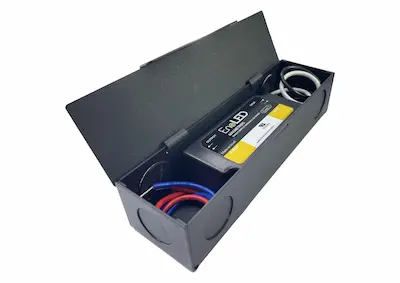
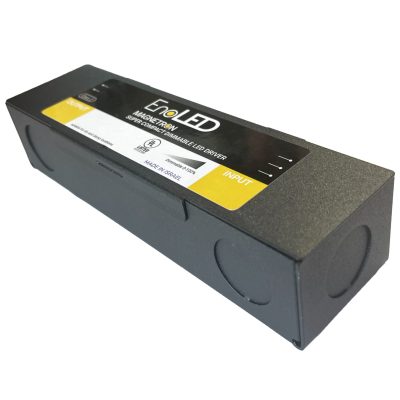
MX1 - High Power, Phase Cut Dimmable Series

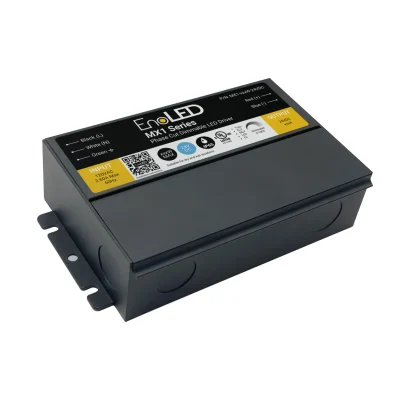
MX2 - Multi Output, Class 2, Phase Cut Dimmable Series
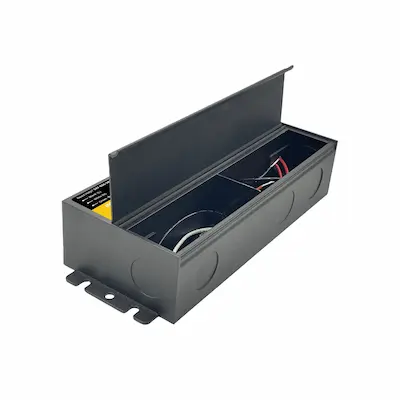
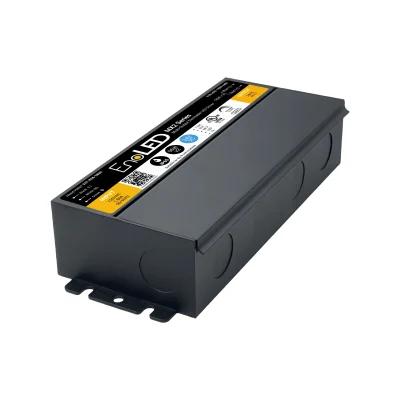
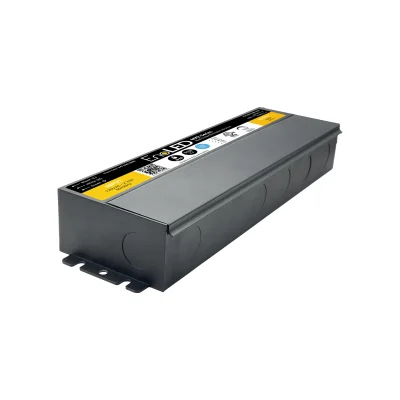
MRD - Phase Cut Dimmable Series
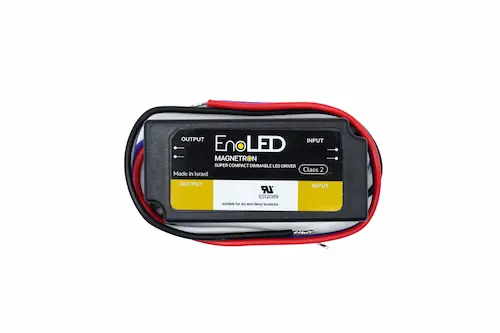

ProDrive Series - Low Profile 5-in-1 Dimmable Series
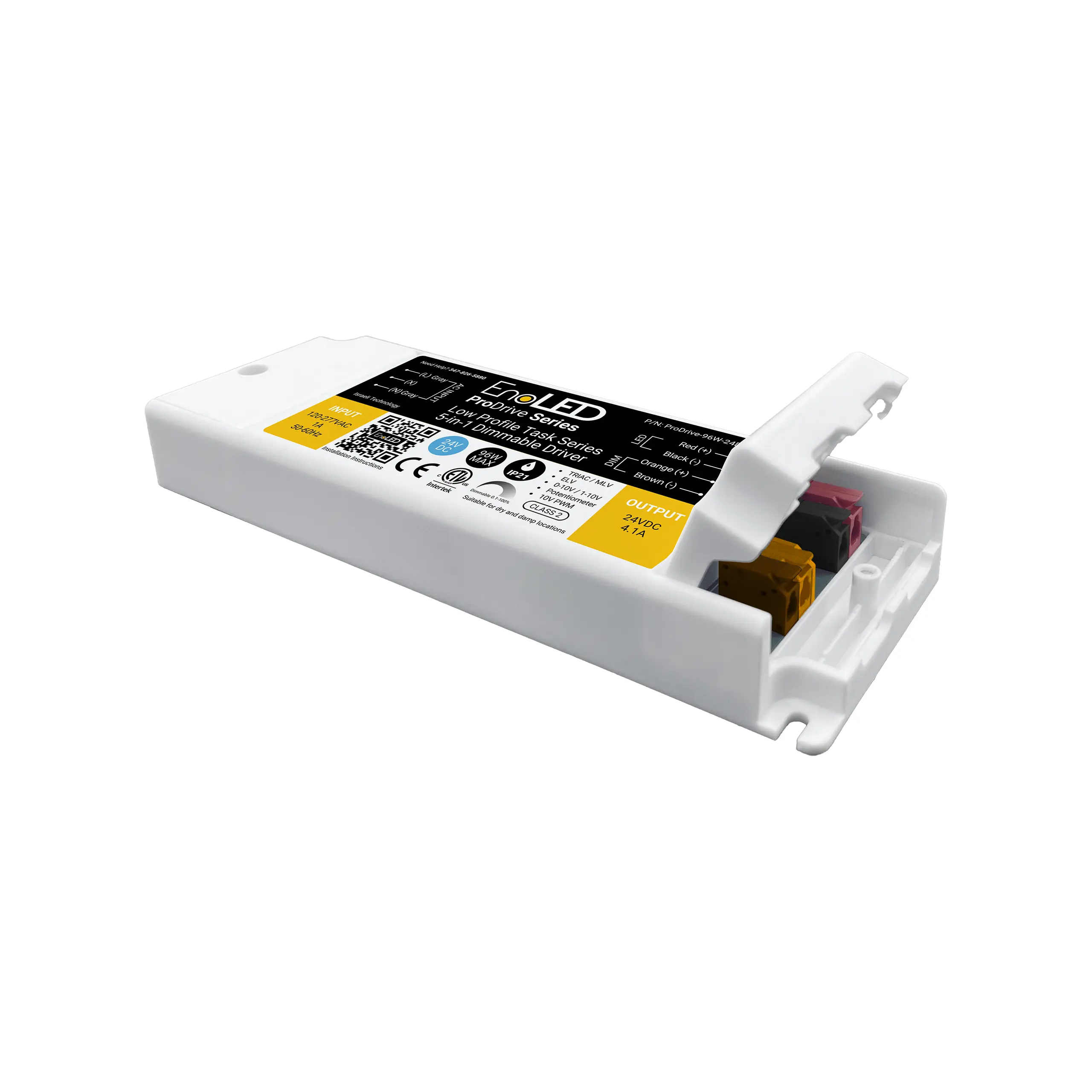
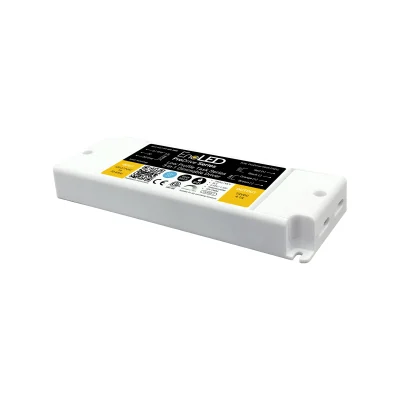
NanoDrive - 0-10V Dimmable Series
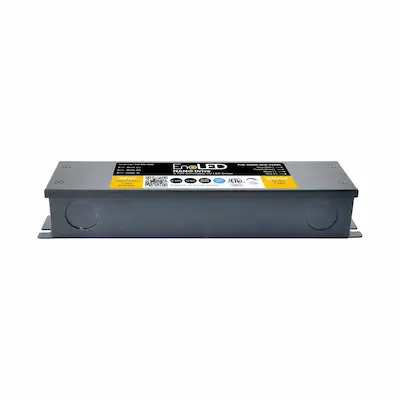
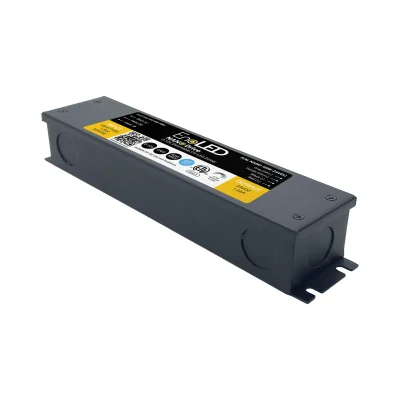
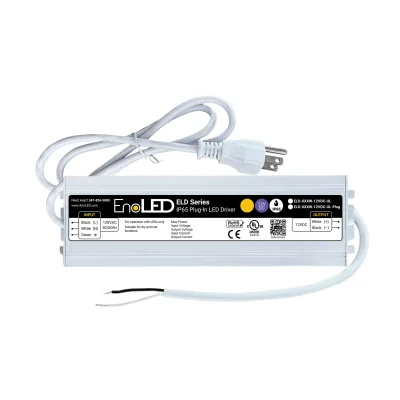
ELD - IP65 Non-Dim Series
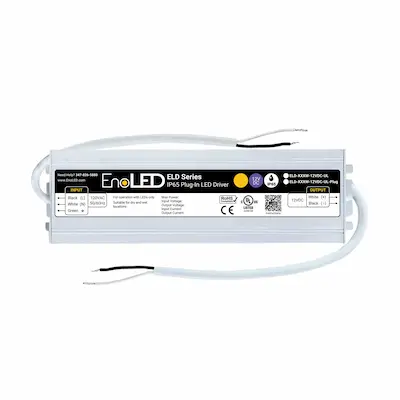
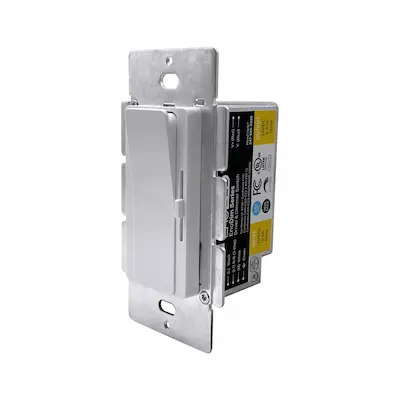
EnoDim - Driver & Dimmer Switch Series
96W LED Driver for LED Strip: Complete Selection and Installation Guide
LED strip lighting has become one of the most popular and versatile lighting solutions available, transforming spaces with customizable illumination that’s both energy-efficient and visually stunning. However, every successful LED strip installation depends on a critical component: the LED driver. Understanding how to select and install the right 96W LED driver for LED strip applications ensures your lighting performs optimally, efficiently, and reliably for years to come.
Understanding LED Drivers for LED Strips
A 96W LED driver for LED strip is a power regulation device that converts standard AC mains voltage into the specific DC voltage your LED strips require, with a maximum power output capacity of 96 watts. This capacity represents one of the most practical and commonly used sizes for residential and light commercial LED strip installations.
LED strips cannot connect directly to household electrical systems. While your home operates on high-voltage alternating current (120V or 230V AC), LED strips operate on low-voltage direct current—typically 12V DC or 24V DC. The LED driver bridges this gap by converting AC to DC, stepping down voltage from mains levels, regulating current to ensure consistent brightness, and providing protection against electrical faults.
The 96W power capacity suits most residential and light commercial LED strip applications perfectly. For practical reference, standard-density LED strips consuming 4.8 watts per foot can run approximately 20 feet at maximum driver capacity. However, best practices recommend leaving 20-30% overhead capacity, so you’d typically connect 15-17 feet of strip (72-82 watts) to a 96W driver
Constant Voltage Drivers for LED Strips
LED strips almost universally require constant voltage (CV) drivers rather than constant current drivers. Constant voltage drivers maintain a steady output voltage—12V, 24V, or another specified voltage—regardless of the connected load, as long as that load doesn’t exceed the driver’s maximum wattage capacity.
This constant voltage operation suits LED strips perfectly because strips are designed with internal current-limiting resistors for each LED segment. The strip itself regulates current to individual LEDs, while the driver provides stable voltage.
12V vs. 24V LED Strips:
12V LED strips are extremely common, compatible with widespread 12V power supplies, and ideal for shorter runs (typically under 16 feet per power connection). However, they experience voltage drop more quickly than higher voltage systems.
24V LED strips allow longer runs before voltage drop becomes problematic (typically 20-32 feet per power connection), offer slightly higher efficiency, and are better suited for commercial installations or extensive projects.
The voltage rating is absolute—you cannot use a 24V driver with 12V LED strips or vice versa. A 24V driver connected to 12V strips will destroy them instantly. A 12V driver connected to 24V strips simply won’t provide sufficient voltage
Key Specifications for 96W LED Strip Drivers
Input Voltage: Confirm the driver accepts your local electrical voltage. North American residential applications use 120V AC, commercial buildings may use 277V AC, and European installations typically operate at 230V AC. Some drivers offer universal input (100-277V AC).
Output Voltage: The output voltage must exactly match your LED strips. If you have 12V LED strips, you need a 12V output driver. If you have 24V LED strips, you need a 24V output driver.
Maximum Output Current: For a 96W driver, maximum output current depends on voltage:
- At 12V output: 8 amps maximum (96W ÷ 12V = 8A)
- At 24V output: 4 amps maximum (96W ÷ 24V = 4A)
Understanding output current helps with proper wire sizing.
Efficiency Rating: Quality 96W LED drivers achieve 85-92% efficiency. Higher efficiency means lower operating costs and less heat generation. Premium drivers from manufacturers like Mean Well, Magnitude, or Philips Advance achieve the highest efficiencies.
Dimming Capability: Decide whether you need dimming functionality. Non-dimmable drivers operate at fixed output only and cost less ($25-50 typically). Dimmable drivers accept dimming signals and adjust output while maintaining stable current, but cost more ($40-90 typically).
If you want dimming, verify the driver supports the appropriate dimming protocol: phase-cut (TRIAC) for standard wall dimmers, 0-10V for commercial lighting controls, or PWM for digital control systems.
IP Rating: Choose appropriate environmental protection:
- IP20 (non-waterproof): Dry indoor locations only
- IP65 (splash-resistant): Bathrooms, kitchens, covered outdoor areas
- IP67 (waterproof): Outdoor installations, wet locations
- IP68 (submersible): Swimming pools, fountains
Physical Dimensions: A 96W driver typically measures 7-9 inches long, 2-3 inches wide, and 1-1.5 inches tall. Verify it fits in your intended installation location and ensure adequate clearance for ventilation
Installation Best Practices
Always disconnect power at the circuit breaker before beginning electrical work. Use a voltage tester to verify power is truly off. If you’re uncomfortable with electrical work or local codes require licensed electricians, hire a professional.
Install the driver in a location with adequate ventilation. Even efficient drivers generate heat that must dissipate. Avoid enclosed spaces without ventilation, locations near heat sources, areas subject to moisture unless using IP-rated drivers, and spaces difficult to access for maintenance.
Connect the input side first. The driver has clearly marked terminals for Line (hot), Neutral, and Ground. Follow local electrical codes for wire sizing and connection methods.
The output side provides DC power to your LED strips. Terminals are marked positive (+) and negative (-). Connect positive to positive and negative to negative. While most modern LED strips include reverse polarity protection, reversed connections simply won’t work.
Wire Sizing for LED Strips: Proper wire gauge is critical for low-voltage DC systems. For 12V systems at 96W (8 amps):
- Runs up to 10 feet: 18 AWG minimum
- Runs 10-20 feet: 16 AWG
- Runs 20-30 feet: 14 AWG
For 24V systems at 96W (4 amps), you can typically use one gauge lighter for each distance range.
Power Injection for Long Runs: LED strips have maximum run length specifications before voltage drop causes visible dimming. For 12V strips, this is typically 10-16 feet. For 24V strips, typically 20-32 feet.
For runs exceeding these lengths, implement power injection—connecting power at multiple points along the strip rather than just one end.
Load Calculation: Before connecting LED strips, calculate your total load. Multiply the strip’s watts per foot rating by your total length. This total should not exceed 70-80 watts when using a 96W driver, leaving 20-30% capacity headroom
Selecting Dimmable Drivers for LED Strips
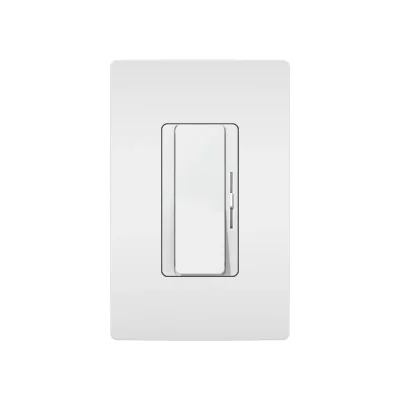
Phase-Cut Dimming: Phase-cut (TRIAC) dimmers are the most common residential option, working with standard two-wire installation. For LED strips, trailing-edge phase-cut dimmers typically perform better than leading-edge, producing less audible buzzing and smoother dimming.
0-10V Dimming: The 0-10V protocol uses separate low-voltage control wiring providing smooth, reliable dimming ideal for commercial applications. It requires running additional control wires but offers superior performance.
PWM Dimming: Pulse width modulation dimming provides precise digital control and excellent color consistency across all brightness levels
Common Issues and Troubleshooting
LED Strips Not Illuminating: Verify the driver receives proper input power, check all wiring connections are correct and secure (especially polarity), confirm the driver hasn’t triggered overcurrent protection, and test driver output voltage.
Dimming at Strip Ends: If the far end appears dimmer than the beginning, you’re experiencing voltage drop. Solutions include using heavier gauge wire, implementing power injection at multiple points, or dividing the installation into multiple shorter runs.
Flickering: Flickering suggests loose connections, incompatibility between dimmer and driver, or driver overload. Verify all connections are tight, check compatibility if using dimmers, and confirm total LED load doesn’t exceed 80% of driver capacity.
Driver Overheating: Excessive heat indicates poor ventilation, overloading, or driver failure. Ensure adequate airflow around the driver and verify LED load stays within specifications
Frequently Asked Questions
What does “96W LED driver for LED strip” mean? It’s an LED driver specifically designed for LED strip lights that can supply up to 96 watts of power, converting AC mains voltage to the DC voltage LED strips require (typically 12V or 24V).
How many feet of LED strip can a 96W driver power? For 4.8W/ft strips, approximately 15-17 feet. For 7.2W/ft strips, about 10-12 feet. For 14.4W/ft strips, approximately 5-7 feet (leaving 20-30% capacity headroom).
Do I need a 12V or 24V driver for my LED strips? You need a driver matching your LED strips’ voltage specification exactly. Check your LED strip product documentation—it will specify 12V or 24V.
Can I use one 96W driver for multiple LED strip sections? Yes, as long as the combined wattage of all strips doesn’t exceed 70-80 watts. Wire multiple strips in parallel and ensure total load stays within capacity limits.
What’s the difference between dimmable and non-dimmable LED drivers? Non-dimmable drivers operate at fixed output only and cost less. Dimmable drivers accept dimming signals and adjust brightness while maintaining stable current, but cost 30-60% more.
How do I prevent voltage drop in long LED strip runs? Use appropriately sized wire, implement power injection at multiple points for runs exceeding 16 feet (12V) or 32 feet (24V), or use 24V strips instead of 12V for longer runs.
Can I install a 96W LED driver myself? If you’re comfortable with basic electrical work and follow safety procedures, yes. However, if uncertain or if local codes require it, hire a licensed electrician.
How long do 96W LED drivers last? Quality drivers typically last 30,000 to 50,000 hours under normal conditions—approximately 10-17 years at typical usage rates
Summary
A 96W LED driver for LED strip provides essential power conversion, transforming AC mains voltage into stable DC power suitable for LED strip operation. The 96W capacity suits most residential and light commercial installations, powering 15-17 feet of standard-density strips.
Selecting the right driver requires verifying output voltage matches your LED strips exactly (12V or 24V), ensuring sufficient wattage capacity with 20-30% headroom, choosing appropriate IP rating, determining whether dimming capability is needed, and confirming input voltage compatibility.
Proper installation with adequate ventilation, correctly sized wiring to prevent voltage drop, secure connections maintaining proper polarity, and appropriate load calculations ensures optimal performance and maximum lifespan
Customer Testimonials