
LED driver replacement
- Home /
- Learning Center /
- LED driver replacement
LED Drivers
XRD - Phase Cut Dimmable Series
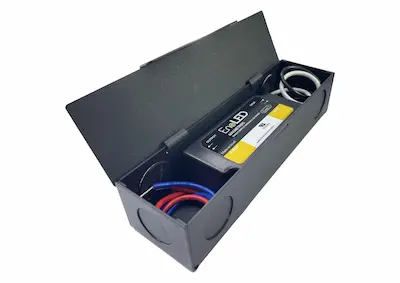
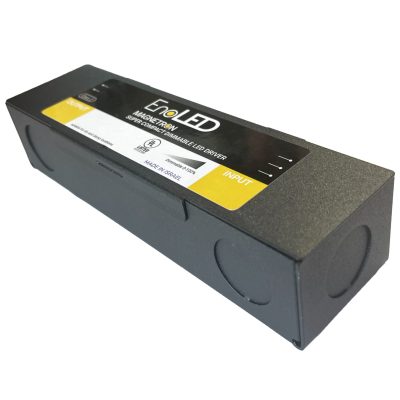
MX1 - High Power, Phase Cut Dimmable Series

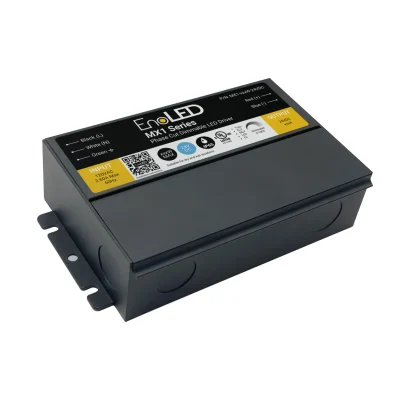
MX2 - Multi Output, Class 2, Phase Cut Dimmable Series
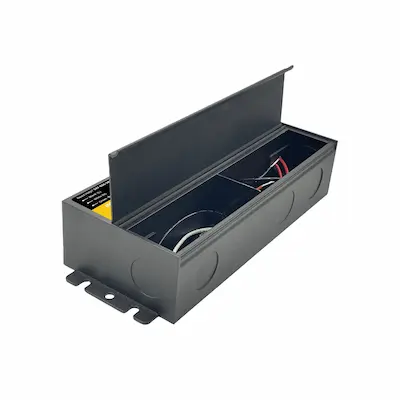
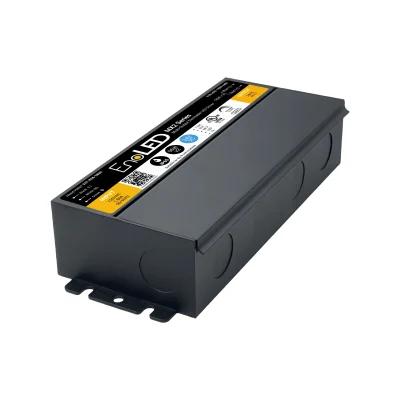
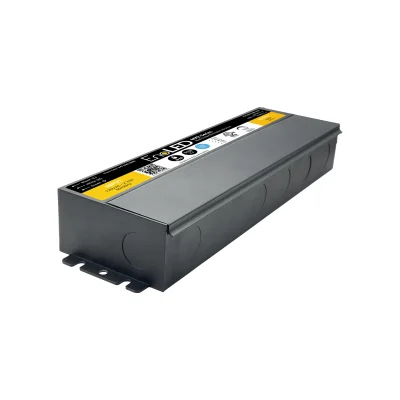
MRD - Phase Cut Dimmable Series
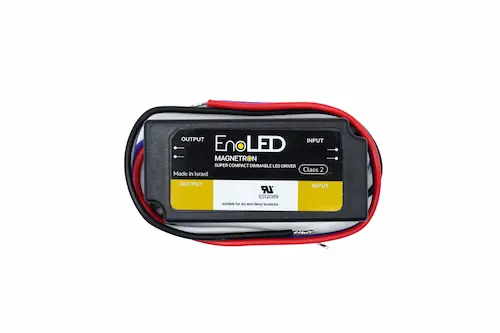

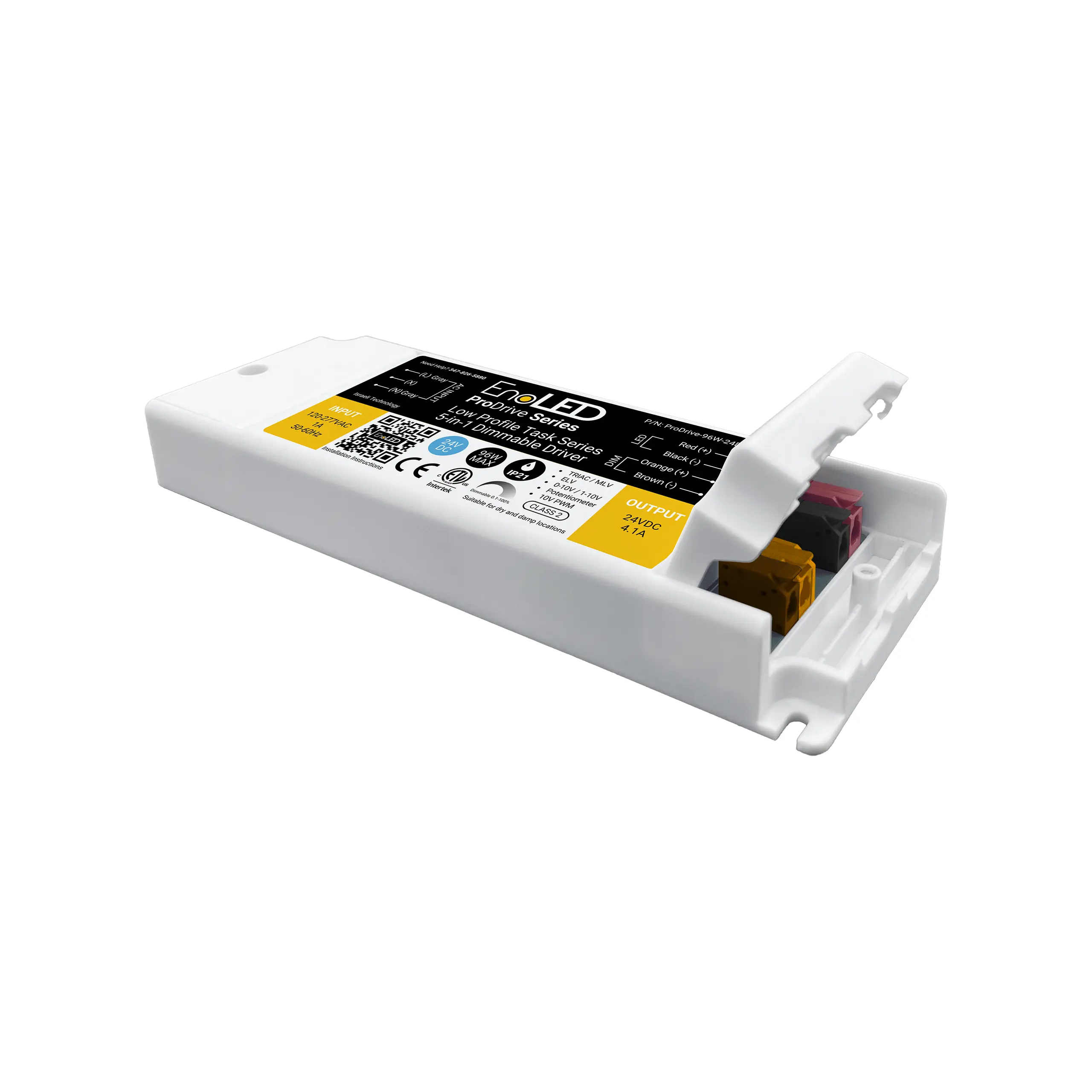
ProDrive Series - Low Profile 5-in-1 Dimmable Series
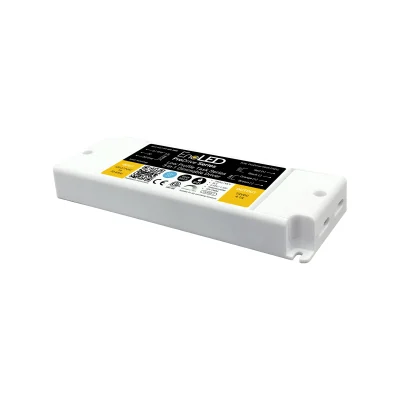
NanoDrive - 0-10V Dimmable Series
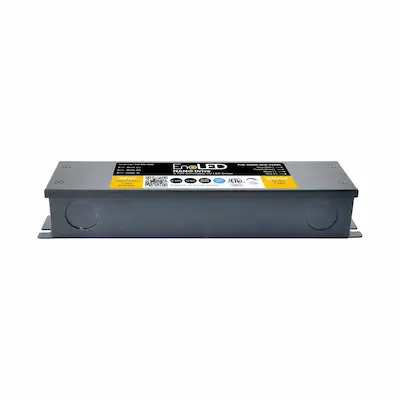
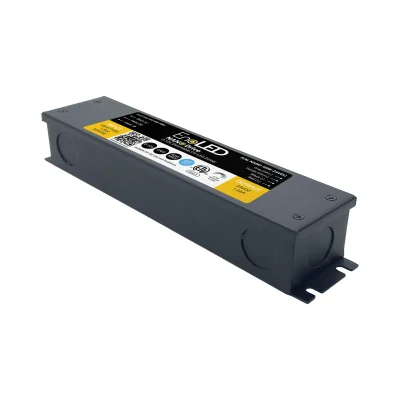
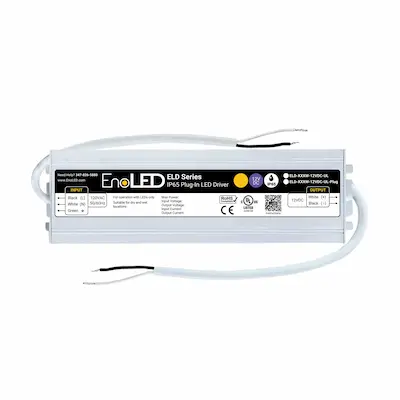
ELD - IP65 Non-Dim Series
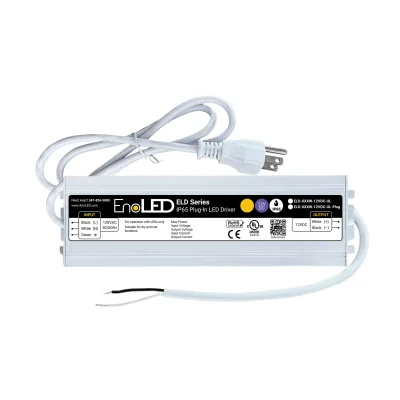
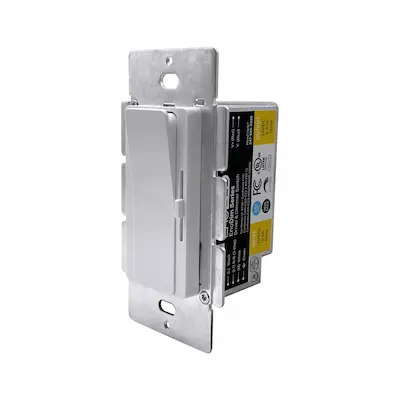
EnoDim - Driver & Dimmer Switch Series
LED Driver Replacement: Complete Guide to Identifying, Selecting, and Installing New Drivers
LED lighting systems are renowned for their exceptional longevity, often lasting 25,000 to 50,000 hours or more. However, many people don’t realize that while the LED chips themselves rarely fail, the LED driver—the power regulation device that converts AC to DC and maintains stable current—has a shorter lifespan and eventually requires replacement. Understanding when and how to replace LED drivers can save you hundreds of dollars by allowing you to repair LED fixtures rather than replacing them entirely.
Understanding LED Driver Failure
LED drivers are electronic devices containing capacitors, transformers, circuit boards, and other components that degrade over time. While quality drivers last 30,000 to 50,000 hours (approximately 10-17 years at typical usage rates), they inevitably fail before the LED chips themselves.
LED chips are solid-state semiconductor devices with minimal moving parts. When properly cooled and operated within specifications, they can theoretically last indefinitely. LED drivers, however, contain electrolytic capacitors that degrade with heat and time, electronic components sensitive to electrical stress, circuits vulnerable to power surges, and mechanical connections that can corrode or loosen.
The good news is that driver failure doesn’t mean replacing entire fixtures. In most cases, you can simply replace the failed driver, restoring your LED lighting to full functionality at a fraction of the cost of new fixtures.
Signs Your LED Driver Needs Replacement
Flickering or Strobing: Constant or intermittent flickering is one of the most common signs of driver failure. If your LED lights flicker continuously, flicker when first turned on then stabilize, or strobe at random intervals, the driver is likely failing.
Complete Failure to Illuminate: If LED lights don’t turn on at all despite power being available, the driver has likely failed completely. Verify that the circuit breaker hasn’t tripped and power reaches the fixture before concluding the driver has failed.
Dimming or Reduced Brightness: If LED lights gradually become dimmer over weeks or months despite stable input voltage, the driver may be failing. Healthy drivers maintain consistent output throughout their lifespan.
Buzzing or Humming Sounds: Audible buzzing, humming, or vibrating sounds coming from the fixture indicate failing components. Electrolytic capacitors, transformers, and other components may produce noise as they degrade.
Erratic Behavior: Lights that turn on and off randomly, respond inconsistently to switches, vary in brightness unpredictably, or exhibit other erratic behavior likely have failing drivers.
Physical Damage or Overheating: If you notice burn marks, bulging or leaking capacitors, cracked circuit boards, or melted components, replacement is necessary. Excessive heat during operation also indicates problems.
Identifying Your LED Driver Specifications
Before purchasing a replacement driver, you must identify the exact specifications your LEDs require.
Locating Driver Information: Check the existing driver’s label for specifications including input voltage (120V, 230V, etc.), output voltage (12V, 24V, etc.) or current (350mA, 700mA, etc.), wattage rating, driver type (constant voltage or constant current), and manufacturer and model number.
If the label is illegible or missing, check the LED fixture’s documentation or manufacturer’s website.
Critical Specifications to Match:
Driver Type: Constant voltage (CV) or constant current (CC). This is fundamental—you cannot substitute one for the other.
Output Voltage (for CV drivers): Must match exactly—12V, 24V, 48V, etc. Using incorrect voltage destroys LEDs or prevents operation.
Output Current (for CC drivers): Must match LED requirements—350mA, 700mA, 1000mA, etc.
Wattage Capacity: Must meet or exceed your LED load with 20-30% overhead. If your LEDs consume 80W, use a driver rated for 96-100W minimum.
Input Voltage: Must match your electrical system—120V AC for North American residential, 277V AC for commercial, 230V AC for European/international.
Dimming Capability: If your system uses dimmers, the replacement must support the same dimming protocol (phase-cut, 0-10V, PWM, etc.).
Physical Dimensions: The replacement must fit in the available space.
IP Rating: For outdoor or wet locations, match or exceed the original IP rating.
Where to Purchase Replacement LED Drivers
Original Equipment Manufacturers (OEM): Contact the fixture manufacturer for exact replacement drivers. OEM drivers guarantee compatibility but often cost more and may have longer lead times.
Universal LED Driver Suppliers: Many manufacturers produce universal drivers compatible with various LED products. Reputable brands include Mean Well, Magnitude Lighting, Philips Advance, and Inventronics. These universal drivers often cost less than OEM options while providing excellent quality.
Online Retailers: Amazon, eBay, specialty LED suppliers, and electrical supply houses offer extensive driver selections. Read product specifications carefully and verify return policies.
Local Electrical Supply Stores: Local suppliers can provide immediate availability, expert advice, and easy returns. Bring your existing driver or specifications when visiting.
LED Driver Replacement Process
Safety Precautions: Turn off power at the circuit breaker and verify power is off using a voltage tester at the fixture. If you’re uncomfortable working with electrical systems, hire a licensed electrician.
Step-by-Step Replacement:
- Power Off: Turn off the circuit breaker and verify power is off with a voltage tester.
- Access the Driver: Remove the fixture cover, lens, or access panel to reach the driver. Take photos before disassembling.
- Disconnect the Old Driver: Carefully disconnect the input wiring (from mains power to driver) and output wiring (from driver to LEDs). Note all connections.
- Remove the Old Driver: Unscrew or unclip the driver from its mounting location.
- Install the New Driver: Mount the new driver in the same location. Ensure adequate ventilation around the driver.
- Connect Input Wiring: Connect mains power to the driver’s input terminals following manufacturer instructions—Line, Neutral, and Ground.
- Connect Output Wiring: Connect the driver’s output to the LEDs. For constant voltage systems, maintain proper polarity.
- Secure All Connections: Ensure all wire connections are tight and properly insulated.
- Test Before Reassembly: Restore power and test that the LEDs illuminate properly.
Reassemble the Fixture: Once operation is verified, turn power off again and reassemble the fixture.
When to Repair vs. Replace Entire Fixtures
Replace the Driver When: The fixture is otherwise in excellent condition, the LEDs still produce good light output, the replacement driver costs significantly less than a new fixture ($15-80 for drivers vs. $50-300+ for fixtures), or the fixture is a high-quality unit worth preserving.
Replace the Entire Fixture When: The LEDs have significantly degraded, the fixture has physical damage beyond the driver, replacement drivers are unavailable or prohibitively expensive, or the fixture is outdated and you want to upgrade.
Preventing Premature Driver Failure
Ensure Adequate Ventilation: Heat is the primary enemy of LED drivers. Install drivers with adequate airflow and keep them away from heat sources.
Use Appropriate Capacity: Maintain 20-30% capacity overhead—if your LEDs consume 80W, use a 100-120W driver.
Protect Against Power Surges: Install surge protectors on circuits with LED lighting. Voltage spikes significantly shorten driver lifespan.
Use Quality Drivers: Invest in quality drivers from reputable manufacturers. Premium drivers cost 20-50% more but last significantly longer.
Frequently Asked Questions
How do I know if my LED driver has failed? Common signs include constant flickering, complete failure to illuminate, significantly dimmed output, buzzing or humming sounds, and erratic behavior.
Can I replace an LED driver myself? If you’re comfortable with basic electrical work and follow safety procedures, yes. However, if uncertain or if local codes require it, hire a licensed electrician.
How much does LED driver replacement cost? Replacement drivers cost $15-80 typically. Professional installation adds $50-150 for labor. This is significantly less than replacing entire fixtures at $100-500+.
Where can I buy replacement LED drivers? Purchase from the original fixture manufacturer, universal driver suppliers (Mean Well, Magnitude, Philips), online retailers, or local electrical supply stores.
How long do LED drivers last? Quality LED drivers last 30,000 to 50,000 hours (10-17 years at typical usage rates).
What specifications must I match when replacing a driver? Critical specifications include driver type (constant voltage or current), output voltage or current, wattage capacity, input voltage, dimming capability, and physical dimensions.
Can I upgrade to a different driver type? No, you cannot change from constant voltage to constant current or vice versa. However, you can upgrade capacity, add dimming capability, or improve quality.
What’s the difference between OEM and universal replacement drivers? OEM drivers from the fixture manufacturer guarantee compatibility but cost more. Universal drivers from reputable manufacturers often work perfectly at lower cost.
Summary
LED driver replacement is a practical, economical solution when LED lighting systems fail. While LED chips themselves last 25,000-50,000 hours, drivers typically fail first due to degradation of internal electronic components. Recognizing failure symptoms including flickering, complete failure, dimming, buzzing, and erratic behavior helps diagnose driver problems accurately.
Successful replacement requires identifying critical specifications including driver type, output voltage or current, wattage capacity, input voltage, and dimming capability. These specifications must match your LED requirements exactly.
Replacement drivers are available from original manufacturers, universal driver suppliers, online retailers, and local electrical supply stores. The replacement process involves safely disconnecting the old driver and installing the new one with proper wiring connections.
LED driver replacement typically costs $15-80 for the driver plus $50-150 for professional installation—significantly less than replacing entire fixtures.
Customer Testimonials