
LED drivers
- Home /
- Learning Center /
- LED drivers
LED Drivers
XRD - Phase Cut Dimmable Series
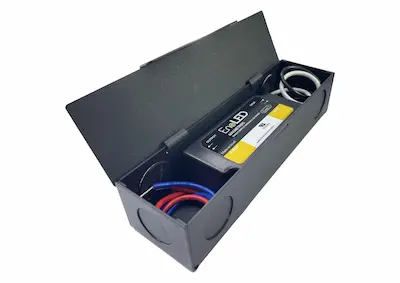
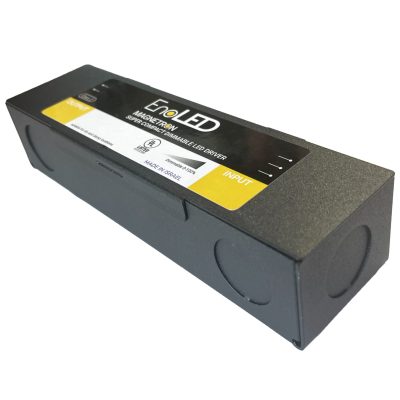
MX1 - High Power, Phase Cut Dimmable Series

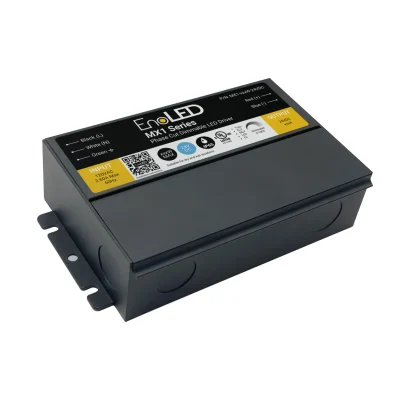
MX2 - Multi Output, Class 2, Phase Cut Dimmable Series
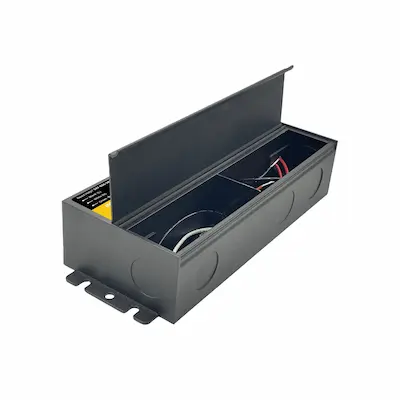
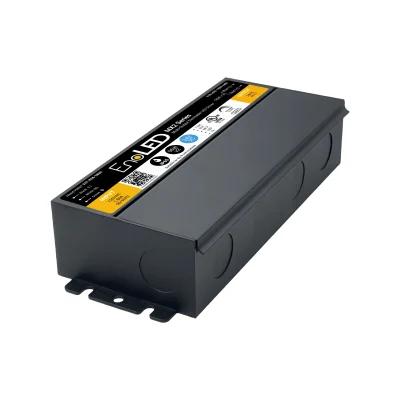
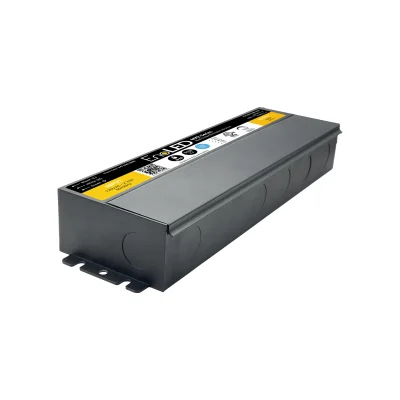
MRD - Phase Cut Dimmable Series
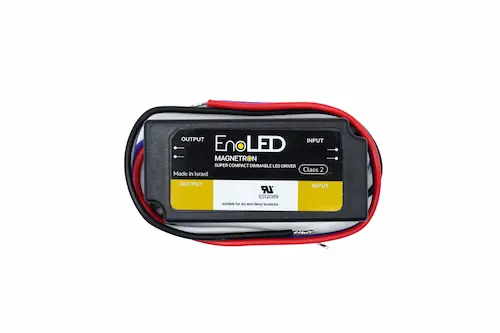

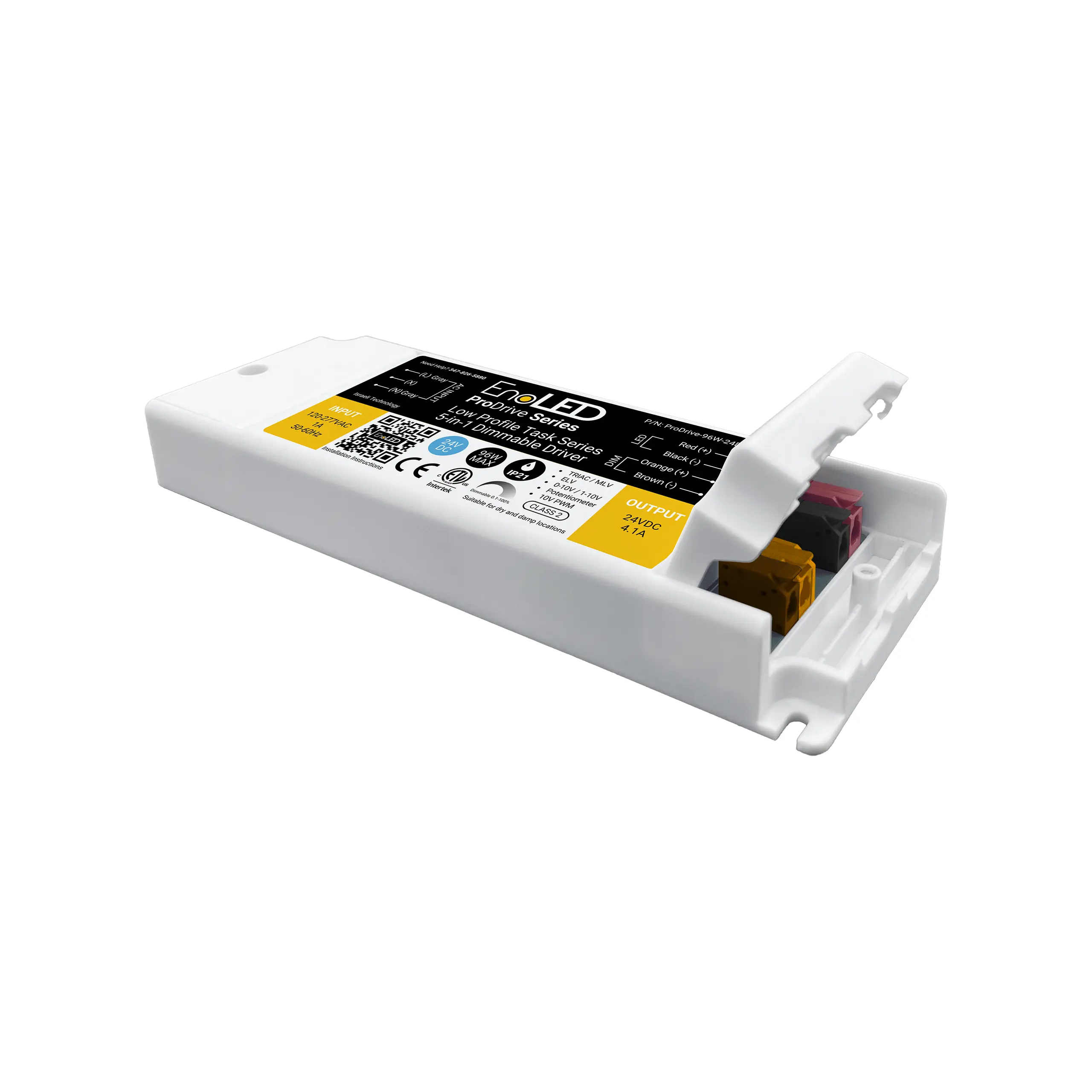
ProDrive Series - Low Profile 5-in-1 Dimmable Series
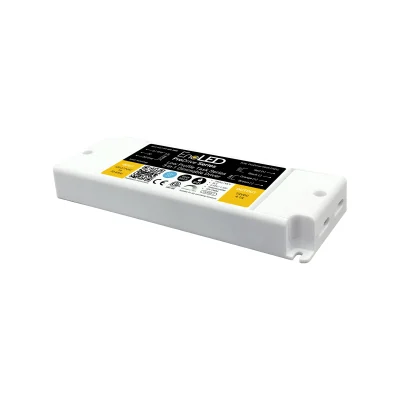
NanoDrive - 0-10V Dimmable Series
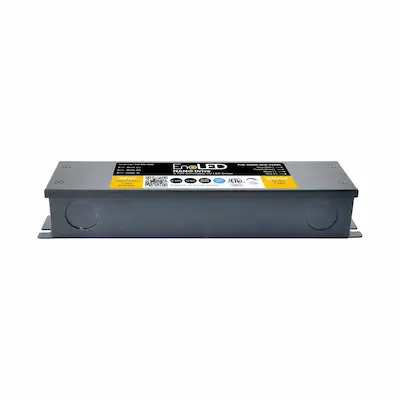
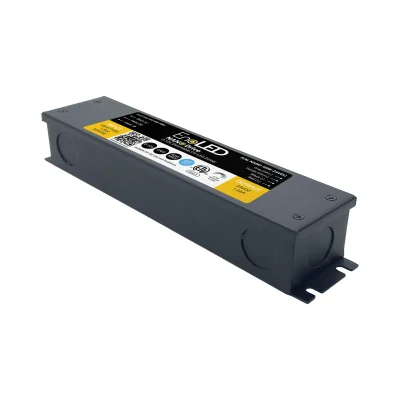
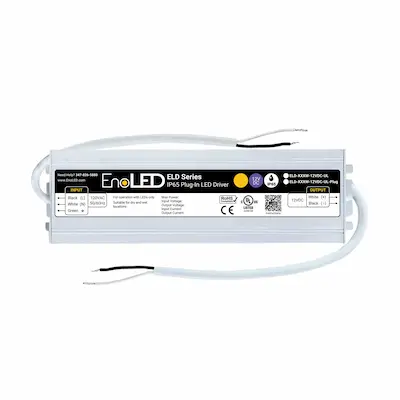
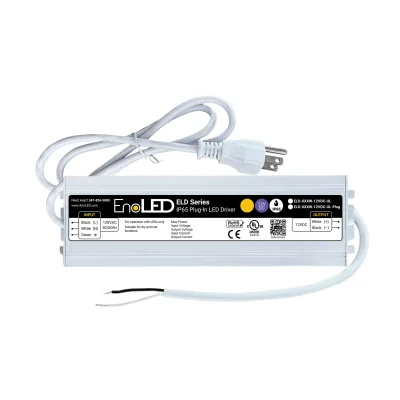
ELD - IP65 Non-Dim Series
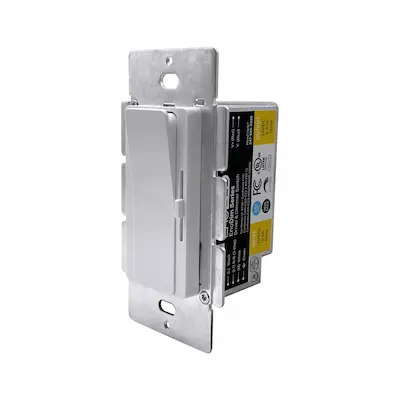
EnoDim - Driver & Dimmer Switch Series
LED Drivers: Technical Guide for Professional Lighting Applications
LED drivers represent one of the most critical yet frequently misunderstood components in modern lighting systems. While LEDs themselves receive considerable attention for their energy efficiency and longevity, the performance, reliability, and lifespan of any LED installation depends fundamentally on the quality and appropriate specification of LED drivers. These essential power regulation devices convert AC mains voltage to the precise DC power LEDs require while protecting them from electrical faults, voltage fluctuations, and thermal stress. For professionals specifying lighting systems—architects, designers, contractors, and facility managers—understanding LED drivers is essential for delivering projects that perform reliably throughout their expected operational lifespan.
Inadequate driver specification or selection remains a primary cause of premature LED system failure, flickering issues, control compatibility problems, and disappointing long-term performance despite quality LED fixtures.
What Are LED Drivers?
LED drivers are specialized power supplies that convert alternating current (AC) from electrical mains into regulated direct current (DC) suitable for LED operation. Unlike simple transformers that merely step voltage up or down, LED drivers actively regulate both voltage and current to maintain stable electrical conditions regardless of input power variations, temperature changes, or component aging.
LEDs are current-driven semiconductor devices extraordinarily sensitive to electrical variations. Excessive current causes rapid LED degradation, color shifting, and premature failure. Insufficient current results in dim output or complete failure to illuminate. LED drivers maintain precise current regulation ensuring consistent performance throughout the rated lifespan.
LED drivers encompass two primary categories based on their regulation approach. Constant current (CC) drivers maintain fixed current output while allowing voltage to vary within specified ranges. These drivers are essential for high-power individual LEDs, LED arrays in fixtures, and applications requiring precise brightness control. The driver delivers exactly the current specified by LED manufacturers—350mA, 700mA, 1000mA, or other values—regardless of minor LED variations.
Constant voltage (CV) drivers maintain steady voltage output while current varies based on connected load. These are the most common type for LED strip lights, architectural linear systems, signage, and general residential applications. Constant voltage drivers provide stable voltage while LED strips contain current-limiting resistors regulating current to individual LEDs.
The choice between constant current and constant voltage depends entirely on LED product specifications. LED manufacturers design products for one type or the other, and matching driver type to LED requirements is absolutely critical for proper operation.
Why LED Drivers Matter for Professional Projects
LED driver quality and specification directly impact project success, operational costs, and long-term system performance.
System reliability fundamentally depends on driver performance. Driver failure represents the most common cause of LED system issues in commercial installations. Quality drivers rated for 50,000-100,000 hours operation ensure LED systems achieve their expected 10-20 year operational lifespans. Inferior drivers may fail within months or years, requiring costly replacement and creating operational disruptions.
Energy efficiency in LED systems depends not just on LED efficacy but also driver efficiency. Quality LED drivers achieve 85-95% efficiency, meaning 85-95% of input power converts to usable output. Inferior drivers may exhibit efficiency as low as 70-75%, wasting 25-30% of input power as heat. In large commercial installations, driver efficiency significantly impacts total energy consumption.
Power quality affects electrical infrastructure and other building systems. Quality LED drivers maintain power factor above 0.90 and total harmonic distortion below 20%, minimizing reactive power loading and preventing power quality issues affecting other equipment.
Dimming performance and control integration capabilities depend entirely on driver specifications. Not all LED drivers support dimming, and those that do are designed for specific dimming protocols—phase-cut, 0-10V, PWM, DALI, or DMX. Mismatched drivers and controls cause flickering, limited dimming range, audible noise, or complete failure to dim.
Code compliance and certification requirements increasingly address driver specifications. Energy codes including ASHRAE 90.1 and California Title 24 establish efficiency requirements, power factor minimums, and control capabilities. Utility rebate programs require DLC listing or similar third-party verification.
Thermal performance and longevity directly relate to driver quality. Drivers generate heat during operation, and excessive heat accelerates component degradation. Quality drivers incorporate thermal management features, operate efficiently generating minimal heat, and maintain performance across specified temperature ranges.
Common Applications for LED Drivers
LED drivers serve virtually every LED application though specific driver types and specifications vary based on requirements.
Commercial and architectural lighting applications predominantly use constant current drivers for recessed downlights, track fixtures, and high-bay fixtures. Constant voltage drivers power linear LED systems, under-cabinet lighting, and architectural cove lighting where LED strips require stable voltage.
Industrial and warehouse facilities utilize high-wattage constant current drivers for LED high-bay fixtures. These drivers must withstand elevated ambient temperatures, voltage fluctuations, and demanding operating conditions. Environmental ratings (IP65-IP67) protect drivers in dusty or humid conditions.
Retail environments require LED drivers with exceptional dimming performance and color consistency. Constant current drivers for accent and track lighting must provide smooth dimming from full output to very low levels (1-10%) without flicker or color shift.
Hospitality applications demand LED drivers delivering both operational efficiency and guest experience quality. Guest room lighting requires drivers compatible with energy management systems. Public spaces need sophisticated dimming capabilities enabling atmosphere transitions.
Outdoor and landscape lighting uses constant voltage drivers for LED strips and constant current drivers for fixtures. Environmental protection becomes critical with IP66-IP68 ratings. Surge protection guards against lightning and electrical transients.
Specialty applications including signage, displays, entertainment lighting, and horticultural grow lights employ LED drivers optimized for specific requirements.
Key Technical Specifications for LED Drivers
Selecting appropriate LED drivers requires understanding critical specifications determining compatibility, performance, and reliability.
Output specifications must precisely match LED requirements. For constant current drivers, output current must match LED specifications exactly. For constant voltage drivers, output voltage must match LED voltage precisely—12V, 24V, or other voltages. Wattage capacity must exceed connected LED load by 20-30%.
Input specifications define electrical compatibility. Input voltage range must match available electrical supply—120V AC for North American residential, 277V AC for commercial, 230V AC for European/international, or universal input (100-277V AC) for flexibility.
Efficiency rating indicates how effectively the driver converts input power to usable output. Quality drivers achieve 85-95% efficiency. Higher efficiency means lower operating costs, reduced heat generation, and improved system performance.
Power factor quantifies how effectively the driver uses electrical power. Quality drivers maintain power factor above 0.90 minimizing reactive power and maximizing electrical system efficiency.
Total harmonic distortion (THD) measures current waveform distortion. Quality drivers maintain THD below 20% preventing power quality issues.
Dimming compatibility and protocol support determine control integration capabilities. Phase-cut dimming works with standard residential dimmers. 0-10V dimming provides superior performance for commercial applications. PWM, DALI, and DMX enable advanced control. Always verify compatibility between specific driver and dimmer models.
Protection features ensure safe operation and longevity. Quality drivers include overcurrent protection, overvoltage protection, thermal protection, and short circuit protection.
Environmental ratings indicate protection against dust and moisture. IP20 drivers suit dry indoor locations. IP65 drivers resist water splashes. IP67 and IP68 drivers provide waterproof protection for outdoor or wet locations.
Operating temperature range defines ambient conditions where the driver maintains specifications. Standard drivers operate from -20°C to +50°C. Extended range drivers accommodate -40°C to +70°C or wider.
Lifespan ratings indicate expected operational duration. Quality LED drivers are rated for 50,000-100,000 hours at specified ambient temperatures.
Common Mistakes in LED Driver Selection and Application
Understanding frequent errors enables proactive prevention and superior project outcomes.
Mismatched driver type causes fundamental incompatibility. Using constant voltage drivers with LEDs requiring constant current, or vice versa, results in poor performance or damage. Always verify whether LEDs require constant current or constant voltage regulation.
Inadequate capacity planning from operating drivers at or near maximum rating reduces lifespan and reliability. Drivers should operate at 70-80% of rated capacity. A 100W LED load requires a driver rated for approximately 120-130W.
Ignoring dimmer-driver compatibility leads to frustrating post-installation issues including flickering, limited dimming range, or audible buzzing. Verify compatibility through manufacturer testing data or physical testing before full deployment.
Overlooking thermal considerations results in premature failure or degraded performance. Verify ambient temperature ratings and provide adequate clearance and airflow.
Neglecting long-term serviceability creates maintenance challenges. Specify accessible driver locations enabling straightforward replacement without damaging finished construction.
Insufficient protection against electrical transients in outdoor or exposed locations leads to premature failure. Outdoor installations benefit from drivers with enhanced surge protection.
Selecting LED Drivers for Professional Projects
Systematic evaluation ensures appropriate driver selection meeting project requirements.
Define LED requirements precisely including whether LEDs require constant current or constant voltage, output current or voltage specifications, total wattage with adequate overhead (20-30%), and operating environment and conditions.
Evaluate driver quality indicators including recognized certifications (UL, ETL, CE), efficiency ratings (target 85-95%), power factor (target 0.90+), total harmonic distortion (target <20%), rated lifespan at specified temperatures, and comprehensive protection features.
Assess control requirements based on project needs including dimming protocol (phase-cut, 0-10V, DALI, DMX), dimming range and performance requirements, and integration with building automation systems.
Verify environmental compatibility ensuring adequate temperature range for installation conditions, appropriate IP rating for location, and protection against electrical surges if applicable.
Consider installation and serviceability factors including driver location and accessibility, mounting options and physical dimensions, and availability of replacement drivers ensuring long-term support.
Review warranty and support including warranty duration (minimum 5 years for professional applications), manufacturer technical support availability, and reputation for quality and reliability.
Conclusion
LED drivers represent critical components determining the performance, reliability, and longevity of LED lighting systems in professional applications. While often overlooked in favor of visible fixtures and aesthetic considerations, driver quality and specification directly impact energy efficiency, operational costs, dimming performance, and long-term system reliability.
Success with LED drivers requires understanding the fundamental distinction between constant current and constant voltage types, recognizing the critical importance of driver quality on system performance, verifying dimmer-driver compatibility for projects requiring dimming, accounting for thermal management and environmental conditions, and planning for long-term serviceability.
The systematic approach outlined in this guide enables professionals to specify LED drivers delivering reliable performance throughout extended operational lifespans while avoiding common pitfalls that compromise project outcomes.