
LED driver for 12V
- Home /
- Learning Center /
- LED driver for 12V
LED Drivers
XRD - Phase Cut Dimmable Series
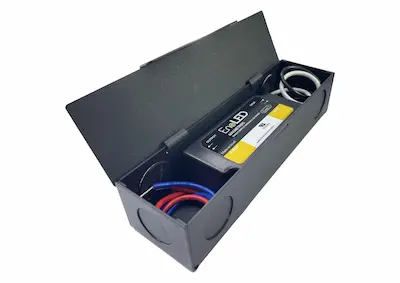
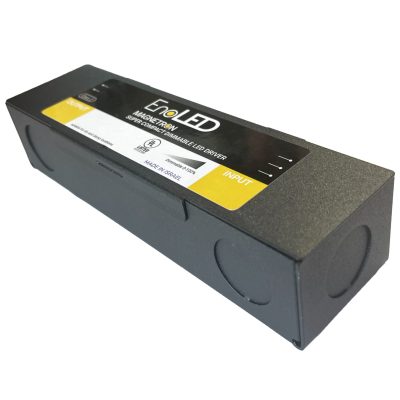
MX1 - High Power, Phase Cut Dimmable Series

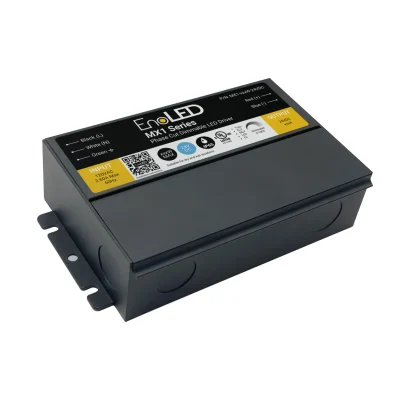
MX2 - Multi Output, Class 2, Phase Cut Dimmable Series
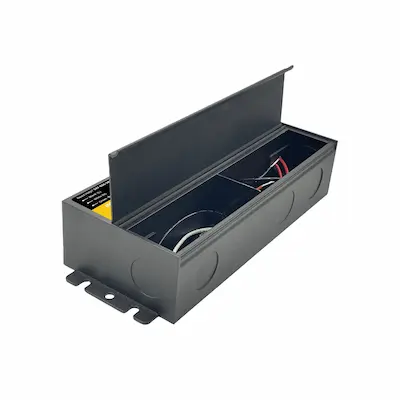
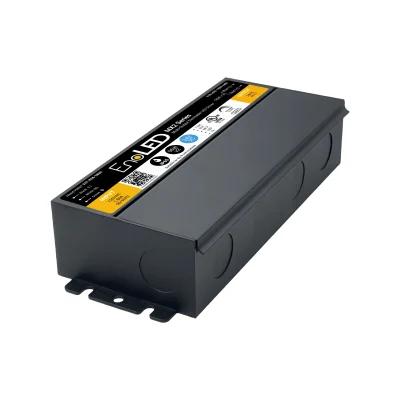
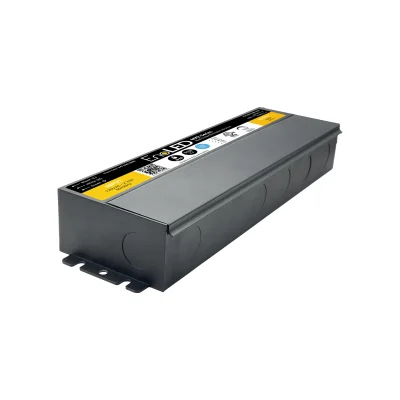
MRD - Phase Cut Dimmable Series
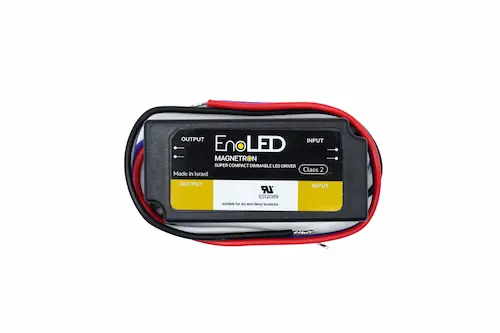

ProDrive Series - Low Profile 5-in-1 Dimmable Series
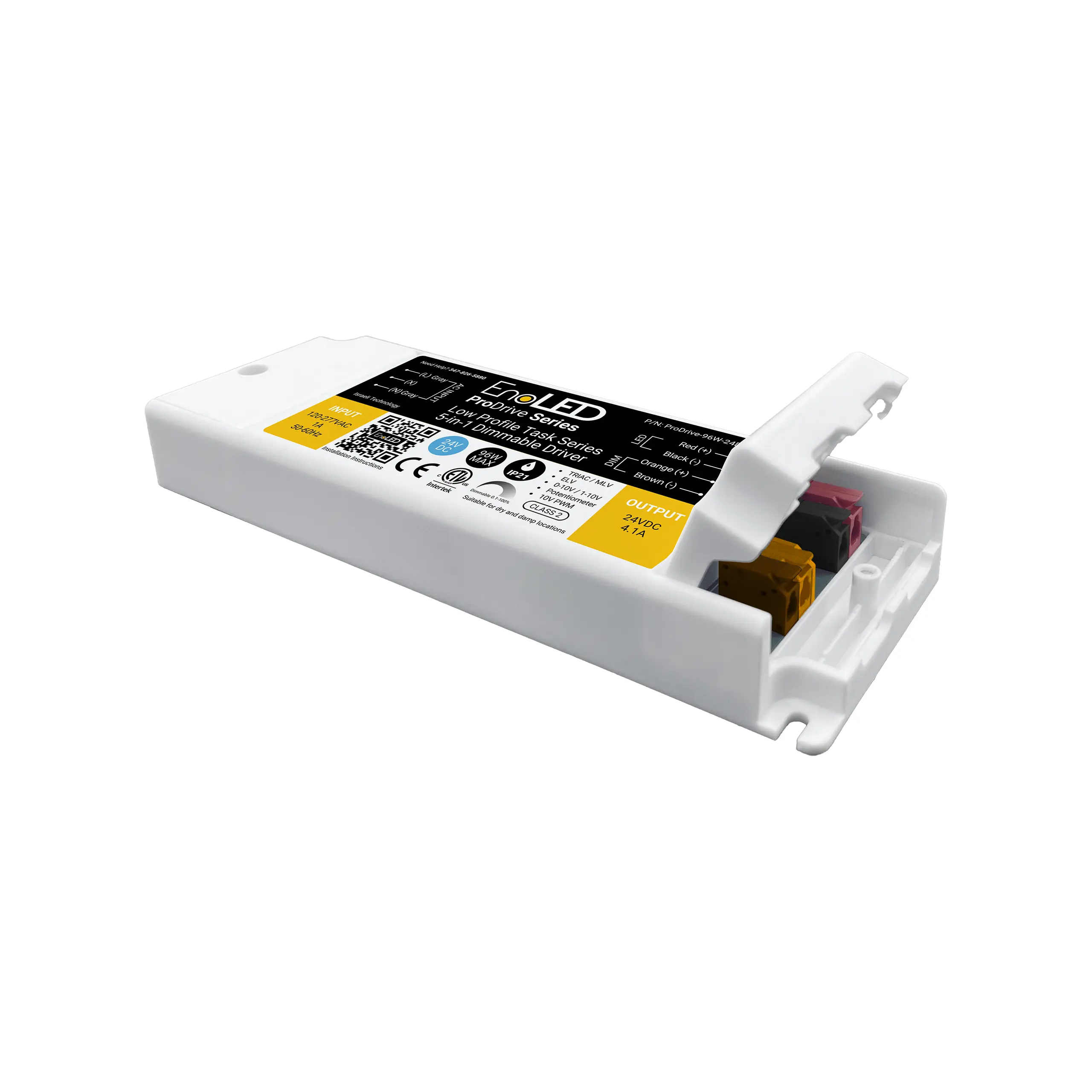
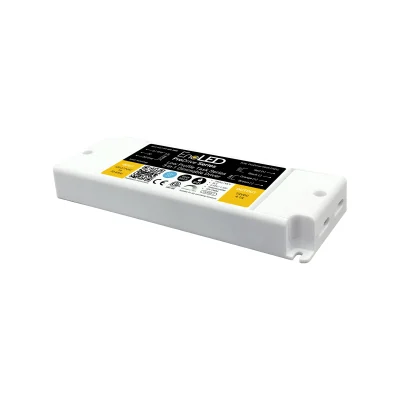
NanoDrive - 0-10V Dimmable Series
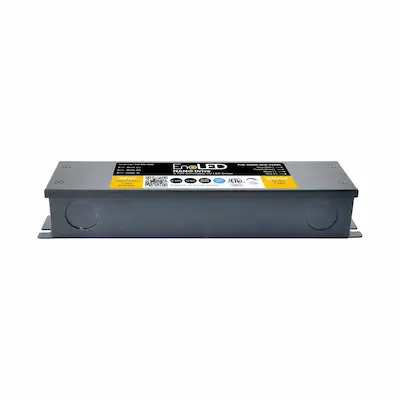
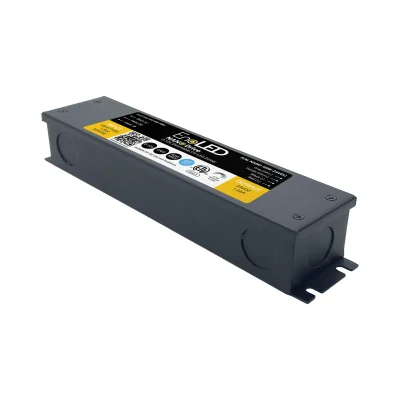
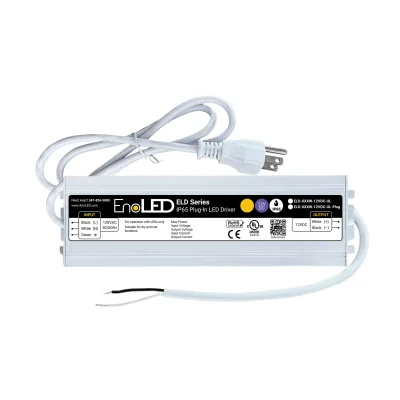
ELD - IP65 Non-Dim Series
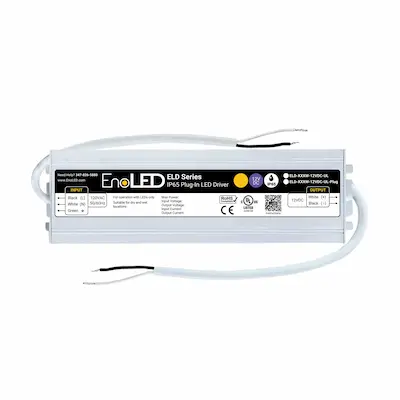
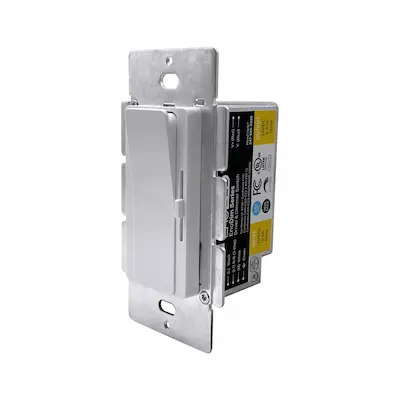
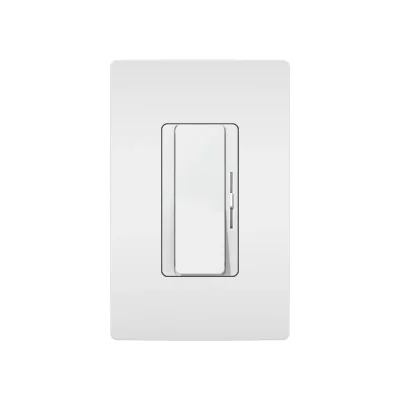
EnoDim - Driver & Dimmer Switch Series
96W LED Driver for 12V: Complete Guide to Selection and Installation
The 96W LED driver for 12V systems represents one of the most versatile and commonly used power solutions in LED lighting installations. Whether you’re planning under-cabinet lighting, accent lighting, automotive applications, or architectural installations, understanding how to select, install, and optimize a 96W 12V LED driver ensures your lighting performs reliably and efficiently. This comprehensive guide covers everything you need to know about these essential components.
Understanding the 96W LED Driver for 12V
A 96W LED driver for 12V is an electrical device that converts standard AC mains voltage into regulated 12V DC power suitable for LED lighting systems, with a maximum power output capacity of 96 watts.
The “96W” indicates the driver’s maximum power capacity—the total wattage it can safely deliver to connected LED lights. This capacity determines how much LED lighting you can connect to a single driver. For LED strip lights, which are measured in watts per foot or watts per meter, a 96W driver can power substantial runs of standard-density strips.
The “12V” specifies the output voltage the driver maintains. This is a constant voltage driver, meaning it provides steady 12V DC output regardless of the connected load, as long as that load doesn’t exceed the driver’s wattage capacity. The 12V specification must match your LED products exactly—using a different voltage will either fail to power the LEDs or damage them.
12V is one of the most common LED system voltages, particularly popular for residential applications, automotive uses, and general-purpose LED strip lighting. The relatively low voltage makes 12V systems safer for DIY installation compared to higher voltages
Why Choose a 96W Capacity Driver?
The 96W capacity offers an ideal balance for many common LED applications, providing sufficient power without being oversized or wasteful.
For standard LED strip lights consuming 4.8 watts per foot, a 96W driver can power up to 20 feet of strip when loaded to maximum capacity. However, best practices recommend leaving 20-30% overhead capacity, so realistically you’d connect approximately 15-16 feet of strip (72-77 watts), ensuring the driver operates efficiently and lasts longer.
For medium-density LED strips consuming 7.2 watts per foot, the same 96W driver supports approximately 10-11 feet of lighting. High-density strips at 14.4 watts per foot would allow about 5-6 feet of coverage from one driver.
This capacity suits most residential under-cabinet installations, accent lighting projects, entertainment center backlighting, automotive interior customization, and small to medium commercial displays
Types of 96W 12V LED Drivers
Dimmable vs. Non-Dimmable:
Non-dimmable drivers operate at fixed output and cannot respond to dimmer controls. These are simpler, less expensive, and perfectly adequate when brightness adjustment isn’t necessary. They typically cost $20-40 depending on quality and features.
Dimmable drivers include additional circuitry allowing them to accept dimming signals and adjust output accordingly. They support various dimming protocols including phase-cut (TRIAC), 0-10V, PWM, or proprietary dimming systems. Dimmable drivers cost $35-80 but provide the flexibility to adjust lighting levels.
Indoor vs. Outdoor (IP Ratings):
IP20 drivers have no moisture protection and are suitable only for dry indoor locations. These are the most affordable and offer the best heat dissipation.
IP65 drivers feature silicone coating or protective housing that resists water splashes and dust. They’re suitable for bathrooms, kitchens, covered outdoor areas, and any location where incidental moisture might occur.
IP67 drivers can withstand temporary submersion up to one meter deep. The fully sealed construction makes them suitable for outdoor installations, wet locations, and areas with regular water exposure.
IP68 drivers offer the highest protection level, capable of continuous submersion. These are designed for swimming pool lighting, fountains, marine applications, and extreme outdoor environments
Key Specifications to Verify
Input Voltage: Confirm the driver accepts your local voltage. North American residential applications use 120V AC, while commercial buildings might use 277V AC. European installations typically operate at 230V AC. Some drivers offer universal input accepting 100-277V AC.
Output Voltage Accuracy: Quality drivers maintain tight voltage regulation, typically ±5% or better. For a 12V driver, output should remain between 11.4V and 12.6V across varying loads.
Output Current: For a 96W driver at 12V output, maximum output current is 8 amps (96W ÷ 12V = 8A). This specification helps when calculating wire gauge requirements.
Efficiency Rating: Efficiency indicates how much input power successfully converts to usable output. Quality drivers achieve 85-92% efficiency for this capacity range. Higher efficiency means lower operating costs and less heat generation.
Protection Features: Modern drivers should include overcurrent protection, overvoltage protection, thermal protection, and short circuit protection. These protective features prevent catastrophic failures and extend both driver and LED lifespan
Installation Best Practices
Safety Precautions: Always disconnect power at the circuit breaker before beginning electrical work. Use a voltage tester to verify power is truly off. If you’re uncomfortable working with mains voltage electrical systems, hire a licensed electrician.
Location Selection: Install the driver in a location with adequate ventilation. Even efficient drivers generate heat that must dissipate. Ensure good airflow around the driver, keeping it away from insulation, heat sources, or enclosed spaces without ventilation.
Input Wiring: Connect the input side first. The driver will have clearly marked terminals for Line (hot wire, typically black), Neutral (typically white), and Ground (green or bare copper). Follow local electrical codes for wire sizing and installation methods.
Output Wiring: The output side provides 12V DC power to your LEDs. Terminals are typically marked with positive (+) and negative (-) symbols. Connect positive to the LED strip’s positive terminal and negative to the LED strip’s negative terminal.
Wire Gauge Selection: Proper wire gauge is critical for 12V systems because the lower voltage means higher current flow for the same wattage. For runs up to 10 feet at full 96W load (8 amps), use 18 AWG wire minimum. For runs 10-20 feet, use 16 AWG wire. For runs 20-30 feet, use 14 AWG wire.
Undersized wire creates resistance that causes voltage drop, reducing LED brightness and potentially creating fire hazards.
Power Injection for Long Runs: 12V systems are more susceptible to voltage drop than higher voltage systems. For LED strip runs exceeding 16 feet, consider using power injection—connecting power at multiple points along the strip rather than just at one end
Load Calculation and Planning
Calculating Your LED Load: Identify the power consumption of your LED products, typically specified in watts per foot, watts per meter, or total watts for complete fixtures. For LED strips, multiply the watts per foot rating by your total length.
Add up all LED products you’re connecting to calculate total load. This total should not exceed 70-80 watts when using a 96W driver, leaving 20-30% capacity headroom. Operating drivers at 70-80% capacity extends lifespan significantly, reduces heat generation, and provides a safety margin
Common Applications
Under-Cabinet Lighting: Kitchen and bathroom under-cabinet lighting is one of the most popular applications. A single 96W driver typically powers all cabinets in a standard kitchen, providing 72-80 watts of LED strip lighting.
Accent and Cove Lighting: Architectural accent lighting highlighting ceiling coves, built-in shelving, or architectural features uses 12V LED strips powered by drivers like the 96W unit.
Entertainment Centers: TV backlighting and entertainment center accent lighting create ambiance and reduce eye strain. A 96W driver powers extensive strips behind TVs and throughout entertainment furniture.
Automotive and RV Applications: Automotive interior customization and RV lighting upgrades frequently use 12V LED systems. The 96W capacity supports substantial interior and exterior accent lighting.
Retail Displays: Commercial display lighting in retail environments, trade show booths, and product showcases uses 12V LED strips with 96W drivers providing bright, attractive illumination
Troubleshooting Common Issues
Dimming or Flickering: If LEDs appear dimmer than expected or flicker, check for voltage drop caused by undersized wiring or excessive run length. Verify all connections are tight and secure. Confirm the total LED load doesn’t exceed the driver’s capacity.
Driver Overheating: Excessive heat indicates poor ventilation, overloading, or driver failure. Ensure adequate airflow around the driver. Verify the LED load doesn’t exceed 80% of driver capacity.
No Output: If LEDs don’t illuminate at all, verify the driver is receiving proper input power. Check that all wiring connections are correct and secure. Test the driver’s output with a multimeter to confirm it’s producing 12V.
Partial LED Function: If only portions of LED strips illuminate, you may have exceeded the maximum run length, causing voltage drop at the far end. Implement power injection at multiple points for long runs
Frequently Asked Questions
What does “96W LED driver for 12V” mean? It’s an LED driver that converts AC mains power to 12V DC and can supply up to 96 watts of power to connected LED lights.
How many feet of LED strip can a 96W driver power? For standard 4.8W/ft strips, approximately 15-16 feet (leaving 20% capacity headroom). For 7.2W/ft strips, about 10-11 feet. For 14.4W/ft strips, approximately 5-6 feet.
Can I use a 96W driver for lower wattage loads? Yes, drivers work perfectly with loads below maximum capacity. Operating at 50-70% capacity actually extends driver lifespan.
What’s the difference between 12V and 24V LED drivers? The output voltage differs—12V drivers power 12V LEDs, while 24V drivers power 24V LEDs. You cannot interchange them.
Do I need a dimmable driver for all installations? No, only if you want brightness control. If your lighting will operate at full brightness only, non-dimmable drivers cost less and work perfectly.
Can I connect multiple LED strips to one driver? Yes, as long as the combined wattage doesn’t exceed the driver’s capacity. Wire multiple strips in parallel. Ensure the total load stays within 70-80% of the driver’s 96W capacity.
What wire gauge should I use for 12V LED installations? For runs up to 10 feet at full load, use minimum 18 AWG. For 10-20 feet, use 16 AWG. For 20-30 feet, use 14 AWG.
How long do 96W 12V LED drivers last? Quality drivers typically last 30,000 to 50,000 hours under normal conditions—approximately 10-17 years at typical usage rates
Summary
A 96W LED driver for 12V systems provides versatile, reliable power for a wide range of LED lighting applications. This capacity suits most residential and light commercial installations, powering substantial runs of LED strip lighting or multiple fixtures while maintaining efficiency and reliability.
Key selection factors include determining whether you need dimming capability, choosing appropriate IP rating for your environment, verifying input voltage compatibility, and ensuring the driver includes essential protection features. Proper installation with adequate ventilation, correctly sized wiring, and appropriate load calculations ensures optimal performance.
Understanding load capacity and maintaining 20-30% overhead prevents overloading and extends driver life. For long runs in 12V systems, proper wire gauge selection and power injection strategies prevent voltage drop and maintain consistent brightness
Customer Testimonials