
LED driver for LED lights
- Home /
- Learning Center /
- LED driver for LED lights
LED Drivers
XRD - Phase Cut Dimmable Series
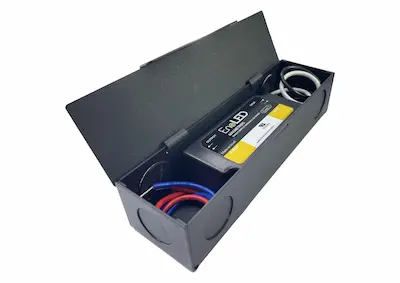
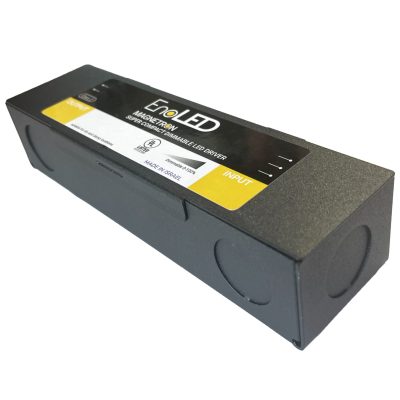
MX1 - High Power, Phase Cut Dimmable Series

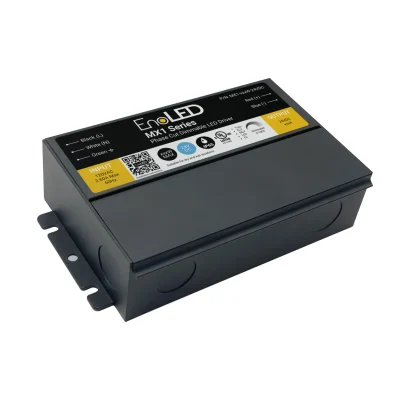
MX2 - Multi Output, Class 2, Phase Cut Dimmable Series
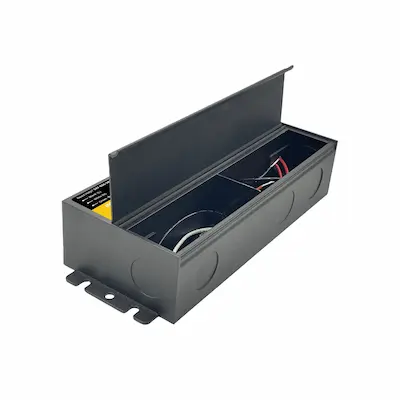
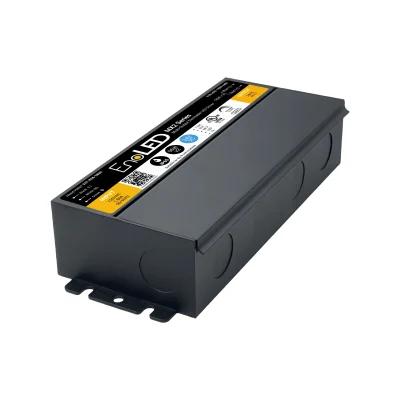
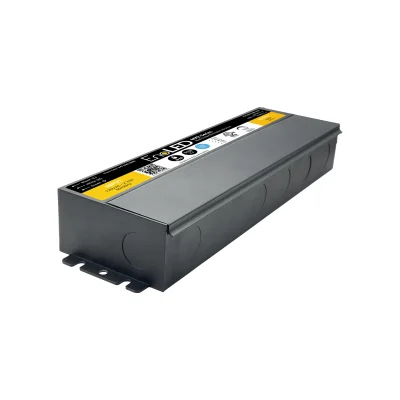
MRD - Phase Cut Dimmable Series
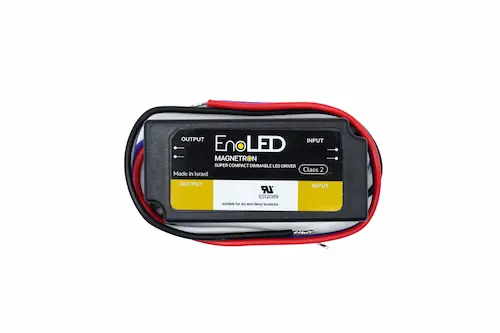

ProDrive Series - Low Profile 5-in-1 Dimmable Series
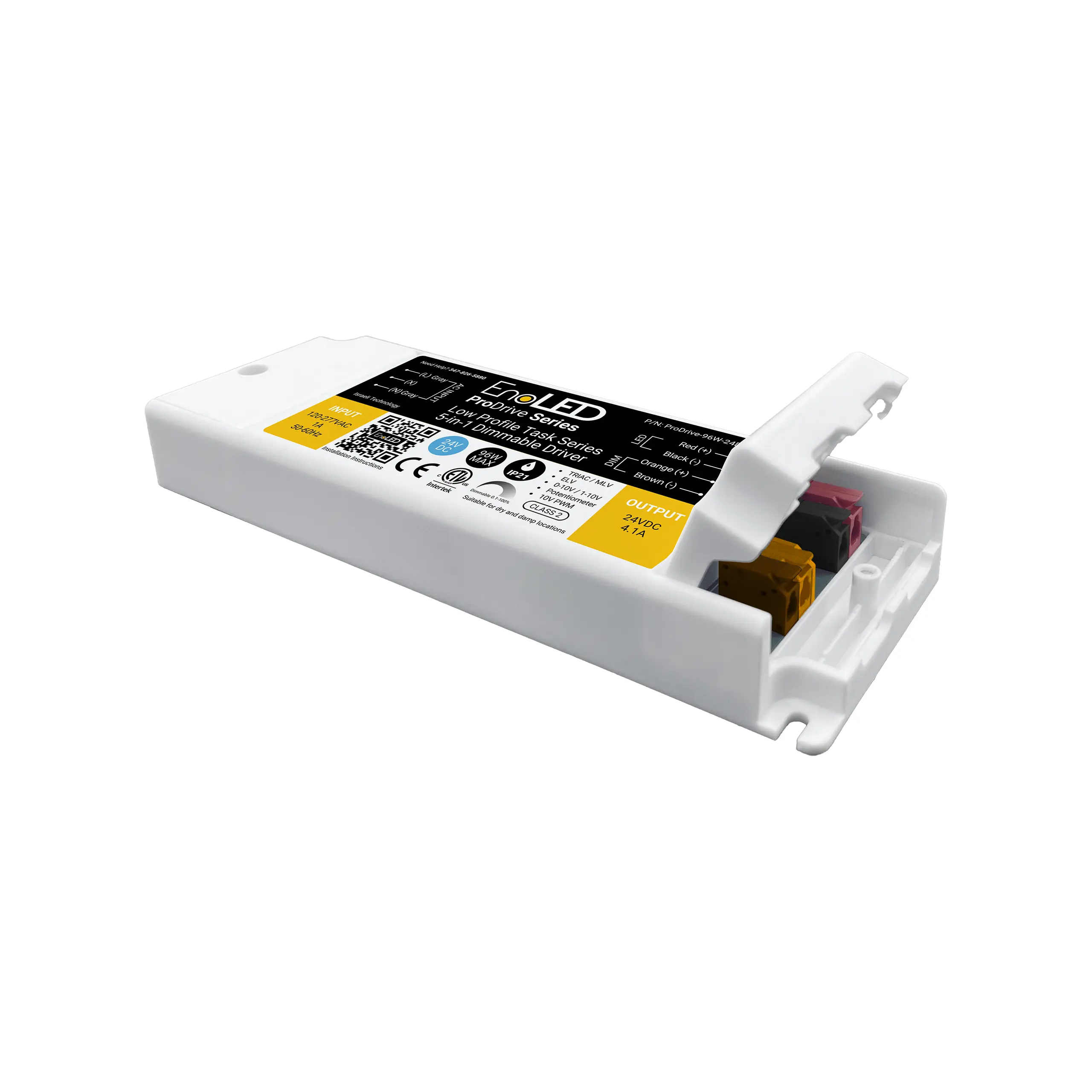
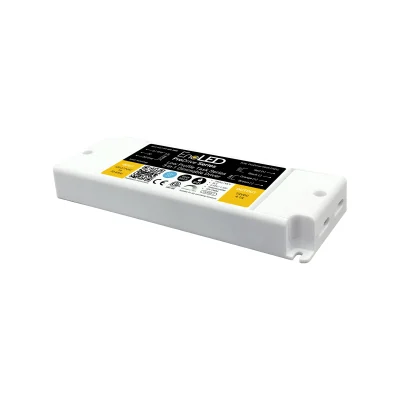
NanoDrive - 0-10V Dimmable Series
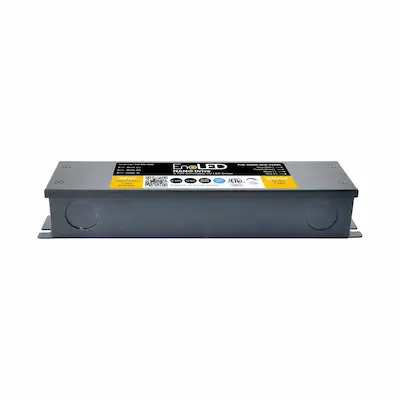
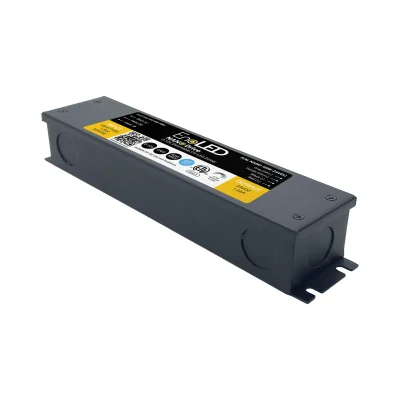
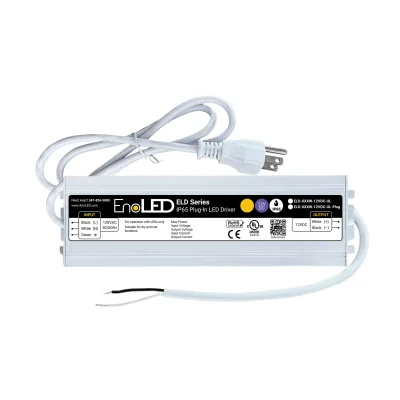
ELD - IP65 Non-Dim Series
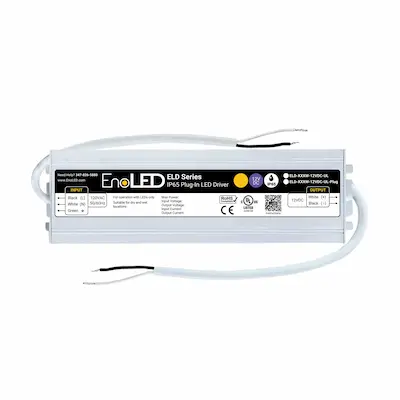
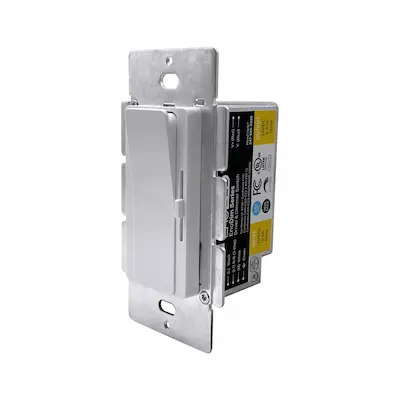
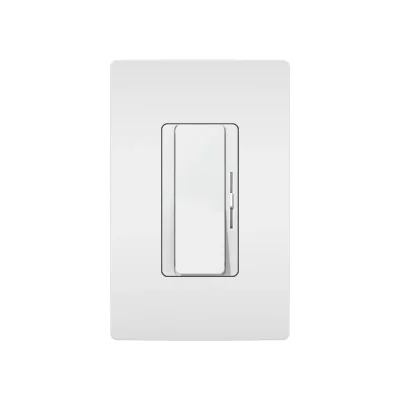
EnoDim - Driver & Dimmer Switch Series
96W LED Driver for LED Lights: Essential Guide to Power and Performance
Selecting the right LED driver is crucial for any LED lighting installation, and the 96W LED driver represents one of the most versatile and commonly used power capacities for both residential and commercial applications. Whether you’re installing under-cabinet lighting, accent strips, architectural illumination, or commercial displays, understanding how 96W LED drivers work and how to choose the right one ensures your LED lights perform optimally, efficiently, and reliably for years to come.
Understanding the 96W LED Driver
A 96W LED driver for LED lights is an electrical device that converts standard AC mains voltage into regulated DC power suitable for LED operation, with a maximum power output capacity of 96 watts. This specification indicates the total amount of power the driver can safely deliver to connected LED lights.
Unlike traditional incandescent bulbs that connect directly to household electrical systems, LED lights require specialized drivers for several critical reasons. LEDs are semiconductor devices that operate on direct current (DC) at specific voltages—typically 12V, 24V, or 48V—while buildings supply alternating current (AC) at much higher voltages like 120V or 230V.
The LED driver performs essential functions including converting AC to DC power, stepping down voltage from mains levels to the low voltage LEDs require, regulating current precisely to prevent LED damage, and providing protection against electrical faults, surges, and short circuits.
The 96W capacity represents a sweet spot for many LED lighting applications. It’s substantial enough to power significant LED installations—typically 15-20 feet of standard LED strip lighting or multiple LED fixtures—while remaining compact, affordable, and easy to install
Types of 96W LED Drivers
Constant Voltage vs. Constant Current:
Constant voltage (CV) drivers maintain a steady output voltage—such as 12V or 24V—while current varies based on the connected load. These are the most common type for LED strip lights, architectural lighting, and general residential applications.
Constant current (CC) drivers maintain a fixed current output while voltage varies within a specified range. These suit high-power individual LEDs, LED arrays in fixtures, and applications requiring precise brightness control.
The distinction is critical—using the wrong driver type causes poor performance or complete failure. Always match the driver type to your LED product specifications.
Dimmable vs. Non-Dimmable:
Non-dimmable 96W drivers operate at fixed output only. They’re simpler and less expensive (typically $25-50).
Dimmable 96W drivers include additional circuitry accepting dimming signals and adjusting output while maintaining stable current. They support various dimming protocols including phase-cut (TRIAC), 0-10V, PWM, and DALI or DMX. Dimmable drivers cost 30-60% more ($40-90) but provide essential flexibility.
Indoor vs. Outdoor (IP Ratings):
IP20 drivers have no moisture protection and suit dry indoor locations only. IP65 drivers resist water splashes and suit bathrooms, kitchens, and covered outdoor areas. IP67 drivers are fully waterproof for outdoor installations. IP68 drivers are designed for continuous submersion.
Choose the minimum IP rating your environment requires—higher ratings add cost and bulk unnecessarily
Key Specifications to Verify
Input Voltage: The driver must accept your local electrical voltage. North American residential applications use 120V AC, commercial buildings often use 277V AC, and European installations typically operate at 230V AC. Some drivers offer universal input (100-277V AC).
Output Voltage: For constant voltage drivers, the output voltage must exactly match your LED lights’ requirements. If you have 12V LED strips, you need a 12V driver. If you have 24V LED lights, you need a 24V driver. Mismatched voltage either prevents operation or destroys the LEDs instantly.
Output Current: For a 96W constant voltage driver at 12V output, maximum current is 8 amps (96W ÷ 12V = 8A). For 24V output, maximum current is 4 amps (96W ÷ 24V = 4A). Understanding output current helps with wire sizing.
Efficiency Rating: Quality 96W drivers achieve 85-92% efficiency. Higher efficiency means lower operating costs, less heat generation, and better overall system performance. Premium drivers from manufacturers like Mean Well, Philips, or Magnitude achieve the highest efficiencies.
Protection Features: Modern 96W LED drivers should include overcurrent protection, overvoltage protection, thermal protection, and short circuit protection. These features ensure safe operation and prevent catastrophic failures.
Physical Dimensions: A 96W driver typically measures 7-9 inches long, 2-3 inches wide, and 1-1.5 inches tall. Ensure adequate clearance around the driver for ventilation
Installation Best Practices
Always disconnect power at the circuit breaker before beginning electrical work. Use a voltage tester to verify power is truly off. If you’re uncomfortable with electrical work or local codes require it, hire a licensed electrician.
Install the driver in a location with adequate ventilation. Even efficient drivers generate heat that must dissipate. Avoid enclosed spaces without ventilation, locations near heat sources, areas subject to moisture unless using appropriate IP-rated drivers, and spaces difficult to access for maintenance.
Connect the input side first. The driver has clearly marked terminals for Line, Neutral, and Ground. Follow local electrical codes for wire sizing and connection methods.
The output side provides DC power to your LED lights. Terminals are marked with positive (+) and negative (-) symbols. Maintain correct polarity when connecting.
Wire Sizing: Proper wire gauge is critical for low-voltage DC systems. For a 96W driver at 12V output (8 amps): runs up to 10 feet use 18 AWG minimum, runs 10-20 feet use 16 AWG, runs 20-30 feet use 14 AWG.
Load Calculation: Calculate your total load before connecting. This total should not exceed 70-80 watts when using a 96W driver, leaving 20-30% capacity headroom. Operating drivers at 70-80% capacity significantly extends lifespan and reduces heat generation
Matching Drivers to LED Light Types
LED Strip Lights: LED strips almost always use constant voltage drivers. Verify the strip’s voltage and select a matching driver. Calculate total wattage by multiplying watts per foot or meter by total strip length.
LED Bulbs and Fixtures: Many LED bulbs and complete fixtures have internal drivers built in, requiring no external driver. Some professional LED fixtures require external constant current drivers.
Individual High-Power LEDs: High-power individual LEDs typically require constant current drivers. The LED manufacturer specifies the required current.
RGB and Color-Changing LEDs: RGB LED strips need constant voltage drivers with sufficient capacity for all LED channels. RGB strips have higher power consumption than single-color equivalents
Common Issues and Troubleshooting
No Output: If LED lights don’t illuminate, verify the driver receives proper input power, check all wiring connections are correct and secure, confirm the driver hasn’t triggered overcurrent protection, and test the driver’s output voltage with a multimeter.
Dimming or Flickering: This suggests voltage drop from undersized wiring, loose or corroded connections, driver overload, or driver failure. Verify total LED load doesn’t exceed 80% of driver capacity.
Driver Overheating: Excessive heat indicates poor ventilation, overloading, or internal driver failure. Ensure adequate airflow and verify LED load stays within driver ratings.
Premature Failure: Drivers failing before their expected lifespan usually result from inadequate ventilation, continuous operation at maximum capacity, poor-quality manufacturing, or frequent voltage surges
Frequently Asked Questions
What does “96W LED driver for LED lights” mean? It’s an LED driver that can supply up to 96 watts of power to connected LED lights, converting AC mains voltage to the DC voltage LEDs require.
How many LED lights can a 96W driver power? This depends on the individual LED light power consumption. Add up the wattage of all lights—the total should not exceed 70-80 watts.
Do I need a 12V or 24V driver? You need a driver matching your LED lights’ voltage specification exactly. Check your LED product documentation.
Can I use a 96W driver for lower wattage LED lights? Yes, drivers work perfectly with loads below maximum capacity. Operating at 50-70% capacity actually extends driver lifespan.
What’s the difference between dimmable and non-dimmable drivers? Non-dimmable drivers operate at fixed output only. Dimmable drivers accept dimming signals and adjust brightness while maintaining stable current.
How long do 96W LED drivers last? Quality drivers typically last 30,000 to 50,000 hours under normal conditions—approximately 10-17 years at typical usage rates.
Can I install a 96W LED driver myself? If you’re comfortable with basic electrical work and follow safety procedures, yes. However, if uncertain or if local codes require it, hire a licensed electrician.
What happens if I use the wrong driver? Using incorrect voltage destroys LEDs instantly or prevents operation. Using undersized wattage capacity causes dimming, overheating, and premature failure
Summary
A 96W LED driver for LED lights provides essential power conversion and regulation, transforming AC mains voltage into stable DC power suitable for LED operation. The 96W capacity suits most residential and light commercial applications, powering substantial LED strip runs or multiple fixtures efficiently.
Selecting the right driver requires understanding constant voltage versus constant current types, determining whether dimming capability is needed, choosing appropriate IP rating, verifying voltage compatibility, and ensuring sufficient wattage capacity with 20-30% headroom.
Proper installation with adequate ventilation, correctly sized wiring, secure connections, and appropriate load calculations ensures optimal performance and maximum lifespan. Quality drivers from reputable manufacturers provide superior reliability, efficiency, and protection features
Customer Testimonials